Remove Anxiety of Anxiety Hypnosis | Award Winning Anxiety Hypnotherapy Brisbane | Clive Westwood
Remove Anxiety of Anxiety Hypnosis | Award Winning Anxiety Hypnotherapy Brisbane | Clive Westwood
Hypnosis for Fear of Anxiety, Panic About Panic, Anticipatory Anxiety and Anxiety About Anxiety
Sometimes the biggest problem is no longer the original anxiety.
It is the fear of feeling anxious again.
You notice a sensation.
Your mind says:
“What if this turns into anxiety?”
Then:
“What if I panic?”
Then:
“What if I can’t stop it?”
And now the fear of anxiety begins creating more anxiety.
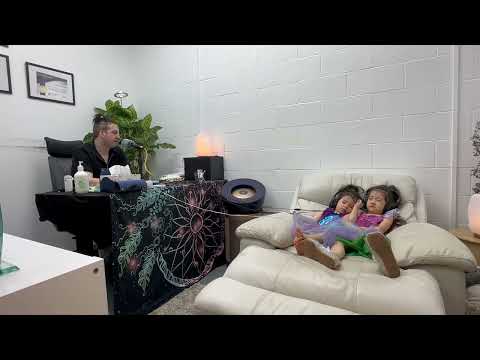
This Remove Anxiety of Anxiety Hypnosis with Clive Westwood is designed as complementary support for people who have become frightened of their own anxiety sensations, panic symptoms, racing thoughts or loss-of-control fears.
[EMBED REMOVE ANXIETY OF ANXIETY HYPNOSIS VIDEO HERE]
The aim is not to guarantee that you will never feel anxious again.
Anxiety is a normal human response.
The aim is to reduce the secondary fear surrounding anxiety so that an uncomfortable sensation does not automatically become:
“Something terrible is about to happen.”
What Is Anxiety About Anxiety?
Anxiety about anxiety means becoming frightened of the anxiety response itself.
You may think:
What if I panic?
What if my heart races?
What if I feel dizzy?
What if I can’t breathe properly?
What if I lose control?
What if people notice?
What if I can’t escape?
What if it happens again?
The thought of anxiety becomes enough to create anxiety.
The Anxiety-of-Anxiety Cycle
The cycle may look like:
Sensation → fear of sensation → more anxiety → stronger sensation → more fear → escape or reassurance → temporary relief
Then the brain learns:
“Those sensations really are dangerous.”
And the next time they appear, fear arrives faster.
Fear of Panic Attacks
You may not fear a specific place.
You fear:
Having a panic attack in that place.
That can create anxiety around:
Driving
shopping
work
meetings
flying
public transport
restaurants
school or university
social events
exercising
being alone
being far from home
The situation becomes linked with the feared internal experience.
Panic About Panic
You feel your heart speed up slightly.
Immediately:
“Here it comes.”
Then you become frightened.
Your breathing changes.
Your body becomes more activated.
And the prediction starts creating the experience you feared.
Anticipatory Anxiety
Sometimes the anxiety begins long before the event.
You have something tomorrow.
Your mind starts tonight.
“What if I’m anxious?”
Then tomorrow morning:
“How do I feel?”
Then before leaving:
“Am I okay?”
The event has not happened yet, but the internal monitoring has already begun.
Anxiety Before Leaving Home
You may feel relatively calm at home.
Then you prepare to leave.
Your body changes.
You notice.
And think:
“There it is again.”
The front door becomes linked with anticipation.
Anxiety About Feeling Anxious in Public
You may worry:
“What if people notice?”
You imagine:
trembling
sweating
blushing
shaking
needing to leave
looking strange
embarrassing yourself
Now anxiety is tied to fear of judgement.
Anxiety About Anxiety at Work
You may worry before:
meetings
presentations
phone calls
speaking to management
difficult conversations
Not necessarily because the task itself is impossible.
Because you fear how anxious you might feel doing it.
Anxiety About Anxiety in Social Situations
You may enter a conversation already asking:
“Do I look nervous?”
Then your attention moves inward.
You monitor:
Your voice.
Your face.
Your hands.
Your breathing.
The more you monitor, the less naturally you engage.
Anxiety About Anxiety While Driving
You may fear:
“What if I panic while driving?”
Then you become hyper-aware of every sensation.
You may avoid:
motorways
bridges
traffic
long journeys
unfamiliar roads
Driving safety always comes first.
Never listen to hypnosis or deep-relaxation recordings while driving.
Anxiety About Anxiety While Flying
You may not only fear flying.
You fear:
“What if I panic and can’t get off?”
Now the lack of escape becomes part of the fear.
Anxiety About Anxiety at Night
You lie down and think:
“What if I can’t sleep because I’m anxious?”
Then you check:
“Am I relaxed yet?”
The attempt to control anxiety becomes arousing.
Fear of Waking Up Anxious
You may wake up and immediately ask:
“How do I feel?”
One small sensation is enough.
Now the day begins with monitoring.
Body Monitoring
You may repeatedly check:
heart rate
breathing
dizziness
stomach sensations
tension
tingling
sweating
head pressure
chest sensations
The more you watch the body, the more sensations you notice.
Fear of a Racing Heart
You notice your heartbeat.
Your mind says:
“This means anxiety is starting.”
Then anxiety increases.
A racing or noticeable heart can have many causes.
New, severe, persistent or concerning cardiac symptoms require appropriate medical assessment rather than assuming they are anxiety.
Fear of Dizziness
You feel slightly light-headed.
Then think:
“What if I faint?”
The fear increases tension and monitoring.
Persistent, severe or unexplained dizziness should be medically assessed.
Fear of Breathing Differently
You notice your breathing.
Now you start controlling it.
Then monitoring it.
Then wondering whether you are doing it correctly.
Sometimes trying to breathe perfectly becomes part of the anxiety cycle.
Fear of Nausea
You feel something in your stomach.
Then:
“What if I’m sick?”
The sensation becomes more threatening because of the meaning attached to it.
Fear of Losing Control
One of the most common fears is:
“What if I lose control?”
You may imagine:
Running away.
Collapsing.
Doing something strange.
Embarrassing yourself.
But an anxious thought is not an instruction.
A feeling of losing control is not the same as actually losing control.
Fear of Going Crazy
Intense anxiety can create frightening thoughts such as:
“What if I’m going crazy?”
Severe or new mental-health symptoms should be properly assessed.
But anxiety itself can produce powerful feelings of unreality, fear and mental overload.
Fear of Depersonalisation or Derealisation
You may feel:
Detached.
Unreal.
Disconnected.
Then become frightened by the sensation itself.
You think:
“What if this doesn’t stop?”
That fear can increase the experience.
Persistent or severe dissociative symptoms should be appropriately assessed.
Fear of Anxiety Returning
You had a good day.
Then think:
“What if it comes back tomorrow?”
Even relief becomes fragile.
You stop enjoying calm because you are watching for its disappearance.
Stop Checking Whether You’re Anxious
You ask:
“How anxious am I right now?”
Again.
And again.
And again.
Each check tells the brain:
“This is important. Keep monitoring.”
Stop Testing Yourself
You may deliberately think of triggering situations to see whether anxiety appears.
“Am I still scared?”
The test itself keeps the fear active.
Stop Demanding Zero Anxiety
You may believe:
“I must feel completely calm before I can do this.”
That creates a trap.
Confidence does not require zero anxiety.
You can act while feeling some discomfort.
Anxiety Is Uncomfortable — Not Automatically Dangerous
Anxiety sensations can feel intense.
That does not mean every anxious sensation represents danger.
At the same time, new, severe, unexplained or medically concerning symptoms should never simply be dismissed as anxiety.
The Second Fear Is Often the Bigger Problem
First response:
“I feel anxious.”
Second response:
“Oh no. I can’t feel anxious.”
That second response adds fear to fear.
What Happens If You Stop Fighting the Feeling?
Instead of:
“Make it stop.”
You may practise:
“I can allow this sensation to rise and fall.”
Not liking it.
Not inviting it.
Just not treating it as an emergency.
Anxiety Can Rise and Fall
Feelings change.
Sensations change.
Thoughts change.
You do not have to trap yourself inside:
“This will never stop.”
Urgency Feeds Anxiety
The command:
“Calm down now.”
contains pressure.
A different approach is:
“I do not need to solve this sensation immediately.”
Let the Body Be the Body
You do not need to supervise:
Every heartbeat.
Every breath.
Every stomach sensation.
Every wave of warmth.
Every twitch.
The body does not require constant mental inspection.
Stop Predicting the Next Panic Attack
Prediction can become rehearsal.
You imagine panic.
Then react to the imagination.
The future event becomes emotionally real before it exists.
Return to What Is Actually Happening
Ask:
“What is happening right now?”
Not:
“What could happen in ten minutes?”
Not:
“What happened last time?”
Right now.
Anxiety Is Not an Identity
You may begin saying:
“I am an anxious person.”
A state becomes an identity.
Try separating:
“I am experiencing anxiety.”
from
“I am anxiety.”
They are not the same thing.
Stop Measuring Every Day by Anxiety
A day can still be good even if anxiety appeared.
You do not have to decide:
“The day was ruined because I felt anxious.”
Fear of Anxiety Creates Avoidance
You may stop doing things because of what you might feel.
The feared feeling begins deciding:
Where you go.
How far you travel.
What you attempt.
Who you see.
Avoidance Creates Short-Term Relief
You cancel.
Anxiety drops.
Your brain learns:
“Cancelling protected me.”
That relief can strengthen future avoidance.
Reassurance Seeking
You ask:
“Do you think I’ll be okay?”
“Is this normal?”
“Do you think I’ll panic?”
Reassurance feels good temporarily.
Then uncertainty returns.
Stop Looking for a 100% Guarantee
The anxious mind asks:
“Promise me it won’t happen.”
Life rarely offers that kind of certainty.
Confidence can develop through:
“Even if I feel anxious, I can respond.”
From “What If I Panic?” to “What If I Can Handle It?”
This is a very different question.
The mind may have spent years rehearsing:
Failure.
You can begin rehearsing:
Coping.
From Control to Confidence
Control says:
“I must stop anxiety appearing.”
Confidence says:
“If anxiety appears, I know it does not automatically control me.”
How Remove Anxiety of Anxiety Hypnosis May Help
Hypnotherapy may support some people by focusing on:
reducing fear of anxiety sensations
reducing fear of panic
reducing anticipatory anxiety
reducing body monitoring
reducing catastrophic thinking
reducing reassurance seeking
reducing avoidance
increasing confidence around sensations
improving present-moment focus
reducing fear of losing control
mentally rehearsing calm, flexible responses
No particular result can be guaranteed.
Hypnosis for Fear of Panic Attacks
The focus may involve changing the interpretation of anxiety sensations.
Instead of:
“Danger.”
You may practise:
“This is uncomfortable, and I can respond.”
Hypnosis for Anticipatory Anxiety
You may mentally rehearse upcoming situations without automatically imagining panic.
Hypnosis for Anxiety Sensations
You may practise noticing sensations without immediately escalating them through catastrophic interpretation.
Hypnosis for Body Hypervigilance
The aim may be to reduce the constant internal scanning that keeps anxiety at the centre of attention.
Hypnosis for Fear of Losing Control
You may rehearse remaining present and allowing anxious sensations to exist without assuming they will make you do something uncontrollable.
Hypnosis for Anxiety Before Leaving Home
You may mentally rehearse:
Getting ready.
Leaving.
Travelling.
Not checking repeatedly.
Allowing the body to settle at its own pace.
Hypnosis for Anxiety While Socialising
The focus may shift from:
“How do I feel?”
towards:
“What is happening around me?”
Hypnosis for Panic on Public Transport
Mental rehearsal may include tolerating the feeling of being temporarily unable to leave immediately without automatically predicting catastrophe.
Hypnosis for Fear of Anxiety at Work
You may rehearse:
Meeting.
Speaking.
Working.
Remaining engaged with the task instead of monitoring every internal sensation.
What Does Hypnosis Feel Like?
Experiences vary.
You may feel:
relaxed
focused
heavy
light
absorbed
less distracted
physically comfortable
Or you may simply feel like yourself listening carefully.
Will I Be Unconscious?
No.
Hypnosis does not require unconsciousness.
You remain aware and responsive.
Will I Lose Control?
No.
You retain choice throughout.
Will Hypnosis Make Anxiety Disappear Forever?
No responsible practitioner should guarantee that you will never feel anxiety again.
The goal is a different response to anxiety, not an impossible promise of permanent emotional perfection.
Personalised Anxiety-of-Anxiety Hypnotherapy Brisbane
A general recording cannot know exactly what you fear about anxiety.
You may fear:
panic attacks
dizziness
racing heart
nausea
fainting
losing control
embarrassment
derealisation
leaving home
driving
flying
social situations
work
being far from safety
Personalised hypnotherapy can focus on your specific anxiety cycle while complementing appropriate psychological, psychiatric or medical care where needed.
Why Choose Clive Westwood for Anxiety Hypnotherapy in Brisbane?
Helping Clients Since 2013
Clive Westwood has been helping clients through hypnotherapy since 2013.
His work includes people seeking support with:
anxiety
panic
overthinking
fear of anxiety
anticipatory anxiety
confidence
stress
fears and phobias
Personalised Sessions
One person fears:
Their heart racing.
Another:
Feeling dizzy.
Another:
Panicking in public.
Another:
Losing control.
Another:
Being unable to escape.
Personalised sessions can focus on the specific fear that keeps the anxiety cycle active.
Non-Shaming Support
Anxiety is not something you need to be embarrassed about.
The focus is on understanding the pattern and changing your response to it.
Face-to-Face Hypnotherapy Brisbane
Face-to-face appointments are available in Brisbane.
Online Hypnotherapy Australia-Wide
Online appointments are also available throughout Australia where appropriate.
Frequently Asked Questions
What Is Anxiety About Anxiety?
It is fear of the anxiety response itself.
You may become frightened of sensations, panic, loss of control, embarrassment or the possibility of anxiety returning.
Can Hypnosis Help Anxiety About Anxiety?
Hypnotherapy may help some people reduce fear surrounding anxiety sensations and change patterns of anticipatory anxiety, monitoring and avoidance.
Can Hypnosis Help Fear of Panic Attacks?
It may support changes in fear of panic and catastrophic interpretation of anxiety sensations.
Can Hypnosis Stop Panic Attacks?
No responsible practitioner should guarantee that hypnosis will permanently stop panic attacks.
Persistent or severe panic symptoms should be appropriately assessed.
Can Hypnosis Help Fear of Losing Control?
It may support reduced catastrophic thinking and greater confidence around anxiety sensations.
Can Hypnosis Help Body Monitoring?
It may support reduced hypervigilance and the habit of repeatedly checking internal sensations.
Can Hypnosis Help Anticipatory Anxiety?
It may support reduced future-focused worry and mental rehearsal of feared outcomes.
Can Hypnosis Help Anxiety Before Leaving Home?
It may support reduced anticipatory anxiety and avoidance for some people.
Can Hypnosis Help Anxiety While Driving?
Hypnotherapy may support the anxiety component.
Never listen to hypnosis while driving.
Can Hypnosis Help Anxiety on Planes or Public Transport?
It may support fear of panic, lack of escape and anticipatory anxiety.
Is Anxiety Dangerous?
Anxiety can feel extremely uncomfortable, but not every anxiety sensation represents danger.
However, new, severe, persistent or unexplained physical or mental-health symptoms should receive appropriate professional assessment.
Should I Ignore Chest Pain Because I Have Anxiety?
No.
Do not assume concerning physical symptoms are anxiety.
New or severe chest pain, fainting, severe shortness of breath or other potentially serious symptoms require urgent medical assessment.
Should I Avoid Everything That Makes Me Anxious?
Avoidance can sometimes strengthen fear over time.
However, exposure should be safe, appropriate and ideally guided by a qualified professional where symptoms are significant.
Do I Need to Feel Calm Before Doing Something?
Not necessarily.
Confidence can include functioning while some anxiety is present.
How Many Hypnotherapy Sessions Will I Need?
Individual needs vary.
No exact number of sessions or outcome can responsibly be guaranteed.
Can I Listen to This Hypnosis While Driving?
No.
Never listen to hypnosis, sleep hypnosis or deep-relaxation meditation while driving, cycling, operating machinery or performing any task requiring your full attention.
Stop Being Frightened of the Feeling
Perhaps anxiety has been frightening you twice.
First:
The sensation.
Then:
Your reaction to the sensation.
You feel something.
Then think:
“This cannot happen.”
But perhaps you do not need to win a battle against every anxious feeling.
Perhaps the shift begins with:
“I can feel this and still remain here.”
“I can notice this without turning it into danger.”
“I can allow this feeling to change at its own pace.”
“I do not need to monitor every second.”
Anxiety may appear.
And you can still:
Think.
Choose.
Speak.
Move.
Wait.
Continue.
You do not need to become fearless of life.
You can become less frightened of anxiety itself.
Listen to Remove Anxiety of Anxiety Hypnosis with Clive Westwood when you are somewhere safe to relax as complementary support for fear of panic, anticipatory anxiety, body monitoring, anxiety sensations and anxiety about anxiety.
For persistent, severe or significantly impairing anxiety or panic symptoms, appropriate psychological, psychiatric or medical support should be considered.
For personalised support, Clive Westwood provides anxiety and panic hypnotherapy in Brisbane, with online appointments also available throughout Australia.
The goal is not to guarantee that anxiety never appears again. The goal is to stop treating every anxious feeling as an emergency.