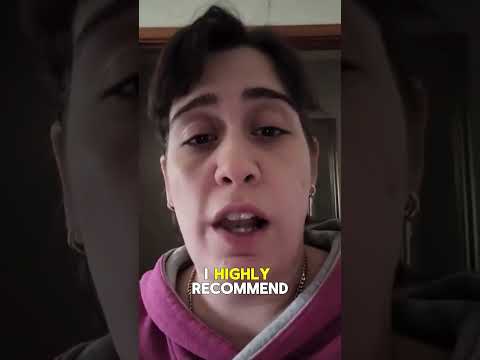
Quit Meth Addiction | Client Testimonial | Award Winning Anxiety Hypnotherapy Brisbane |Clive Westwood
Quit Meth Addiction | Client Testimonial | Award Winning Anxiety Hypnotherapy Brisbane | Clive Westwood
Meth Addiction Hypnotherapy Brisbane — Hear from a Real Client
You tell yourself:
“That's it. I'm done.”
You mean it.
Then:
A craving appears.
A stressful day happens.
Someone contacts you.
You drink.
You feel lonely.
You become bored.
A familiar environment triggers something.
And suddenly:
The Decision You Made When You Felt Strong Becomes Harder to Follow
Methamphetamine use can become connected with:
Cravings.
People.
Places.
Stress.
Social situations.
Sex.
Alcohol.
Sleep disruption.
Boredom.
Emotional escape.
And deeply learned behavioural patterns.
This Quit Meth Addiction | Client Testimonial | Award Winning Anxiety Hypnotherapy Brisbane | Clive Westwood gives you the opportunity to hear directly from a client about their own experience.
[EMBED QUIT METH ADDICTION CLIENT TESTIMONIAL VIDEO HERE]
Listen to the Client's Own Experience
The client's story belongs to:
The Client
Their testimonial should not be turned into a promise that:
Hypnosis cures methamphetamine addiction.
Everybody responds the same way.
One session will permanently stop cravings.
Or hypnotherapy replaces addiction treatment.
Methamphetamine Dependence Can Be Serious
Methamphetamine can be associated with significant:
Physical.
Psychological.
Neurological.
Cardiovascular.
Social.
And behavioural harms.
Hypnotherapy Is Not Medical Detoxification
Where dependence, significant withdrawal concerns, severe mental-health symptoms or other medical risks are present:
Appropriate professional assessment and treatment are important.
What Can Hypnotherapy Focus On?
Hypnotherapy may be explored as complementary support for psychological and behavioural patterns involving:
cravings
habitual triggers
binge cycles
stress-related use
social triggers
alcohol-linked use
environmental cues
emotional triggers
boredom
impulsive decisions
sexual triggers
motivation for change
confidence saying no
relapse prevention
rebuilding routines
“Why Do I Keep Going Back?”
This can be one of the most frustrating questions.
You know:
The consequences.
You remember:
Why you wanted to stop.
Yet Knowledge Alone Does Not Always Stop a Learned Pattern
The Trigger-Craving-Action Cycle
A pattern might begin with:
A person.
A message.
A place.
A feeling.
A thought.
Then the Craving Appears
The mind begins:
Negotiating.
“Just once.”
“Only tonight.”
“I'll stop again tomorrow.”
Cravings Can Feel Like Commands
But a craving is not automatically:
An instruction.
There Can Be Space between Urge and Action
Hypnotherapy for Meth Cravings Brisbane
One possible focus of hypnotherapy is changing how you respond when:
An urge appears.
Rather than immediately moving from:
Trigger.
To craving.
To action.
The Goal May Be Creating a Different Automatic Response
Stress as a Trigger
Perhaps methamphetamine became associated with:
Pressure.
Long hours.
Emotional overload.
Escaping.
Then Stress Begins Triggering the Old Behaviour
Anxiety as a Trigger
Perhaps you use because you want to escape:
Anxiety.
Social discomfort.
Self-consciousness.
Negative thinking.
Then the Temporary Escape Can Become Part of a Larger Problem
Boredom and Meth Use
Sometimes the trigger is:
Nothing happening.
Ordinary life feels:
Flat.
Slow.
Uninteresting.
The Brain Remembers Intensity
Social Triggers
Perhaps particular people are strongly associated with:
Using.
Partying.
Weekends.
Certain locations.
Sometimes Recovery Requires Practical Environmental Changes as Well as Psychological Work
Alcohol and Methamphetamine Triggers
For some people, drinking alcohol may reduce:
Inhibition.
Decision-making.
Commitment to stopping.
If Alcohol Repeatedly Leads Back to Methamphetamine Use, That Relationship Deserves Serious Attention
Weekend Meth Use
You might think:
“I only use on weekends.”
But the relevant question is not simply:
How often?
It Is Also:
What consequences does it create?
Can you reliably choose not to use?
Does it create binges?
Does it affect:
Sleep?
Mood?
Relationships?
Work?
Money?
Health?
Binge Cycles
Perhaps the original intention is:
“Just a little.”
Then:
Hours pass.
Sleep disappears.
The Original Plan Is Gone
Sleep Deprivation
Methamphetamine use can significantly disrupt sleep.
Severe sleep deprivation can affect:
Mood.
Thinking.
Judgement.
Perception.
Paranoia, Severe Agitation or Hallucinations Require Serious Attention
The Comedown
After use, some people may experience:
Fatigue.
Low mood.
Anxiety.
Irritability.
Sleep changes.
Cravings.
The Comedown Can Become Another Vulnerable Point in the Cycle
“I Feel Terrible — So I Want to Use Again”
That can create:
A repeating loop.
Hypnotherapy Does Not Medically Treat a Methamphetamine Comedown
Professional addiction and medical support may be necessary.
Methamphetamine and Anxiety
Methamphetamine can be associated with:
Anxiety.
Agitation.
Suspiciousness.
Panic-like symptoms.
Do Not Automatically Assume Serious Symptoms Are “Just Anxiety”
When Urgent Medical Help Is Needed
Seek urgent medical assistance for serious symptoms such as:
Severe chest pain.
Severe breathing difficulty.
Collapse.
Seizures.
Stroke-like symptoms.
Extreme overheating.
Severe agitation.
Severe confusion.
Hallucinations.
In an Emergency in Australia, Call Triple Zero — 000
Methamphetamine and Paranoia
If you experience:
Paranoia.
Hallucinations.
Severe confusion.
Major changes in behaviour.
Appropriate medical or psychiatric assessment is important
Hypnosis is not treatment for:
Methamphetamine-induced psychosis.
Methamphetamine and Depression
Low mood can occur around:
Use.
Withdrawal.
Comedown.
Life consequences.
Severe Depression or Suicidal Thoughts Require Urgent Support
If there is immediate danger:
Call 000.
For crisis support in Australia:
Lifeline — 13 11 14
Suicide Call Back Service — 1300 659 467
Hypnosis Cannot Make Methamphetamine Safe
There is no hypnotic technique that makes:
Using safer.
Binging safe.
Mixing substances safe.
Drug Supply Can Also Be Unpredictable
The Goal Is Not “Controlled Dangerous Use”
For somebody seeking to quit:
The focus can instead be:
Building Behaviour Consistent with Not Using
Meth Addiction and Identity
You may begin saying:
“This is just who I am.”
But behaviour is not the entirety of:
Your identity.
Change Can Include Building a Life That Is Less Organised around Methamphetamine
“I Don't Want This Anymore”
That decision matters.
But motivation can:
Rise.
Fall.
Change.
Recovery Cannot Depend Only on Feeling Motivated Every Minute
Building a Response for the Difficult Moment
It is easy to say:
“No more.”
When:
There is no meth around.
No craving.
No trigger.
No invitation.
The Important Preparation Is for the Moment When the Old Pattern Returns
Trigger Planning
Ask:
Who?
Where?
When?
What emotion?
What situation?
What thought?
What Usually Happens Immediately before You Use?
Breaking Environmental Associations
Sometimes change may require:
Avoiding particular environments.
Changing routines.
Ending drug-related contacts.
Seeking professional addiction support.
Hypnosis Should Not Replace Practical Relapse-Prevention Strategies
Saying No
Perhaps the hardest moment is:
Someone offering.
Someone messaging.
Someone inviting.
Confidence and Assertiveness Can Become Part of Recovery
Sexual Triggers
For some people, methamphetamine use can become strongly associated with:
Sexual situations.
Pornography.
Dating.
Particular partners.
Those Learned Associations May Need to Be Addressed without Shame
Emotional Triggers
Perhaps you use when feeling:
Rejected.
Lonely.
Angry.
Stressed.
Worthless.
Recovery May Require Developing Other Ways of Responding to Difficult Emotions
Personalised Meth Addiction Hypnotherapy Brisbane
Before hypnosis, it can be useful to understand:
When do you use?
What triggers it?
Who are you usually with?
What happens before the craving?
What Does Your Mind Say When It Begins Negotiating?
The Internal Negotiation
Perhaps:
“Just tonight.”
“I've already messed up.”
“I'll start again Monday.”
These Thoughts Can Become Part of the Pattern
All-or-Nothing Thinking after a Slip
A lapse can produce:
“I've ruined everything.”
Then:
More use.
One Mistake Does Not Have to Become Permission to Continue the Pattern
A lapse can instead signal:
A trigger needs more attention.
Additional support may be needed.
Relapse Risk Should Be Taken Seriously without Turning It into Shame
Hypnosis for Relapse Prevention
Hypnotherapy may support psychological preparation for:
Cravings.
Offers.
Stress.
Social situations.
High-risk environments.
Mental Rehearsal May Be Used Where Appropriate
Rehearsing the New Response
Imagine:
The old trigger appears.
But instead of automatically following it:
You notice it.
Pause.
Remember why you stopped.
Then Act Consistently with Your Decision
Direct Hypnotic Suggestions
Depending on the individual and goal, suggestions may focus on:
A craving can pass without being followed.
You do not have to negotiate with every urge.
You can leave the situation.
You can ask for support.
Your next decision matters.
Why Watch a Quit Meth Client Testimonial?
Because perhaps you are thinking:
“Can somebody really change this pattern?”
A testimonial allows you to hear:
One Client's Personal Experience
But Do Not Turn Their Story into Your Guarantee
Their circumstances may differ from yours.
Their:
History.
Dependence.
Mental health.
Physical health.
Triggers.
Support network.
May All Be Different
Why Choose Clive Westwood Hypnotherapy Brisbane?
Helping Clients Since 2013
Clive Westwood has been helping clients through hypnotherapy since 2013.
His work has included people seeking change involving:
Addictive behaviours.
Anxiety.
Stress.
Confidence.
Habits.
Motivation.
And other emotional and behavioural patterns.
Personalised Approach
Rather than simply saying:
“Stop Using”
The session can explore:
What keeps pulling you back?
Trigger-Focused Hypnotherapy
The relevant pattern may involve:
Stress.
Anxiety.
Social situations.
Alcohol.
Boredom.
Sexual triggers.
Environmental cues.
Understanding Those Associations Can Help Personalise the Approach
Non-Shaming Support
Shame can sound like:
“I'm weak.”
“I've ruined everything.”
“There's something wrong with me.”
Shame Is Not a Relapse-Prevention Strategy
Responsibility matters.
But responsibility and shame are not the same thing.
Hypnotherapy Is Complementary
Where methamphetamine dependence or significant substance-use problems are present, appropriate addiction treatment may include:
Medical care.
Psychological support.
Addiction services.
Peer support.
Social support.
Hypnotherapy Can Sit Alongside Appropriate Professional Care
Face-to-Face Hypnotherapy Brisbane
Face-to-face hypnotherapy appointments are available in Brisbane.
Online Hypnotherapy Australia-Wide
Online appointments are also available throughout Australia where appropriate.
Frequently Asked Questions about Meth Addiction Hypnotherapy
Can Hypnosis Help Me Quit Meth?
Hypnotherapy may support psychological and behavioural aspects of change, such as cravings, triggers, motivation and relapse-prevention responses.
It cannot guarantee that you will quit.
Can Hypnosis Cure Meth Addiction?
No responsible practitioner should guarantee a cure.
Can Hypnosis Detox Meth from My Body?
No.
Hypnosis is not medical detoxification.
Does Hypnotherapy Treat Meth Withdrawal?
No.
Withdrawal and other medical concerns may require appropriate professional care.
Can Hypnosis Stop Meth Cravings?
It may support how some people respond to cravings.
It cannot guarantee that cravings will never occur.
Can Hypnosis Help with Triggers?
Trigger identification and rehearsing alternative responses may form part of a personalised approach.
Can Hypnosis Help Weekend Meth Use?
It may support behavioural change where weekend, social or situational triggers contribute to use.
Can Hypnosis Help Binge Patterns?
It may support behavioural and psychological aspects of breaking a binge cycle, but significant substance-use problems deserve appropriate addiction care.
Can Hypnosis Help If Alcohol Triggers Meth Use?
It may support awareness and behavioural responses around linked triggers.
The role of alcohol may also need to be addressed directly.
Can Hypnosis Help Stress-Related Meth Use?
It may support alternative responses to stress.
Can Hypnosis Help Social Triggers?
It may support confidence and preparation for high-risk social situations.
Practical changes to contacts and environments may also be necessary.
Can Hypnosis Help Sexual Triggers?
It may support changing learned associations and behavioural responses where appropriate.
Can Hypnosis Prevent Relapse?
No method can responsibly guarantee that relapse will never occur.
Hypnotherapy may complement relapse-prevention planning.
What If I Relapse?
Seek appropriate support rather than interpreting a lapse as proof that change is impossible.
If there are immediate medical or psychiatric risks, obtain urgent professional care.
What If I Haven't Slept for a Long Time?
Significant sleep deprivation following stimulant use can become medically and psychologically serious.
Seek professional assessment, particularly if accompanied by paranoia, hallucinations, confusion or severe agitation.
What If I Become Paranoid?
Methamphetamine-related paranoia can be serious.
Seek appropriate medical or psychiatric assessment.
What If I Hallucinate?
Hallucinations associated with methamphetamine use require professional assessment.
If there is immediate danger or severe disturbance, call 000.
What If I Have Chest Pain after Meth?
Severe chest pain or other serious cardiovascular symptoms require urgent medical assessment.
Call 000 in an emergency.
What If I Feel Suicidal during a Comedown?
Seek urgent help.
If you may act on suicidal thoughts or are in immediate danger, call 000.
Lifeline: 13 11 14
Suicide Call Back Service: 1300 659 467
Should I Stop Medication because I'm Having Hypnotherapy?
No.
Do not stop or change prescribed medication without speaking with your doctor or prescriber.
Does Hypnotherapy Replace Addiction Treatment?
No.
Does Hypnotherapy Replace Psychology?
No.
Does Hypnotherapy Replace Medical Care?
No.
How Many Sessions Will I Need?
Individual needs vary.
No exact number of sessions or outcome can responsibly be guaranteed.
Quitting Is More Than Saying “Never Again”
It is learning what to do when:
The message arrives.
The craving appears.
The stress hits.
The opportunity presents itself.
That Is Where the New Behaviour Has to Exist
Your Past Decisions Do Not Have to Make the Next Decision for You
The trigger can be familiar.
The craving can be familiar.
The thought can be familiar.
Your Response Does Not Have to Be the Same
Watch the Quit Meth Addiction Client Testimonial
Listen to:
What the client actually says.
Do not turn their story into:
A guarantee.
Instead, consider your own pattern.
Ask:
“What repeatedly triggers me?”
“Which people or situations are linked with using?”
“What does my mind tell me just before I give in?”
“What support do I need around me to make stopping more sustainable?”
For personalised support, Clive Westwood provides addiction, anxiety, stress, cravings and behavioural-change hypnotherapy in Brisbane, with online appointments also available throughout Australia where appropriate.
Hypnotherapy is not methamphetamine detox and cannot guarantee recovery. But as part of a broader, responsible recovery plan, it may help you work on cravings, triggers, learned associations and the decisions that occur between an urge and what you do next.
four times six five I was addicted to drugs meth mainly for several several years after one session I touched it for over a year which was definitely benefit my life