Hypnosis For Racing Thoughts at Night • Award Winning Anxiety Hypnotherapy Brisbane | Clive Westwood
Hypnosis For Racing Thoughts at Night • Award Winning Anxiety Hypnotherapy Brisbane | Clive Westwood
Hypnosis for Night-Time Overthinking, Bedtime Anxiety, Mental Chatter and Difficulty Switching Off
Your body may be tired.
But your mind is still working.
The lights are off.
The room is quiet.
And suddenly your thoughts get louder.
You replay the day.
Think about tomorrow.
Remember something awkward from years ago.
Plan conversations that have not happened.
Check the time.
Calculate how much sleep is left.
Then think:
“Why can’t I just switch my brain off?”
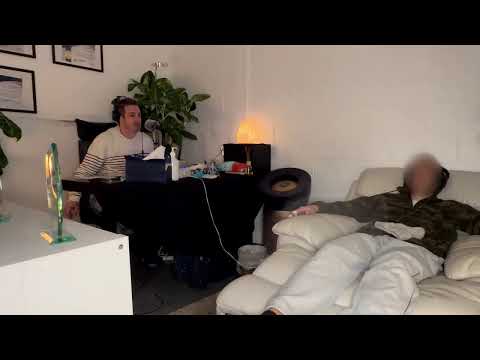
This Hypnosis For Racing Thoughts at Night with Clive Westwood is designed as complementary support for people who struggle with night-time overthinking, mental chatter, worry, rumination and difficulty mentally winding down before sleep.
[EMBED HYPNOSIS FOR RACING THOUGHTS AT NIGHT VIDEO HERE]
The goal is not to force your mind completely blank.
It is to reduce the urgency around thoughts so that bedtime no longer becomes another mental problem-solving session.
Why Racing Thoughts Often Feel Worse at Night
During the day there is distraction.
Work.
People.
Messages.
Noise.
Tasks.
Then night arrives.
And the outside world becomes quieter.
The Mind Finally Gets Your Full Attention
Thoughts that were pushed aside during the day may suddenly appear.
Silence Can Make Mental Noise More Noticeable
That does not necessarily mean something is wrong.
But if the pattern continues, bedtime itself can become associated with thinking.
Bed Becomes the Thinking Place
You lie down.
The mind learns:
“Now we think.”
The More Often It Happens, the More Automatic It Can Feel
Racing Thoughts versus Useful Thinking
Some night-time thinking may be useful.
You remember something important.
You make a note.
Done.
Racing Thoughts Are Different
They repeat.
Jump topics.
Create urgency.
Rarely reach a satisfying conclusion.
Thinking More Does Not Always Produce More Clarity
The Bedtime Overthinking Cycle
You lie down.
A thought appears.
You engage with it.
Another thought follows.
Then another.
You notice you are still awake.
Then a New Thought Appears:
“I need to sleep.”
Now you are thinking about thinking.
And worrying about sleep.
The Mind Becomes More Activated
Trying to Force Sleep
You may tell yourself:
“Go to sleep.”
“Stop thinking.”
“You have to sleep now.”
Sleep Does Not Usually Respond Well to Commands
The harder you chase it, the more awake you may feel.
Aim for Rest Rather Than Performance
Night-Time What-If Thoughts
What if tomorrow goes badly?
What if I make a mistake?
What if something happens?
The Future Gets Mentally Rehearsed before It Arrives
You Do Not Need to Solve Tomorrow Tonight
Planning Tomorrow in Bed
Tasks.
Meetings.
Shopping.
Work.
Appointments.
Your Mind Keeps Saying:
“Don’t forget.”
Write down genuinely important tasks before bed where practical.
Your Brain Does Not Need to Hold the Entire To-Do List Overnight
Replaying Conversations at Night
Something someone said earlier suddenly returns.
You think:
Why did I say that?
What did they mean?
I should have responded differently.
The Conversation Is Over
But internally it continues.
Let Finished Conversations Stay Finished
Night-Time Social Anxiety
Social interactions may be replayed in detail.
Eye contact.
Tone.
Pauses.
Facial expressions.
You Conduct a Performance Review in Bed
Ask:
“Is there anything useful I can do about this now?”
If not:
Let the review finish.
Racing Thoughts about Work
You may physically leave work.
But mentally remain there all night.
Emails.
Deadlines.
Clients.
Meetings.
Create a Mental End to the Workday
You can return tomorrow.
The Problem Does Not Need Your Attention at 11 PM
Business Worry at Night
Bookings.
Money.
Advertising.
Competition.
Bills.
Real business concerns may require practical action
But repeating them in bed rarely creates a better business plan.
Schedule Thinking for Daylight
Racing Thoughts about Money
Financial stress can be very real.
Practical action matters
Budget.
Numbers.
Professional advice.
Night-Time Catastrophising Is Different
The mind may turn uncertainty into disaster.
Separate the Real Problem from the Imagined Ending
Relationship Overthinking at Night
Why haven’t they replied?
Are they upset?
Did I say something wrong?
A Quiet Phone Can Become a Loud Story
Missing information is still missing information.
Do Not Fill Every Gap with Fear
Racing Thoughts about the Past
The past may become especially active at night.
Mistakes.
Regret.
Embarrassment.
The Mind Attempts to Rewrite What Cannot Be Rewritten
Learn what you can.
Then allow the past to remain past.
Embarrassing Memories at Bedtime
Sometimes the brain produces an old awkward moment for no obvious reason.
You Do Not Need to Re-Experience It
Perhaps simply:
“Yes, that happened.”
And back to rest.
Racing Thoughts and Perfectionism
You may mentally review everything that was not completed perfectly.
Perfectionism Keeps the Day Open
Practise saying:
“Today is finished.”
Unfinished Tasks
Your mind may treat incomplete tasks as emergencies.
Externalise Them
Write them down.
Then let them belong to tomorrow.
Clock-Checking
You wake or remain awake.
Look at the clock.
Then calculate:
Six hours left.
Five hours.
Four hours.
Now the Clock Becomes a Threat
Repeated clock-checking can increase sleep pressure.
You Do Not Need to Calculate the Night
Fear of Not Sleeping
The thought may become:
“If I don’t sleep now, tomorrow will be ruined.”
That Prediction Can Create More Arousal
One imperfect night does not need another hour of worry added to it.
Sleep Anxiety
You may begin worrying about sleep before bedtime even arrives.
Bedtime Becomes Something to Fear
Instead of a place to rest.
Reduce the Pressure
The goal tonight does not have to be:
“I must sleep perfectly.”
It can simply be:
“I am allowing myself to rest.”
Racing Thoughts and Anxiety
Anxiety can make the mind scan for:
Problems.
Threats.
Possibilities.
At Night There Is Less External Information to Compete with the scanning
Let the Mind Learn That Night Is Not Emergency Planning Time
Anxiety about Anxiety at Night
You notice the mind speeding up.
Then think:
“Here we go again.”
Fear of the Pattern Strengthens the Pattern
Perhaps instead:
“These are racing thoughts. I do not have to follow them.”
Racing Thoughts and Panic
You notice:
Heartbeat.
Breathing.
Heat.
Dizziness.
Then the mind becomes more alert
Recurring or severe panic deserves appropriate professional assessment and care.
New or concerning physical symptoms should not automatically be assumed to be anxiety.
Racing Thoughts and Health Anxiety
Night can become a time for:
Body checking.
Symptom searching.
Monitoring.
The Quiet Makes Sensations Easier to Notice
Appropriate medical assessment matters for new, severe, persistent or unexplained symptoms.
Once appropriate care has been obtained, repeated checking may continue the anxiety cycle
Racing Thoughts and Intrusive Thoughts
An unwanted thought appears.
Then you think:
Why did I think that?
What does it mean?
The Investigation Keeps the Thought Active
A thought is not automatically:
Intent.
Desire.
Prediction.
Character.
Persistent or compulsive intrusive thoughts deserve appropriate mental-health assessment
If OCD is present, evidence-based OCD treatment should be prioritised.
Hypnosis may be complementary.
Racing Thoughts and ADHD
ADHD can be associated with difficulty settling mental activity for some people.
But Racing Thoughts Alone Do Not Diagnose ADHD
Appropriate assessment is important if symptoms significantly affect daily life.
Racing Thoughts and Mood Changes
Rapid thoughts can occur for many reasons.
Stress.
Anxiety.
Sleep disruption.
Stimulants.
ADHD.
Mood disorders.
Racing Thoughts Are Not a Diagnosis by Themselves
Prompt professional assessment is important if racing thoughts are new or extreme and occur with:
Very little need for sleep.
Unusually elevated or irritable mood.
Marked impulsivity.
Risky behaviour.
Severe agitation.
Confusion.
Hallucinations.
Or major changes in functioning.
Racing Thoughts and Caffeine
Caffeine or other stimulants may contribute to feeling mentally activated.
Consider Timing and Amount
If caffeine appears to worsen sleep or anxiety, adjusting use may be worth discussing with an appropriate healthcare professional.
Racing Thoughts and Alcohol
Alcohol may make some people feel sleepy initially but can complicate sleep patterns.
Do Not Use Alcohol as a Sleep Treatment
If dependence is possible, do not abruptly stop heavy alcohol use without medical advice because withdrawal can be dangerous.
Racing Thoughts and Phone Use
Scrolling in bed can keep attention activated.
Messages.
Videos.
News.
Comments.
The Brain Continues Receiving New Material to Process
Give the Mind Less Input before Sleep
Racing Thoughts and News
Distressing information late at night can become tomorrow’s worry before tomorrow arrives.
You Do Not Need Breaking News in Your Bed
Racing Thoughts and Social Media
You may compare:
Success.
Appearance.
Relationships.
Lifestyle.
Then put the phone down and carry the comparison into sleep
Consider creating separation between scrolling and bedtime.
Racing Thoughts and Problem-Solving
The mind may insist:
“I need to work this out now.”
Ask:
“Can this genuinely be solved tonight?”
If not:
Postpone the thinking.
Schedule a Worry Time
Some people find it useful to set aside a short period earlier in the day to write concerns and possible actions.
Give Worry an Appointment
Instead of letting it take the night.
The Bed Is Not a Boardroom
It is not:
A meeting room.
A therapy room.
A strategy session.
Let Bed Become Associated with Rest Again
Racing Thoughts and Breathing
When anxiety is present, you may start monitoring breathing.
Then try to breathe perfectly.
Breathing Becomes Another Performance
Notice the breath.
But allow your body to breathe naturally.
You Do Not Need to Supervise Every Breath
New or severe breathing difficulties require medical assessment.
Racing Thoughts and Muscle Tension
Your mind may be active while your body is:
Jaw clenched.
Shoulders raised.
Hands tight.
Stomach braced.
Release What You Can
Without forcing.
Soften the Face
You do not need to solve anything with your forehead.
Release the Jaw
Let the teeth separate slightly if comfortable.
Drop the Shoulders
The day does not need to sit on them anymore.
Release the Hands
Nothing needs gripping right now.
Racing Thoughts and the Body
Bring attention away from abstract thought and into simple physical sensation.
The mattress.
The pillow.
The weight of your body.
Let Attention Have Somewhere Else to Go
The Thought Train
A thought appears.
You get on.
It leads to another thought.
Then another.
You Do Not Have to Board Every Train
Watch one leave.
The Conveyor Belt
Thought.
Thought.
Thought.
You Do Not Need to Pick Up Every Item
Let some pass.
The Cinema Screen
A thought may appear like an image on a screen.
You Can Notice the Film without Entering It
Clouds Passing
Thoughts may move like clouds.
Some dark.
Some light.
The Sky Does Not Need to Remove Every Cloud
You Are Not Required to Finish Every Thought
A thought can remain incomplete.
That Is Allowed
Clearing Mental Clutter before Bed
Ask:
What genuinely needs remembering?
Write it down.
What needs solving now?
Perhaps very little.
What can wait?
Most things.
Tomorrow Can Hold Tomorrow
Racing Thoughts and Control
You may believe:
“If I stop thinking, I’ll lose control.”
Rest Is Not Losing Control
You can return to the problem tomorrow with more information and energy.
Letting Go Does Not Mean Ignoring Responsibility
It means recognising when responsibility has already done enough for today.
Racing Thoughts and Uncertainty
The mind wants closure.
But some questions do not have answers tonight.
Practise:
“I don’t know yet.”
Uncertainty Can Exist without Immediate Resolution
Stop Trying to Make Your Mind Silent
The command:
“Stop thinking.”
is still thinking.
Instead:
Notice.
Allow.
Redirect.
A Quiet Mind Does Not Need to Be Empty
The Goal Is Less Engagement
A thought appears.
You do not argue.
Do not analyse.
Do not chase.
Let It Be Unimportant
Night-Time Present-Moment Awareness
Where are you?
Not tomorrow.
Not yesterday.
Here
In a room.
On a bed.
At this moment.
The Present Is Usually Smaller Than the Whole Imagined Future
Hypnosis for Racing Thoughts at Night
Hypnotherapy may support some people with:
racing thoughts at night
bedtime overthinking
night-time anxiety
difficulty switching off
rumination
repetitive thoughts
sleep-related worry
mental chatter
stress
catastrophising
physical tension
fear of not sleeping
present-moment awareness
Individual responses vary.
No specific outcome can be guaranteed.
Hypnosis for Bedtime Overthinking
The focus may include recognising when thinking has stopped being useful and allowing unfinished subjects to wait.
Hypnosis for Night-Time Anxiety
You may practise experiencing bedtime with less urgency and less fear of being awake.
Hypnosis for Mental Chatter before Sleep
The aim may be reducing the importance attached to every internal comment.
Hypnosis for Fear of Not Sleeping
The focus may involve reducing sleep pressure rather than trying to force sleep.
Hypnosis for Rumination at Night
You may practise allowing past conversations and mistakes to remain finished.
Hypnosis for Tomorrow Worry
You may rehearse placing tomorrow mentally outside the bedroom.
Hypnosis for Relaxation
Relaxation-focused hypnosis may support some people in reducing unnecessary physical and mental tension.
What Does Night-Time Hypnosis Feel Like?
Experiences vary.
You may notice:
deeper relaxation
slower mental activity
less urgency around thoughts
reduced physical tension
less interest in analysing
more present-moment awareness
a greater willingness to let thoughts remain unfinished
Or perhaps you simply stop feeling responsible for solving everything before sleep.
Will Hypnosis Stop Racing Thoughts Completely?
No responsible practitioner should guarantee that.
The aim may be to reduce how much attention and urgency you give them.
Can Hypnosis Help Me Switch Off at Night?
It may support relaxation and mental disengagement for some people.
Can Hypnosis Help Bedtime Overthinking?
It may support reduced repetitive thinking and greater ability to postpone problem-solving.
Can Hypnosis Help Sleep Anxiety?
It may help reduce pressure and worry associated with sleep.
Persistent sleep problems should receive appropriate assessment.
Can Hypnosis Make Me Fall Asleep?
Hypnosis may support relaxation, but sleep cannot responsibly be guaranteed.
What If I Keep Thinking during Hypnosis?
That is okay.
You do not need a completely blank mind.
Can Hypnosis Help Racing Thoughts from Anxiety?
It may support reduced mental urgency and anxious engagement.
Can Hypnosis Help ADHD Racing Thoughts at Night?
It may be complementary support for relaxation, but should not replace appropriate ADHD assessment or treatment.
Can Hypnosis Help OCD Thoughts at Night?
Hypnosis should not replace evidence-based OCD treatment.
Can Hypnosis Help Panic at Night?
It may complement support for panic-related fear.
Persistent or severe panic deserves appropriate professional care.
Can Hypnosis Help Health Anxiety at Night?
It may support reduced body checking and catastrophic interpretation after appropriate medical assessment.
Can Hypnosis Help Me Stop Checking the Clock?
It may support reduced sleep monitoring and urgency.
Should I Stay in Bed if I Cannot Sleep?
Persistent insomnia is best addressed with appropriate professional assessment and evidence-based sleep advice tailored to you.
Can I Listen to This Hypnosis in Bed?
Yes, if you are in a safe place where falling asleep is appropriate.
Can I Listen to It while Driving?
No.
Never listen to hypnosis, sleep hypnosis, deep relaxation or meditation recordings while driving, cycling, operating machinery or doing anything requiring full attention.
Personalised Hypnotherapy for Night-Time Overthinking in Brisbane
A general recording cannot know exactly what keeps your mind active at night.
Perhaps it is:
work
business
money
relationships
health
social interactions
intrusive thoughts
tomorrow
mistakes
fear of not sleeping
panic sensations
unfinished tasks
Personalised hypnotherapy can focus on the specific thought patterns affecting you while complementing appropriate sleep, medical or psychological care where needed.
Why Choose Clive Westwood for Anxiety and Overthinking Hypnotherapy in Brisbane?
Helping Clients Since 2013
Clive Westwood has been helping clients through hypnotherapy since 2013, including people seeking support with anxiety, overthinking, stress, panic, sleep-related worry and difficulty switching off.
Personalised Sessions
One person's racing thoughts may centre on:
Work.
Another:
Relationships.
Another:
Health anxiety.
Another:
Fear of not sleeping.
The pattern matters.
Anxiety-Focused Approach
Sessions may focus on:
Overthinking.
Rumination.
Catastrophising.
Mental chatter.
Fear of anxiety.
Sleep-related worry.
Direct and Practical
The goal is not simply:
“Stop thinking.”
The focus may include learning:
When thinking is useful.
When thinking is repetitive.
When a subject can wait.
Non-Shaming Approach
A busy mind at night does not mean you are failing at sleep.
The Aim Is Less Pressure, Not More
Face-to-Face Hypnotherapy Brisbane
Face-to-face hypnotherapy appointments are available in Brisbane.
Online Hypnotherapy Australia-Wide
Online hypnotherapy sessions are also available throughout Australia where appropriate.
Frequently Asked Questions
What Is Hypnosis for Racing Thoughts at Night?
It is hypnosis focused on reducing bedtime mental chatter, overthinking, worry and the pressure to force sleep.
Why Does My Mind Race When I Go to Bed?
For some people, reduced distraction at night makes thoughts more noticeable. Stress, anxiety, habits, sleep disruption, stimulants and other factors may also contribute.
Can Hypnosis Help Me Stop Thinking at Night?
It may help you become less engaged with thoughts rather than eliminating every thought.
Can Hypnosis Help Me Fall Asleep Faster?
It may support relaxation, but no exact sleep outcome can be guaranteed.
Can Hypnosis Help Bedtime Anxiety?
It may support reduced worry and urgency around bedtime.
Can Hypnosis Help Fear of Not Sleeping?
It may support a less pressured relationship with sleep.
Can Hypnosis Help Me Stop Replaying Conversations?
It may support reduced night-time rumination.
Can Hypnosis Help Work Thoughts at Night?
It may help some people strengthen mental boundaries between work and rest.
Can Hypnosis Help Relationship Overthinking at Night?
It may support reduced repetitive analysis and greater tolerance of uncertainty.
Can Hypnosis Help Health Anxiety at Night?
It may support reduced checking after appropriate medical assessment.
Can Hypnosis Help Intrusive Thoughts at Night?
It may support reduced fear and engagement with unwanted thoughts.
Persistent or compulsive intrusive thoughts require appropriate mental-health assessment.
Can Hypnosis Help OCD at Night?
Hypnosis should not replace evidence-based OCD treatment.
Can Hypnosis Help Racing Thoughts from ADHD?
It may support relaxation, but ADHD requires appropriate assessment and treatment where significant.
Can Racing Thoughts Mean Something Other Than Anxiety?
Yes.
Racing thoughts can occur in multiple contexts and are not diagnostic on their own.
When Should Racing Thoughts Be Professionally Assessed?
Prompt assessment is important if they are new, severe or accompanied by very little need for sleep, unusually elevated or irritable mood, major impulsivity, risky behaviour, confusion, hallucinations or significant functional change.
Can I Listen to This Every Night?
A general relaxation recording may be used regularly if appropriate for you, but persistent insomnia or significant night-time anxiety deserves proper assessment rather than relying only on recordings.
When Night-Time Racing Thoughts Need Additional Support
Seek appropriate medical, psychological or psychiatric support if racing thoughts are:
Persistent.
Severe.
Increasing.
Associated with significant insomnia.
Associated with panic.
Associated with compulsions.
Associated with depression.
Associated with major changes in mood or behaviour.
Or significantly interfering with your functioning.
New or extreme racing thoughts combined with very little need for sleep, unusually elevated or irritable mood, severe agitation, impulsive or risky behaviour, confusion, hallucinations or loss of contact with reality require prompt professional assessment.
If you have genuine thoughts, plans or intent to harm yourself or another person, or you cannot remain safe, seek urgent professional help.
If there is immediate danger in Australia, call Triple Zero (000).
For crisis support, contact Lifeline on 13 11 14 or Suicide Call Back Service on 1300 659 467.
Hypnosis is complementary and does not replace appropriate medical, psychological, psychiatric or evidence-based sleep treatment.
Tonight Does Not Need to Be Solved
Maybe your mind says:
Think about tomorrow.
Replay today.
Check the time.
Work it out.
But perhaps tonight can be different
Not because every thought disappears.
Because you stop treating every thought as something that needs your attention.
You can practise:
“Tomorrow does not need to be solved tonight.”
“The day is finished.”
“I can write down what matters and let the rest wait.”
“I do not need to force myself to sleep.”
“Rest is enough for this moment.”
“A thought can appear without becoming a conversation.”
“I can leave some questions unanswered.”
“I do not need to calculate how much sleep is left.”
“I can let my body rest even if my mind takes time to settle.”
And perhaps a thought appears.
You notice it.
And instead of climbing inside it:
You let it pass.
Another thought.
Let it pass.
Tomorrow.
Let it wait.
Yesterday.
Let it finish.
And slowly perhaps the gaps become larger.
Not because you fought your mind.
Because you stopped feeding every thought.
The room remains quiet.
The bed supports you.
Nothing needs solving right now.
Listen to Hypnosis For Racing Thoughts at Night with Clive Westwood somewhere safe to rest as complementary support for bedtime overthinking, night-time anxiety, mental chatter, rumination, sleep-related worry and difficulty switching off.
For persistent insomnia, severe anxiety, significant OCD, depression, trauma, major mood changes or substantial impairment, appropriate evidence-based professional care should also be considered.
For personalised support, Clive Westwood provides anxiety and overthinking hypnotherapy in Brisbane, with online appointments also available throughout Australia.
You do not have to silence every thought before you can rest. You can simply stop following them into tomorrow.