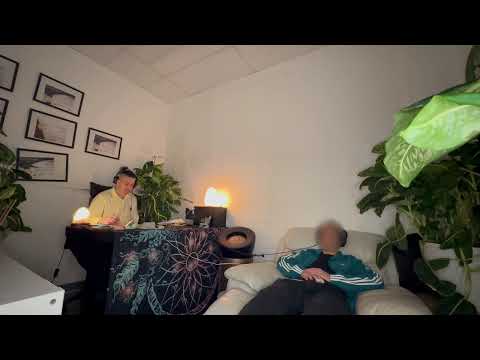
Stop Panic Attacks Hypnosis | Award Winning Anxiety Hypnotherapy Brisbane | Clive Westwood
Stop Panic Attacks Hypnosis | Award Winning Anxiety Hypnotherapy Brisbane | Clive Westwood
Hypnosis for Panic Attacks, Fear of Panic, Anxiety Sensations and Anticipatory Anxiety
A panic attack can feel terrifying.
Your heart races.
Your breathing changes.
You feel dizzy.
Hot.
Shaky.
Light-headed.
Unreal.
And then the mind adds:
“What if this gets worse?”
“What if I lose control?”
“What if I faint?”
“What if something is seriously wrong?”
Sometimes the fear of the sensations becomes as frightening as the sensations themselves.
This Stop Panic Attacks Hypnosis with Clive Westwood is designed as complementary support for people who experience panic attacks, fear of panic, anticipatory anxiety and anxiety about bodily sensations.
[EMBED STOP PANIC ATTACKS HYPNOSIS VIDEO HERE]
The goal is not to promise that you will never experience anxiety again.
The aim is to help change the cycle that can turn normal or familiar sensations into escalating fear.
What Is a Panic Attack?
A panic attack is a sudden surge of intense fear or discomfort that may include symptoms such as:
racing heartbeat
pounding heart
chest tightness
shortness of breath
dizziness
light-headedness
shaking
sweating
hot or cold sensations
nausea
tingling
feeling detached or unreal
fear of losing control
fear of fainting
fear of dying
Panic symptoms can feel extremely real and frightening.
New, severe, persistent or unexplained symptoms should still receive appropriate medical assessment.
The Panic Cycle
A common panic cycle may look like:
Sensation → frightening interpretation → more fear → stronger sensations → more monitoring → more fear
For example:
You notice your heart beating.
Then think:
“Something is wrong.”
Your fear increases.
Your heart beats faster.
Then the faster heartbeat seems to confirm the fear.
The Sensation Becomes Evidence
Even though anxiety itself may be amplifying the sensation.
Fear of Panic Can Maintain Panic
After one frightening attack, you may begin thinking:
“What if it happens again?”
Now the fear of another panic attack becomes another source of anxiety.
Panic About Panic
This is sometimes called fear of fear.
You are no longer only frightened of the original situation.
You become frightened of:
Your heartbeat.
Breathing.
Dizziness.
Shaking.
Feeling hot.
Feeling trapped.
The Body Becomes Something You Monitor
Panic Attack Hypnosis and Body Sensations
Hypnotherapy may support some people in changing how they respond to familiar anxiety sensations.
The goal is not to ignore genuine medical symptoms.
It is to reduce automatic catastrophic interpretations where symptoms have been appropriately assessed.
Fear of a Racing Heart
You notice your pulse.
Then think:
“What if my heart cannot handle this?”
A Faster Heartbeat Can Trigger More Fear
If you experience new, severe or concerning chest pain, fainting, severe breathlessness or other worrying symptoms, seek medical assessment.
Hypnosis should never be used to dismiss possible medical emergencies.
Fear of Breathing Problems
Panic can make breathing feel strange.
You may start consciously monitoring every breath.
Breathing Becomes Something You Try to Control
Then you think:
“What if I can’t breathe properly?”
Monitoring Can Make Breathing Feel Even More Unnatural
New or significant breathing difficulty still requires appropriate medical assessment.
Fear of Dizziness
You feel slightly light-headed.
Then think:
“What if I collapse?”
The Fear of Fainting Can Increase Anxiety
If fainting, severe dizziness or unexplained balance problems occur, seek appropriate medical care.
Fear of Shaking
You notice your hands trembling.
Then worry:
“Everyone will notice.”
Now the fear becomes social as well as physical.
Panic and Embarrassment
You may not only fear the panic attack.
You fear:
Being seen.
Looking weak.
Having to leave.
The Fear of Being Observed Can Intensify the Attack
Fear of Losing Control
You may think:
“What if I scream?”
“What if I run away?”
“What if I completely lose control?”
Feeling overwhelmed is not automatically the same as losing behavioural control.
Fear of Going Crazy
Panic can feel so intense that you may fear:
“I’m going mad.”
A frightening thought during panic is not automatically evidence of losing touch with reality.
However, significant or unusual changes in mental state should be professionally assessed.
Panic and Depersonalisation
Some people experience:
Feeling detached.
Feeling unreal.
Feeling as though they are watching themselves.
Panic and Derealisation
The world may briefly feel strange or unreal.
These experiences can be frightening.
Persistent, severe or unusual dissociative symptoms should receive appropriate professional assessment.
Panic and Fear of Death
During a strong panic attack, people sometimes think:
“I’m dying.”
The fear itself may intensify the physical sensations.
Medical Safety Matters
New or severe chest pain, severe breathing difficulty, collapse, stroke-like symptoms or other potentially serious symptoms need urgent medical assessment.
Do not automatically assume every intense symptom is anxiety.
Panic Attacks in Public
You may fear panic in:
Shopping centres.
Restaurants.
Workplaces.
Queues.
Public transport.
The Question Becomes:
“What if I panic and cannot escape?”
Panic and Crowds
Crowds may feel dangerous because leaving quickly feels harder.
Panic and Shopping Centres
You may start identifying:
Exits.
Bathrooms.
Seats.
Escape routes.
The Environment Becomes a Safety Calculation
Panic on Public Transport
You may fear:
Buses.
Trains.
Planes.
The Main Fear May Be:
“What if I cannot get off?”
Panic in Traffic
You may feel trapped when:
Stopped at lights.
In congestion.
On motorways.
Panic and Driving Anxiety Can Reinforce Each Other
Never listen to hypnosis recordings while driving.
Panic on Motorways
You may fear:
No easy exit.
High speed.
Being far from home.
Panic and Bridges
A bridge may feel frightening because:
You cannot immediately turn around.
Panic in Tunnels
The feeling of limited escape may trigger panic.
Panic in Elevators
An elevator may trigger:
Claustrophobia.
Fear of being trapped.
Fear of panic.
Panic During Flying
You may fear:
Panic.
Turbulence.
Being unable to leave.
Sometimes the Main Fear Is Not the Plane
It is the thought:
“What if I panic up there?”
Panic at Work
You may worry:
“What if I panic during a meeting?”
Fear of Being Trapped Professionally
You may feel unable to simply leave.
Panic During Meetings
You monitor:
Heartbeat.
Breathing.
Face.
Voice.
The More You Monitor, the More Self-Conscious You May Become
Panic During Presentations
You may fear:
Going blank.
Shaking.
Looking nervous.
Performance Anxiety Can Merge With Panic Fear
Panic in Social Situations
You may think:
“What if everyone notices?”
Social Fear Adds Another Layer
Panic and Agoraphobia
Some people begin avoiding places where they fear:
Panic.
Embarrassment.
Being unable to leave.
Not getting help.
Life Can Become Smaller
You may stop:
Travelling.
Shopping.
Driving.
Going out alone.
Avoidance Often Brings Immediate Relief
But can make the feared situation feel even more dangerous later.
Significant agoraphobia should receive appropriate evidence-based psychological support.
Panic and Safe People
You may feel able to go somewhere only if a trusted person is present.
The Person Becomes a Safety Signal
Support is valuable.
But excessive dependence on a safe person may sometimes maintain the belief:
“I cannot cope alone.”
Panic and Safe Places
Home may feel safe.
Outside feels unpredictable.
The Goal Is Not to Force Yourself Into Fear
It may be gradually rebuilding confidence where appropriate and safe.
Panic and Escape Behaviours
You may:
Stand near exits.
Leave early.
Avoid queues.
Only sit near doors.
Safety Behaviours Can Feel Essential
But sometimes they reinforce the message:
“This situation is dangerous.”
Panic and Reassurance-Seeking
You ask:
“Is this normal?”
“Am I okay?”
Reassurance Can Help Briefly
Then another sensation appears.
Panic and Checking Your Pulse
You repeatedly check:
Heart rate.
Smartwatch.
Blood pressure.
Monitoring Can Keep Attention Locked on the Body
Panic and Googling Symptoms
You search:
Heart attack.
Stroke.
Breathing problems.
Neurological symptoms.
Searching Can Increase the Number of Things You Fear
Appropriate medical assessment is different from endless reassurance-seeking.
Panic and Health Anxiety
Some people become frightened that panic symptoms mean:
Heart disease.
A brain problem.
A serious medical condition.
Appropriate Medical Evaluation Matters
But where medical causes have been appropriately considered, repeatedly searching for certainty may continue the anxiety cycle.
Panic and Caffeine
Caffeine may intensify nervousness, palpitations or restlessness in some people.
If you notice a clear relationship, reducing intake may be worth discussing with an appropriate healthcare professional.
Panic and Alcohol
Some people use alcohol to reduce anxiety.
Alcohol Can Become a Safety Behaviour
If alcohol use is becoming difficult to control or dependence is possible, seek professional support.
Do not abruptly stop heavy or dependent alcohol use without medical advice because withdrawal can be dangerous.
Panic and Sleep
Poor sleep can make emotional regulation harder.
Then fear about another panic attack may interfere with sleep.
Panic at Night
You wake suddenly.
Heart racing.
Disoriented.
Night Panic Can Feel Particularly Frightening
Persistent nocturnal panic or sleep problems deserve appropriate assessment.
Panic in the Morning
You wake and immediately scan:
“How anxious do I feel?”
Checking Can Set the Tone for the Day
Panic and Anticipatory Anxiety
Sometimes the panic attack lasts minutes.
But worrying about the next one lasts days.
You Mentally Experience the Attack Before It Happens
Anticipatory Anxiety Can Become More Limiting Than the Attack Itself
Stop Predicting the Next Panic Attack
A past attack does not automatically predict the next hour.
Panic and Future Events
You may worry for weeks about:
Flights.
Meetings.
Parties.
Appointments.
The Event Happens Hundreds of Times in Your Imagination
Anxiety Loves Rehearsal
Panic and Catastrophising
You notice a small sensation.
Then jump to:
“This is going to become a massive panic attack.”
You Have Predicted the Ending Before the Beginning Has Finished
Stay With What Is Actually Happening
Panic and Overthinking
You may analyse:
Why did it happen?
What triggered it?
Will it happen again?
Understanding Can Help
But endless analysis can create another panic-related habit.
Panic and Rumination
After an attack, you replay:
Where it started.
What you felt.
What you should have done.
The Attack Ends
The Replay Continues
Panic and Fear of Fear
You may become frightened of feeling:
Nervous.
Warm.
Breathless.
Dizzy.
Normal Sensations Become Warning Signs
The Goal Is Not to Fear Normal Arousal
Panic and Exercise
Exercise naturally changes:
Heart rate.
Breathing.
Sweating.
These Sensations Can Resemble Panic
Some people begin avoiding exercise because they fear the sensations.
Appropriate medical clearance may be needed where relevant.
Fear of Exercise Sensations
The issue may become:
“What if this feeling becomes panic?”
Safe Exposure to Sensations
Evidence-based psychological treatment may sometimes involve appropriately planned exposure to feared sensations or situations.
This should be safe, consensual and appropriate to the person.
Panic and Avoiding Heat
You may avoid:
Hot rooms.
Sun.
Exercise.
Because warmth resembles panic
Panic and Dizziness
You may avoid:
Standing quickly.
Busy environments.
Escalators.
The Sensation Becomes the Threat
Panic and Restaurants
You may fear:
Being trapped at the table.
Eating while anxious.
Needing to leave.
Panic and Eating
Anxiety may affect:
Appetite.
Nausea.
Digestion.
Significant or persistent gastrointestinal symptoms deserve appropriate medical assessment.
Panic and IBS
Gut sensations can themselves become panic triggers.
Fear Creates More Gut Awareness
Panic and Toilets
You may plan outings around access to bathrooms.
The Need for Certainty Becomes Another Safety Strategy
Panic and Fear of Vomiting
Nausea can trigger fear.
Fear can increase nausea.
The Cycle Feeds Itself
Panic and Fear of Fainting
You constantly monitor:
Vision.
Balance.
Light-headedness.
Monitoring Can Make Every Small Change Feel Significant
Panic and Fear of Choking
A throat sensation may become:
“What if I cannot swallow?”
Persistent swallowing or choking difficulties require appropriate medical or speech pathology assessment.
Panic and Claustrophobia
Small or enclosed places may trigger fear because escape feels restricted.
Panic and Crowded Places
The crowd may not be the main problem.
The real fear may be:
“What if I panic here?”
Panic and Being Alone
Some people feel safer with another person nearby.
Being Alone Can Become a Trigger
because you think:
“What if nobody can help me?”
Panic and Being Far From Home
Distance may feel dangerous.
Home Becomes a Safety Symbol
The Goal Is Confidence, Not Recklessness
Panic and Control
You may organise your entire life around preventing panic.
Routes.
Seating.
Food.
Caffeine.
Companions.
Life Becomes Controlled by the Possibility of Panic
Panic and Confidence
Confidence does not necessarily mean:
“I know I will never panic.”
It may mean:
“If anxiety appears, I know I can respond.”
Panic and Acceptance
Trying desperately to force anxiety away can sometimes increase fear.
Acceptance Does Not Mean Liking Panic
It may mean:
“This sensation is here right now, and I do not need to add catastrophe.”
Stop Fighting Every Sensation
You Can Allow a Feeling Without Feeding It
Panic and Present-Moment Awareness
Panic pushes attention into:
“What is about to happen?”
Bring attention back to:
What is actually happening now.
The Future Panic Attack Is Not Happening Right Now
Panic and Breathing
Some people benefit from slow, comfortable breathing.
But the goal is not to obsessively control every breath.
Breathing Does Not Need Constant Supervision
Panic and Grounding
Simple grounding may involve noticing:
Feet on the floor.
The chair.
Sounds around you.
Objects in the room.
Move Attention Outward
Panic and Self-Talk
The mind may say:
“I cannot handle this.”
You may practise:
“I have experienced anxiety before.”
“I do not need to predict the ending.”
“I can allow this feeling to pass.”
Panic Is Not a Personal Failure
Hypnosis for Panic Attacks
Hypnotherapy may support some people with:
panic attacks
fear of panic
anticipatory anxiety
anxiety sensations
fear of losing control
fear of fainting
body scanning
reassurance-seeking
panic-related avoidance
agoraphobic fears
driving panic
public-place anxiety
fear of physical sensations
overthinking panic
relaxation and self-confidence
Individual responses vary.
No particular outcome can be guaranteed.
Hypnosis for Fear of Panic
The focus may involve reducing the secondary fear:
“What if I panic?”
Hypnosis for Panic Sensations
You may practise responding differently to familiar sensations that have been appropriately medically assessed.
Hypnosis for Heartbeat Anxiety
The aim may be reducing automatic catastrophic interpretation of normal or familiar changes in heart rate.
Hypnosis for Breathing Anxiety
You may practise allowing breathing to happen without excessive monitoring.
Hypnosis for Dizziness Anxiety
The focus may be reducing the immediate assumption that familiar anxiety-related dizziness means catastrophe.
Hypnosis for Fear of Losing Control
You may practise separating:
“I feel overwhelmed”
from:
“I will lose control.”
Hypnosis for Agoraphobic Panic
Hypnosis may complement appropriate psychological treatment aimed at gradually rebuilding confidence outside feared safe zones.
Hypnosis for Public Panic
You may rehearse remaining present in:
Shops.
Workplaces.
Social situations.
Public transport.
Hypnosis for Driving Panic
It may support confidence and anxiety management, but hypnosis recordings should never be used while driving.
Hypnosis for Panic at Night
Relaxation-focused hypnosis may support some people who experience bedtime anxiety or fear of another panic episode.
Persistent nocturnal symptoms deserve appropriate assessment.
Stop Monitoring for Panic
If you constantly ask:
“Am I panicking yet?”
you keep attention focused on panic.
Stop Taking Your Emotional Temperature Every Minute
Panic Does Not Need Constant Surveillance
The First Sensation Is Not the Entire Attack
A faster heartbeat does not automatically mean:
Panic.
A warm face does not automatically mean:
Panic.
A strange breath does not automatically mean:
Panic.
Give the Sensation Time to Be Just a Sensation
Stop Predicting Escalation
Instead of:
“This is going to get worse.”
Try:
“I do not know what happens next.”
You Do Not Need Certainty to Stay Present
The Wave Metaphor
A panic sensation may rise.
Peak.
Change.
Fall.
You Do Not Need to Push the Wave Back Into the Ocean
Let Your Response Become Less Frightened
Panic and Self-Trust
You may not be able to guarantee:
“I will never panic again.”
But you can develop:
“I trust myself more if anxiety appears.”
That Can Be More Powerful Than Trying to Guarantee Nothing Happens
What Does Panic Attack Hypnosis Feel Like?
Experiences vary.
You may feel:
relaxed
focused
physically calmer
less afraid of familiar sensations
less interested in monitoring the body
more confident about anxiety
more present
less compelled to escape
Or you may simply feel like yourself listening carefully.
Will Hypnosis Stop Panic Attacks Immediately?
No responsible practitioner should guarantee that.
The aim may be to support changes in the panic cycle and your response to anxiety.
Can Hypnosis Cure Panic Disorder?
No responsible practitioner should promise a cure.
Panic disorder may benefit from evidence-based psychological and medical treatment.
Hypnosis may be complementary.
Will Hypnosis Stop My Heart Racing?
Hypnosis may support relaxation, but it should not be used to diagnose or treat unexplained cardiac symptoms.
Can Hypnosis Stop Me Fainting?
No.
If you experience fainting or unexplained loss of consciousness, seek appropriate medical assessment.
Can Hypnosis Stop Me Losing Control?
The focus may be reducing fear of losing control, but no particular result should be guaranteed.
Can Hypnosis Help Agoraphobia?
It may complement evidence-based psychological treatment and appropriately planned gradual exposure.
Can Hypnosis Help Fear of Panic in Public?
It may support increased confidence and reduced anticipatory anxiety.
Can Hypnosis Help Panic While Driving?
Hypnotherapy may support driving anxiety outside the vehicle.
Never use hypnosis while driving.
Can Hypnosis Help Panic at Night?
It may support relaxation and reduced fear of familiar panic sensations.
Persistent nocturnal symptoms still deserve appropriate assessment.
Can Hypnosis Help Fear of Anxiety Sensations?
It may support a less catastrophic response to sensations that have been appropriately assessed.
Will I Lose Control During Hypnosis?
No.
You remain aware, responsive and retain choice.
Personalised Panic Attack Hypnotherapy Brisbane
A general recording cannot know what triggers your panic.
Perhaps it begins with:
heartbeat sensations
breathing changes
dizziness
driving
crowds
shopping centres
meetings
public transport
flying
being alone
being far from home
health fears
fear of losing control
Personalised hypnotherapy can focus on your specific panic pattern while complementing appropriate medical or psychological care where needed.
Why Choose Clive Westwood for Panic and Anxiety Hypnotherapy in Brisbane?
Helping Clients Since 2013
Clive Westwood has been helping clients through hypnotherapy since 2013, including people seeking support with anxiety, panic, fears, overthinking and confidence.
Personalised Sessions
One person's panic may begin with:
Heartbeat.
Another:
Dizziness.
Another:
Being trapped.
Another:
Fear of losing control.
The trigger matters.
Anxiety-Focused Approach
Sessions may focus on:
Fear of panic.
Anticipatory anxiety.
Body scanning.
Catastrophising.
Avoidance.
Fear of sensations.
Direct and Practical
The goal is not simply to say:
“Calm down.”
The aim is to understand and change the reaction that may be maintaining the panic cycle.
Non-Shaming Approach
Panic can feel intense and frightening.
You do not need to be told:
“It's all in your head.”
The symptoms are experienced physically and emotionally.
The focus is learning to respond differently while respecting appropriate medical assessment.
Face-to-Face Hypnotherapy Brisbane
Face-to-face hypnotherapy appointments are available in Brisbane.
Online Hypnotherapy Australia-Wide
Online sessions are also available throughout Australia where appropriate.
Frequently Asked Questions
Can Hypnosis Help Panic Attacks?
Hypnotherapy may support reduced anticipatory anxiety, fear of sensations, overthinking and panic-related avoidance for some people.
Can Hypnosis Stop Panic Attacks?
It may help some people change the patterns surrounding panic, but no responsible practitioner should guarantee panic attacks will stop completely.
What Causes Panic Attacks?
Panic can involve a combination of biological, psychological, situational and behavioural factors.
Symptoms should not automatically be self-diagnosed.
Why Do I Fear Another Panic Attack?
A frightening previous experience may teach the brain to monitor for signs that it could happen again.
Can Fear Cause Another Panic Attack?
Fear of familiar sensations may sometimes amplify anxiety and contribute to escalation.
Can Hypnosis Help Fear of Panic?
That may be one useful focus of hypnotherapy.
Can Hypnosis Help Panic Disorder?
It may be complementary, but evidence-based psychological and medical treatment should be considered.
Can Hypnosis Help Agoraphobia?
It may complement appropriate treatment aimed at reducing avoidance and rebuilding confidence.
Can Hypnosis Help Health Anxiety Around Panic?
It may support excessive catastrophic interpretation after appropriate medical assessment.
Can Hypnosis Help Fear of Heart Palpitations?
It may support the anxiety response to familiar, appropriately assessed sensations.
New or concerning heart symptoms require medical attention.
Can Hypnosis Help Dizziness From Anxiety?
It may support fear around familiar anxiety sensations, but unexplained or persistent dizziness requires assessment.
Can Hypnosis Help Shortness of Breath Anxiety?
It may support the anxiety response, but new or significant breathing problems require medical care.
Can Hypnosis Help Fear of Fainting?
It may support fear surrounding the sensation.
Actual fainting deserves appropriate medical assessment.
Can Hypnosis Help Fear of Losing Control?
It may help reduce catastrophic thinking around loss of control.
Can Hypnosis Help Panic in Crowds?
It may support anticipatory anxiety and confidence while appropriate gradual exposure may also be beneficial.
Can Hypnosis Help Panic While Driving?
Hypnotherapy may support driving-related panic outside the driving situation.
Never listen to hypnosis while driving.
Can Hypnosis Help Panic on Planes?
It may support fear of panic, feeling trapped and anticipatory anxiety.
Can Hypnosis Help Night-Time Panic?
It may support relaxation, although persistent nocturnal symptoms deserve assessment.
How Many Hypnotherapy Sessions Will I Need?
Individual needs vary.
No exact session number or outcome can responsibly be guaranteed.
Can I Listen to Panic Attack Hypnosis While Driving?
No.
Never listen to hypnosis, deep relaxation or sleep recordings while driving, cycling, operating machinery or performing anything requiring full attention.
When Panic Symptoms Need Medical or Psychological Support
Seek appropriate professional assessment if panic symptoms are:
New.
Severe.
Persistent.
Increasing.
Associated with fainting.
Associated with significant breathing difficulty.
Associated with unexplained chest pain.
Associated with major changes in mental state.
Creating significant avoidance.
Preventing work or study.
Restricting travel.
Or substantially interfering with everyday life.
Panic disorder and agoraphobia can respond to evidence-based psychological treatment, and hypnosis should be considered complementary rather than a replacement.
If you experience possible symptoms of a medical emergency, seek urgent medical help rather than assuming the symptoms are panic.
If there is immediate danger in Australia, call Triple Zero (000).
For crisis support, contact Lifeline on 13 11 14 or Suicide Call Back Service on 1300 659 467.
You Do Not Have to Be Frightened of Every Sensation
Perhaps the first sensation appears.
Your heart changes.
Your breathing feels different.
Your stomach moves.
And normally the mind says:
“Here it comes.”
Maybe instead you begin to respond:
“This is a sensation.”
“I do not need to predict the ending.”
“I can allow this moment without adding another layer of fear.”
“I do not have to monitor myself every second.”
“I can stay with what is actually happening.”
“Feeling anxiety does not automatically mean something terrible is happening.”
“I can handle uncertainty.”
“I can let my body settle in its own time.”
You do not need to spend every day trying to guarantee:
“I will never have another panic attack.”
Perhaps a more useful belief becomes:
“If anxiety appears, I do not have to become frightened of the anxiety itself.”
The sensation does not automatically need a story.
The story does not automatically need to become a catastrophe.
And the possibility of panic does not have to control where you go, what you do or how much of your life you allow yourself to live.
Listen to Stop Panic Attacks Hypnosis with Clive Westwood somewhere safe to relax as complementary support for panic attacks, fear of panic, anticipatory anxiety, anxiety sensations, body scanning and panic-related avoidance.
For significant panic disorder, agoraphobia, unexplained physical symptoms or major functional impairment, appropriate evidence-based psychological or medical care should also be considered.
For personalised support, Clive Westwood provides panic attack and anxiety hypnotherapy in Brisbane, with online appointments also available throughout Australia.
The goal is not to spend your life making sure panic can never happen. It is to stop giving the possibility of panic the power to run your life.