Confidence Boost Hypnosis for Kids | Award Winning Anxiety Hypnotherapy Brisbane | Clive Westwood
Confidence Boost Hypnosis for Kids | Award Winning Anxiety Hypnotherapy Brisbane | Clive Westwood
Confidence Boost Hypnosis for Kids Brisbane
Sometimes a child does not need to become:
A completely different person.
They may simply need:
A little:
Boost.
A reminder:
“I can do this.”
Before:
Walking into school.
Speaking in class.
Meeting someone new.
Trying something difficult.
Playing sport.
Performing.
Or:
Facing something that makes them:
Nervous.
Confidence Can Be Practised
Children are not simply born:
Confident.
Or:
Not confident.
Confidence can grow through:
Experience.
Encouragement.
Practice.
Independence.
And:
Small successes.
Confidence Boost Hypnosis for Kids can be used as a gentle way of reinforcing:
Self-belief.
Calmness.
Courage.
Positive self-talk.
And:
The ability to have a go.
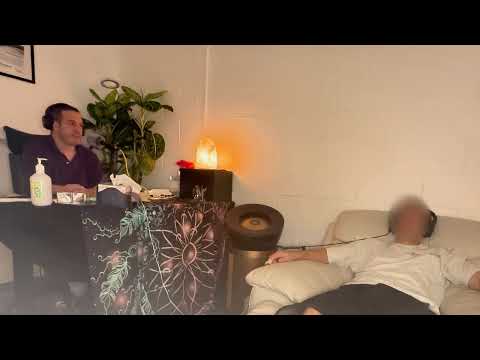
[EMBED CONFIDENCE BOOST HYPNOSIS FOR KIDS VIDEO HERE]
What Does Low Confidence Look Like in a Child?
Sometimes:
It is obvious.
A child says:
“I can't.”
“I'm scared.”
“You do it.”
“Everyone is better than me.”
Other times:
It is quieter.
They may:
Avoid.
Hang back.
Let others speak for them.
Constantly ask for reassurance.
Give up quickly.
Become upset by mistakes.
Avoid unfamiliar activities.
Compare themselves with other children.
They May Know They Can Do Something
But:
Still:
Doubt themselves.
Confidence Is Not about Becoming the Loudest Child
A confident child does not need to be:
Loud.
Outgoing.
The centre of attention.
Some children are naturally:
Quiet.
Thoughtful.
Sensitive.
Reserved.
That is:
Okay.
Confidence means having enough:
Self-trust:
To participate:
When they want to.
The Goal Is Not:
Forced extroversion
It Is:
Choice
Confidence Boost before School
Mornings can bring:
Nervousness.
A child may begin thinking about:
Teachers.
Classmates.
Schoolwork.
Mistakes.
Playground situations.
A simple confidence message can be:
“I don't have to know exactly how today will go. I can handle today one part at a time.”
Confidence Walking into School
Sometimes:
The hardest moment is:
Entering.
Once inside:
The child settles.
So:
Do not mentally rehearse:
The entire day.
Focus on:
The next step.
Shoes on.
Bag ready.
Walk in.
Say hello.
Confidence Boost for the Classroom
A child may know:
The answer.
But:
Fear being:
Wrong.
So:
Their hand stays:
Down.
Confidence can mean:
“I can have a go even if I'm not completely sure.”
Getting an answer wrong is not:
Proof:
That a child is:
Not smart.
It is part of:
Learning.
Confidence to Speak Up
Some children struggle to:
Ask:
Questions.
Tell a teacher:
Something is wrong.
Say:
They do not understand.
Confidence includes:
Using:
Your voice.
A child can practise:
“Can you help me?”
“I don't understand yet.”
“Can you explain that again?”
Asking for Help Is Not Weakness
It is:
A skill.
Confidence around Teachers
A child may become:
Very quiet:
Around teachers.
Especially if they are:
Sensitive to:
Correction.
Tone.
Authority.
Confidence may involve:
Learning:
“An adult can correct something I did without that meaning there is something wrong with me.”
But:
If a child is genuinely frightened because of inappropriate adult behaviour:
That should be:
Investigated.
Hypnosis should never be used to make a child:
Tolerate:
Unsafe behaviour.
Confidence after Being Corrected
A teacher says:
“Try that again.”
A low-confidence child may hear:
“I'm bad at this.”
Confidence can reframe:
Correction:
As:
Information.
Instead:
“I know what to change.”
Confidence Boost for Making Friends
A child sees:
Other children:
Playing.
They want to:
Join.
But:
Wait.
Watch.
Hesitate.
Confidence may mean:
One small action.
“Can I play?”
They do not need:
A perfect:
Introduction.
Confidence When Another Child Says No
Not every:
Social attempt:
Works.
Another child may:
Say no.
Ignore them.
Want to play with:
Someone else.
That can hurt.
But:
A no does not mean:
“Nobody likes me.”
Confidence includes:
Social recovery.
“That didn't work. I can try something else.”
Confidence and Rejection
Children can quickly turn:
One rejection:
Into:
Identity.
“Nobody wants me.”
Help them separate:
The event:
From:
Who they are.
One child saying:
No:
Is one:
Moment.
Not:
A permanent verdict.
Confidence for Quiet Kids
A quiet child does not necessarily:
Have a confidence problem.
They may:
Prefer:
Smaller groups.
Need:
More time.
Observe:
Before joining.
Confidence support should not:
Punish:
Their temperament.
The useful question is:
“Is quietness their choice, or is fear making the choice?”
Confidence for Sensitive Kids
Sensitive children may:
Notice:
Tone.
Facial expressions.
Criticism.
Conflict.
More strongly.
Sensitivity does not automatically mean:
Weakness.
Confidence may involve:
Learning:
“I can feel things strongly and still handle them.”
Confidence after Embarrassment
A child:
Trips.
Gets an answer wrong.
Forgets words.
Misses a goal.
Then:
Thinks:
“Everyone saw.”
Confidence says:
“Embarrassing moments pass.”
You can:
Return.
Confidence after a Mistake
Children sometimes believe:
“If I make a mistake, I am bad at it.”
Help change:
That equation.
Mistake =
Information.
Not:
Identity.
The word:
“Yet”
Can be powerful.
“I can't do it.”
Becomes:
“I can't do it yet.”
Confidence Boost for Trying Something New
New things contain:
Uncertainty.
New school.
New sport.
New activity.
New class.
A child may say:
“I don't want to.”
Sometimes:
That genuinely means:
No.
Other times:
It means:
“I'm worried I won't be good at it.”
Confidence may involve:
Trying:
A manageable:
First step.
Confidence Boost for Sport
Sport can challenge:
Confidence.
Children may worry about:
Losing.
Making mistakes.
Missing.
Being watched.
Disappointing a coach.
Confidence should not depend on:
Winning.
A stronger message is:
“I can compete, learn and recover.”
Confidence after Losing
Losing can feel:
Personal.
But:
The result says:
What happened:
In that:
Competition.
It does not determine:
A child's:
Worth.
Ask:
“What did you learn?”
“What did you do well?”
“What will you practise?”
Confidence Boost before Competition
Before:
Sport.
Performance.
Competition.
A child may feel:
Butterflies.
They do not need to think:
“I must stop feeling nervous.”
Instead:
“My body is getting ready.”
Some nerves:
Can exist:
Alongside:
Confidence.
Confidence for School Presentations
A presentation may trigger:
Fast heart.
Shaky voice.
Blank mind.
Confidence can mean:
“I only need to say the next sentence.”
Not:
The entire presentation:
At once.
Confidence for Performing
Dance.
Music.
Drama.
Sport.
A child may become:
Focused on:
Everyone:
Watching.
Help attention return to:
What they have:
Practised.
Confidence and Comparison
Children compare:
Marks.
Sport.
Appearance.
Friends.
Abilities.
There will always be:
Someone:
Better:
At something.
Confidence does not require:
Being:
The best.
It requires:
Recognising:
“I can improve from where I am.”
Confidence and Praise
Praise can help.
But:
Confidence should not depend entirely on:
“You're amazing!”
Stronger praise often focuses on:
Effort.
Courage.
Persistence.
Problem-solving.
For example:
“I noticed you were nervous and still tried.”
That gives:
Evidence.
Confidence through Evidence
Ask your child:
“What did you do today that was difficult?”
Maybe:
Answered.
Asked.
Joined.
Tried.
Returned.
These moments become:
A:
Confidence Evidence Bank
Confidence Boost through Independence
Sometimes adults help:
Too quickly.
Child says:
“You do it.”
Parent:
Does.
The child receives:
Relief.
But misses:
Evidence:
That:
They could:
Try.
Where safe and age-appropriate:
Give them:
A chance.
Confidence Grows through:
“I did it myself.”
This Does Not Mean Withholding Help
Support is still:
Important.
But:
Help can sometimes mean:
“I'll stay with you while you try.”
Instead of:
“I'll do it for you.”
Confidence and Reassurance
A child asks:
“Will I be okay?”
Parent says:
Yes.
Five minutes later:
“Are you sure?”
Reassurance can provide:
Short-term relief.
But:
Repeated reassurance can sometimes become:
Part of an anxiety cycle.
Try:
“What do you think you could do if you felt nervous?”
This moves attention toward:
Coping.
The “I Can Handle It” Skill
Teach:
“I can handle it.”
Not:
“Nothing bad will ever happen.”
Because:
Confidence is not:
Certainty.
It is:
Coping.
The Confidence Button
Ask your child to imagine:
A confidence button.
Maybe:
On their:
Hand.
Wrist.
Chest.
Press:
The imaginary button.
Remember:
A time:
They felt:
Proud.
Brave.
Capable.
Then:
Take that feeling:
Into:
The next situation.
The Confidence Backpack
Imagine:
A backpack.
Inside:
Courage.
Calmness.
Patience.
Confidence.
Humour.
Persistence.
Ask:
“Which one do you need today?”
Put it:
Into:
The imaginary backpack.
Take it:
With you.
The Confidence Memory
Ask:
“Remember something you can do now that was once difficult.”
Walking.
Swimming.
Reading.
Riding.
Sport.
Once:
It was:
Hard.
Now:
It is:
Familiar.
That is evidence:
“I can learn.”
The One-Brave-Thing Challenge
Choose:
One:
Small:
Confidence challenge.
Today:
Say hello.
Tomorrow:
Ask a question.
Another day:
Try something new.
Small challenges:
Build:
Evidence.
The Confidence Ladder
Choose:
Something:
Difficult.
Break it into:
Steps.
Easy:
First.
Then:
Slightly harder.
Confidence can grow:
Gradually.
No Need to Throw a Child into the Deep End
Confidence-building should be:
Age-appropriate.
Gradual.
Safe.
Consensual.
Not:
Humiliating.
Forced.
Overwhelming.
The Strong-Body Exercise
Feet:
Steady.
Shoulders:
Comfortable.
Head:
Natural.
Take:
A comfortable breath.
Think:
“I can have a go.”
Body language can be used as:
A reminder.
Not:
Proof of worth.
The Future-Me Exercise
Ask your child to imagine:
Themselves:
After:
Handling the situation.
Not:
Perfectly.
Just:
Handling it.
Ask:
“What did future-you do?”
Maybe:
Walked in.
Spoke.
Tried.
Asked.
Then:
Practise:
That.
Confidence Hypnosis for Kids
Hypnosis with children may involve:
Imagination.
Stories.
Focused attention.
Relaxation.
Mental rehearsal.
Positive suggestion.
Children often naturally use:
Imagination:
During:
Play.
Stories.
Games.
A child-friendly hypnosis session should be:
Age-appropriate.
Respectful.
Non-shaming.
A Child Should Never Be Forced to Be Hypnotised
They should be:
Willing.
They should not be:
Forced:
To close their eyes.
Reveal:
Private information.
Or:
Perform.
Hypnosis Is Not Mind Control
Children remain:
Able to:
Think.
Speak.
Move.
Respond.
Hypnosis should not be used to:
Force obedience.
Confidence Is Not Obedience
A confident child should be able to:
Speak.
Ask.
Question.
Say:
No.
Seek help.
We do not want children learning:
“Confidence means doing whatever adults tell me.”
Safe confidence includes:
Boundaries.
Direct Suggestions for Confidence Boost Hypnosis for Kids
Suggestions may include:
You can believe in yourself a little more every day.
You can try even when you are not completely sure.
You can ask for help when you need it.
You can speak up when something matters.
You can learn from mistakes.
You can feel nervous and still have a go.
You can remember things you have already learned.
You can handle someone saying no.
You can try again after something doesn't work.
You do not need to be perfect.
You do not need to be the loudest person to be confident.
You can take one step at a time.
You can become more independent as you grow.
You can be kind and still have boundaries.
You can trust yourself to handle difficult moments.
Confidence Does Not Mean Fearless
A confident child may still:
Feel:
Fear.
They simply begin learning:
“Fear doesn't always get to choose for me.”
Confidence Does Not Mean Never Crying
Crying does not mean:
Weak.
Strong children can:
Feel.
Confidence means:
Learning:
How to:
Recover.
Confidence Does Not Mean Winning
A child can:
Lose:
And:
Remain:
Confident.
Confidence Does Not Mean Being Popular
Not every child:
Will:
Like:
Your child.
Confidence means:
Their worth:
Does not depend:
On:
Universal approval.
Confidence Does Not Mean Perfect Behaviour
Children:
Make mistakes.
Confidence includes:
Taking responsibility.
Learning.
Trying again.
When Low Confidence May Be Something More
Sometimes:
Low confidence may be related to:
Anxiety.
Bullying.
Learning difficulties.
ADHD.
Autism.
Speech or communication difficulties.
Trauma.
Family stress.
Depression.
School problems.
The answer should not automatically be:
“They just need more confidence.”
The underlying issue:
Matters.
Bullying Requires Action
If a child's confidence has changed because of:
Bullying.
Harassment.
Threats.
Or:
Unsafe behaviour:
The priority is:
Addressing:
The actual problem.
Hypnosis should not be used to:
Make a child:
Tolerate:
Mistreatment.
Sudden Changes Deserve Attention
If a previously confident child suddenly becomes:
Withdrawn.
Fearful.
Avoidant.
Distressed.
Or:
Refuses activities they previously enjoyed:
Look at:
What changed.
Appropriate paediatric, psychological, educational or other professional assessment may be needed.
Hypnotherapy Is Complementary
Hypnotherapy should not replace:
Appropriate:
Medical.
Psychological.
Paediatric.
Educational.
Speech pathology.
Occupational therapy.
Or:
Other professional support:
Where needed.
Frequently Asked Questions about Confidence Boost Hypnosis for Kids
Can Hypnosis Help My Child's Confidence?
Hypnotherapy may support confidence-related patterns through imagination, mental rehearsal, relaxation and positive suggestion.
Results vary and no outcome should be guaranteed.
What Age Can Children Have Hypnotherapy?
Suitability depends on the individual child's age, understanding, willingness, needs and the issue being addressed rather than simply one universal age.
Does My Child Have to Close Their Eyes?
No.
Can You Make My Child More Outgoing?
That should not be the goal.
A quiet or introverted child does not need to become extroverted.
Can Hypnosis Help My Child Speak Up?
It may support confidence and anxiety-related patterns around speaking.
Persistent speech or communication concerns may also benefit from assessment by an appropriate professional such as a speech pathologist.
Can Hypnosis Help School Confidence?
It may support confidence-related anxiety around school, teachers, mistakes, presentations and social situations.
Actual school problems should also be addressed directly.
Can It Help My Child Make Friends?
It may support social confidence.
It cannot make other children like them or guarantee friendships.
Can Hypnosis Help Sports Confidence?
It may support mental rehearsal, confidence and performance-related nervousness.
Coaching, appropriate training and sport safety remain important.
Can It Help Fear of Failure?
It may support perfectionism, self-doubt and fear-related avoidance.
Can It Help My Child Stop Saying “I Can't”?
It may support a shift toward a more flexible:
“I can try”
Or:
“I can't do it yet.”
Will Hypnosis Make My Child Obey Me?
That is not an appropriate purpose of hypnotherapy.
Will My Child Lose Control?
No.
Will My Child Be Unconscious?
No.
Should I Stay during My Child's Appointment?
Parent or legal guardian involvement and the structure of the session depend on the child's age, needs and circumstances.
What If My Child Does Not Want Hypnosis?
They should not be forced.
How Many Sessions Will My Child Need?
Every child and concern is different.
No exact number or guaranteed result should be promised.
Why Choose Clive Westwood for Kids Confidence Hypnotherapy Brisbane?
Helping Clients Since 2013
Clive Westwood has been helping clients through clinical hypnotherapy since 2013.
His work includes people seeking support involving:
Confidence.
Anxiety.
Fear.
Nervousness.
Performance.
And:
Related patterns.
Child-Friendly Hypnotherapy
Children are not:
Small adults.
Confidence work should be:
Simple.
Age-appropriate.
Encouraging.
Imaginative.
And:
Respectful.
Personalised Support
One child needs confidence:
At school.
Another:
Making friends.
Another:
Playing sport.
Another:
Speaking up.
Another:
Trying new things.
So the useful question is:
“Where does your child need a little more belief in themselves?”
Brisbane Hypnotherapy for Kids
Personalised hypnotherapy is available in Brisbane where appropriate, with parent or legal guardian involvement for children.
Give Confidence a Boost
From:
“I can't.”
To:
“I can try.”
From:
“What if I get it wrong?”
To:
“Mistakes help me learn.”
From:
“You do it for me.”
To:
“Stay with me while I try.”
From:
“What if they say no?”
To:
“I can handle that.”
From:
“I'm nervous.”
To:
“I can be nervous and still have a go.”
From:
“Everyone is better than me.”
To:
“I can keep improving.”
Confidence Is Built:
One:
Small:
Experience:
At a time.
Confidence Boost Hypnosis for Kids Brisbane
Clive Westwood provides personalised confidence hypnotherapy for children in Brisbane seeking support with self-belief, school confidence, social confidence, nervousness, mistakes, trying new things, speaking up, sport, performance and anxiety-related confidence difficulties, where hypnotherapy is appropriate for the individual child.
Confidence Boost Hypnosis for Kids is not about turning a quiet child into the loudest child in the room or teaching children to ignore fear. It is about helping children develop evidence that they can try, learn, speak, ask for help, cope with mistakes, recover from disappointment and gradually trust themselves more in the situations that matter to them.
ready the eyes closed just relax and focus your attention on the rise and fall of your breath
with each breath just allow that relaxation to expand throughout your body and your mind the more you allow yourself to relax the better you feel and the better you feel the more you allow yourself to relax as that relaxation drifts throughout your body your mind just imagine a beautiful flight of stairs and there are 10 steps on this beautiful flight of stairs
and each step you go down you find yourself more relaxed 10 take the first comfortable step down now completely at peace in every way n going down deeper and deeper
down eight feeling calm relaxed and at peace seven going down deeper and deeper down
down
down six being completely at peace in every way five halfway down now feeling safe circular much more relaxed than ever before four going down deeper and deeper
free being at peace completely as you let go two going down deeper and deeper down
one almost at the basement of relaxation feeling safe circular much more relaxed than ever before zero you are now at the basin of relaxation feeling safe circular much more relaxed than ever
before and now I want you to imagine a safe place this can be a real place you have been to before but could just as effectively be a fantasy place in your mind coming out of this safe place into a comfortable room a room for change
to become who you want to be face each fear is easy for you now as you feel brave and confident in every way feeling calm relaxed imagine stepping inside a big bubble of protection and this big bubble protects you from all fear
completely as all fear bounces off this bubble and you feel safe calm and relaxed feeling brave and confident knowing that you are strong and powerful in every way
being calm relaxed from deep within
clearing your mind
completely as you are always brave and confident from now on for the rest of your life and all of the changes and suggestions take place from now on for the rest of your life in a moment I will count from one to five and on the count of five I will say fully aware and all of the changes and suggestions take place from now on for the rest of your life one feeling safe calm and relaxed two being brave and confident from now on for the rest of your life three knowing that you can become anything you want f on the next number I will say fully aware and all of the changes and suggestions take place from now on for the rest of your life five fully aware open your eyes