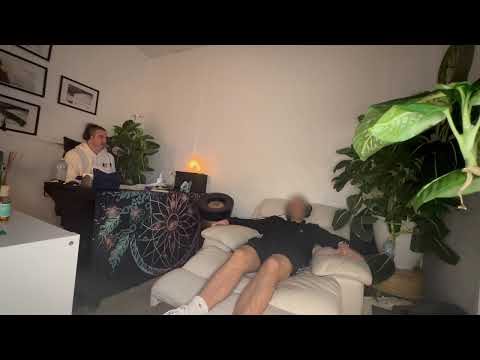
Release Tension and Anger | Award Winning Anxiety Hypnotherapy Brisbane | Clive Westwood
Release Tension and Anger | Award Winning Anxiety Hypnotherapy Brisbane | Clive Westwood
Hypnosis for Anger, Irritability, Stress, Resentment and Physical Tension
Sometimes anger does not arrive as shouting.
Sometimes it sits quietly in the body.
Tight jaw.
Clenched hands.
Raised shoulders.
Tension through the chest.
Pressure behind the eyes.
A mind replaying the same conversation again and again.
You may look calm on the outside while inside you are thinking:
“I’ve had enough.”
“Why does this keep happening?”
“Why can’t they just listen?”
“I’m so frustrated.”
This Release Tension and Anger Hypnosis with Clive Westwood is designed as complementary support for people experiencing stress, irritability, emotional pressure, resentment and physical tension.
[EMBED RELEASE TENSION AND ANGER HYPNOSIS VIDEO HERE]
The goal is not to remove all anger.
Anger can contain useful information.
It may tell you:
A boundary has been crossed.
Something feels unfair.
You are exhausted.
You need to speak up.
You need to step away.
The aim is to help you respond to anger with greater awareness and control instead of allowing accumulated tension to decide what happens next.
When Anger Builds Up Inside
You may not consider yourself an angry person.
But perhaps you notice:
becoming irritated easily
snapping at people
feeling constantly tense
replaying arguments
resentment
impatience
road frustration
getting annoyed by small things
feeling emotionally overloaded
difficulty switching off after conflict
clenching your jaw
grinding your teeth
carrying tension in your shoulders or stomach
feeling as though you could explode
Sometimes anger is the final layer on top of many other pressures.
Anger Can Be the Surface Emotion
Underneath anger there may be:
Stress.
Fear.
Embarrassment.
Rejection.
Disappointment.
Exhaustion.
Feeling ignored.
Feeling disrespected.
Feeling powerless.
Feeling overwhelmed.
Anger may be what becomes visible.
But it is not always the whole story.
The Tension-Anger Cycle
A common pattern may look like:
Stress → physical tension → irritation → negative interpretation → stronger anger → reaction → regret → more stress
Over time, even small frustrations may begin triggering a disproportionate response because the emotional pressure was already high before the situation happened.
Bottled-Up Anger
Some people rarely express anger.
Instead, they suppress it.
They smile.
Agree.
Stay quiet.
Walk away.
Then replay everything later.
You may think:
“I should have said something.”
“Why did I let them speak to me like that?”
“Next time I’m going to tell them exactly what I think.”
Suppression does not always create calm.
Sometimes it simply delays the emotion.
Anger and People-Pleasing
You say yes when you want to say no.
You avoid conflict.
You tolerate behaviour you dislike.
Then resentment builds.
Eventually you may become angry at the other person for something you repeatedly agreed to.
Healthy boundaries may reduce some of that pressure.
Anger and Poor Boundaries
You may feel angry because people:
Take too much of your time.
Expect too much.
Interrupt.
Disrespect you.
Ignore your needs.
But perhaps you rarely communicate where your boundary actually is.
Anger may sometimes be signalling:
“Something needs to change.”
Anger and Resentment
Resentment often continues after the original event.
You replay:
What they said.
What they did.
What you should have said.
What they should have done.
The body can react as though the event is happening again.
Replaying Arguments
You may be driving.
Showering.
Trying to sleep.
And suddenly you are back in the conversation.
This time you say the perfect thing.
Then imagine what they would say.
Then answer that too.
The argument continues long after the other person has left.
Imaginary Arguments
Sometimes the argument has not even happened yet.
You rehearse:
“If they say this, I’ll say that.”
The body becomes tense in response to a conversation that currently exists only in imagination.
Anger and Overthinking
Overthinking can keep anger emotionally active.
You ask:
Why did they do that?
Did they mean it?
Do they respect me?
Should I confront them?
What if they do it again?
The more mentally rehearsed the event becomes, the easier it may be to react again.
Anger and Feeling Disrespected
For some people, disrespect is a major trigger.
Tone.
Being interrupted.
Being ignored.
Someone disagreeing.
A dismissive facial expression.
The interpretation becomes:
“They are disrespecting me.”
Before reacting, it can help to separate:
What actually happened.
From:
What you believe it meant.
Anger and Criticism
Criticism can trigger:
Defensiveness.
Shame.
Embarrassment.
Then anger.
Instead of hearing:
“This could be improved.”
The mind hears:
“You are not good enough.”
Anger and Rejection
Rejection can hurt.
Sometimes sadness becomes anger because anger feels more powerful.
You may think:
“I don’t care anyway.”
while still feeling deeply affected.
Anger and Anxiety
Anxiety does not always make people quiet.
It can also make people:
Irritable.
Short-tempered.
Impatient.
Easily overwhelmed.
When the nervous system already feels highly activated, there may be less emotional space for ordinary frustrations.
Anger and Chronic Stress
When life contains constant pressure:
Work.
Money.
Relationships.
Parenting.
Deadlines.
Sleep problems.
You may live close to your emotional limit.
Then something small happens.
And the reaction seems enormous.
Anger and Burnout
Burnout can make tolerance very low.
Noise feels louder.
Requests feel heavier.
Interruptions feel more irritating.
You may think:
“Everybody wants something from me.”
Anger and Exhaustion
Sleep deprivation can make emotional regulation harder.
If irritability has become significantly worse alongside poor sleep, improving sleep and addressing underlying health or psychological issues may be important.
Anger and Physical Tension
You may carry anger in:
Your jaw.
Neck.
Shoulders.
Hands.
Chest.
Stomach.
Back.
Forehead.
The mind may have moved on.
But the body remains braced.
Jaw Tension and Anger
You notice:
Clenching.
Grinding.
Tightness.
Perhaps particularly after conflict or during concentration.
Persistent jaw pain or teeth grinding should receive appropriate dental or medical assessment.
Shoulder Tension
Your shoulders slowly rise throughout the day.
You may not notice until they ache.
Relaxation does not mean becoming careless.
It means releasing tension that is no longer useful.
Anger in the Chest
You may feel:
Pressure.
Heat.
Tightness.
A pounding heart.
New, severe, persistent or unexplained chest symptoms should be medically assessed and should not automatically be attributed to anger or anxiety.
Anger in the Stomach
Stress and anger may coincide with digestive discomfort for some people.
Persistent or unexplained gastrointestinal symptoms should receive appropriate medical assessment.
Anger and Headaches
Tension and stress can accompany headaches.
But new, severe, persistent or unusual headaches require appropriate medical assessment.
Anger and Road Rage
Driving can trigger:
Impatience.
Frustration.
Feeling disrespected.
Feeling blocked.
You may think:
“They did that on purpose.”
That interpretation can escalate anger quickly.
Driving safety must always come first.
Never listen to hypnosis while driving.
Stop Personalising Every Driver’s Behaviour
Someone cuts in.
Drives slowly.
Does not indicate.
It may be inconsiderate.
But you do not need to carry that person with you for the next thirty minutes.
Anger at Work
You may feel frustrated by:
Management.
Colleagues.
Clients.
Workload.
Lack of recognition.
Being interrupted.
Unreasonable expectations.
Repeatedly suppressing frustration can increase resentment.
Anger in Relationships
Arguments may become repetitive.
One person says something.
The other reacts.
Tone changes.
Defensiveness rises.
Soon the original issue disappears beneath the emotional reaction.
Anger With Your Partner
You may become irritated because you feel:
Unheard.
Unsupported.
Taken for granted.
Criticised.
Controlled.
Clear communication and relationship support may be valuable where conflict is persistent.
Anger With Children
Parenting can be exhausting.
Noise.
Repeated instructions.
Defiance.
Sleep deprivation.
Time pressure.
You may react more strongly than you wanted.
If anger around children feels difficult to control, frightening or aggressive, seek appropriate professional support.
Anger and Parenting Guilt
You snap.
Then immediately think:
“I’m a terrible parent.”
Guilt may motivate repair.
Shame often keeps you stuck.
You can acknowledge a reaction without turning it into your identity.
Anger Towards Family
Old family patterns can trigger reactions faster than almost anything else.
One comment can bring back years of frustration.
Anger From Childhood Experiences
Perhaps you learned that anger was:
Dangerous.
Forbidden.
Punished.
Or constantly present.
Those experiences may influence how you respond to conflict now.
Significant childhood trauma should receive appropriate trauma-informed care where needed.
Hypnosis should not be used to recover or verify hidden memories.
Anger After Betrayal
Betrayal can create:
Rage.
Humiliation.
Rejection.
Obsessive replay.
You may feel trapped between wanting to move on and wanting the other person to understand how much damage was done.
Letting Go Does Not Mean Approving
You can let go of emotional pressure without saying:
“What happened was okay.”
Those are different things.
Forgiveness Is Not Mandatory
Some people find forgiveness useful.
Others do not.
You do not need to forgive someone in order to reduce the amount of emotional energy the event continues to take from you.
Anger and Injustice
Some anger is connected to genuine unfairness.
The goal is not to make you passive.
It may be to help you choose the most useful response instead of the most impulsive one.
Suppressing Anger Is Not Emotional Regulation
Regulation is not:
“I am not allowed to feel angry.”
It may be:
“I can notice anger without automatically acting from it.”
Anger Is Not a Command
Anger may say:
“Say it now.”
“Send the message.”
“Make them understand.”
You can pause.
The Power of Delay
Sometimes the best response is not:
No response.
It is:
Not yet.
Allow the emotional intensity to reduce.
Then decide what actually needs to happen.
Stop Sending Messages at Peak Anger
The message that feels essential in the moment may look very different later.
Pause.
Read it later.
Then choose.
You Can Be Assertive Without Being Aggressive
Aggression says:
“Your needs do not matter.”
Passivity says:
“My needs do not matter.”
Assertiveness says:
“Both matter.”
Anger and Saying No
Perhaps your anger is asking you to practise:
“No.”
Before resentment becomes:
“I’ve had enough.”
Stop Collecting Evidence Against People
Once angry, the mind may begin collecting every previous example.
“They always do this.”
“They never listen.”
Language such as always and never can intensify conflict.
Separate Today From Every Other Time
Ask:
“What actually needs addressing now?”
Not:
“How can I prosecute the entire history of this relationship?”
Stop Rehearsing Revenge
Imagining the perfect comeback may feel satisfying briefly.
But it can keep the body activated.
Release Does Not Mean Forget
You can remember what happened without repeatedly recreating the emotional intensity.
Let the Body Know the Argument Is Over
Look around.
Notice where you are.
Unclench your hands.
Soften your jaw.
Lower your shoulders.
Let your body update:
“The conversation is not happening right now.”
Anger and Breathing
You do not need to force a perfect breathing technique.
You may simply allow the breath to become easier as the body releases unnecessary tension.
If breathing exercises create dizziness or distress, stop and return to normal breathing.
Release the Jaw
Notice whether your teeth need to be touching right now.
Often they do not.
Release the Hands
Open them.
Relax the fingers.
The body receives information from posture too.
Release the Shoulders
You do not need to carry every responsibility physically.
Release the Stomach
Notice if you are bracing.
Allowing muscular tension to soften does not mean giving up control.
Stop Fighting Anger With More Anger
You become angry.
Then think:
“Why am I like this?”
Now you are angry about being angry.
That creates another layer.
Name the Emotion Without Becoming It
Instead of:
“I am an angry person.”
Try:
“I notice anger.”
One is identity.
The other is experience.
Anger Can Rise and Fall
You do not need to resolve the entire situation while your emotional intensity is at its highest.
Stop Needing the Other Person to Admit You Are Right
Sometimes peace becomes dependent on:
Their apology.
Their understanding.
Their admission.
That gives another person control over when you are allowed to move forward.
You Can Validate Yourself
You can say:
“That hurt me.”
without needing the other person to agree before your experience counts.
You Can Let Go Without Losing the Lesson
Perhaps the lesson is:
Set a boundary earlier.
Speak up sooner.
Trust the pattern.
Walk away.
Communicate more clearly.
You can keep the lesson and release some of the emotional burden.
Anger and Control
You may become especially angry when:
Plans change.
People are late.
Someone does something differently.
The unexpected happens.
Sometimes frustration is intensified by the belief:
“Things should happen the way I expected.”
Flexibility Can Reduce Frustration
You can prefer something without demanding that reality obey the preference.
Anger and Perfectionism
Mistakes can trigger intense frustration.
Your own mistakes.
Other people's mistakes.
The standard becomes:
“This should not have happened.”
But people are imperfect.
Systems are imperfect.
You are imperfect.
Anger at Yourself
Sometimes you direct anger inward.
“Why did I do that?”
“How could I be so stupid?”
You replay your own mistake.
Self-punishment does not reverse the event.
Learn, Repair, Continue
Ask:
What happened?
What can I learn?
Do I need to apologise?
Do I need to change something?
Then allow yourself to move forward.
Anger and Shame
You may feel ashamed of previous angry behaviour.
Responsibility is important.
But change requires more than self-hatred.
If you have behaved aggressively or abusively, seek appropriate professional support and take responsibility for safety and behavioural change.
When Anger Becomes Aggression
Anger is an emotion.
Aggression is behaviour.
Threatening.
Intimidating.
Breaking things.
Physical violence.
Unsafe driving.
Hurting people.
These require serious attention.
Hypnosis is not an excuse for aggressive behaviour and should not replace appropriate psychological, behavioural or legal intervention.
How Release Tension and Anger Hypnosis May Help
Hypnotherapy may support some people with:
stress
irritability
emotional tension
anger triggers
resentment
repetitive arguments in the mind
physical tension
frustration
emotional overwhelm
negative self-talk
impulsive reactions
relaxation
present-moment awareness
assertiveness
letting go
Individual responses vary.
No particular result can be guaranteed.
Hypnosis for Anger
The aim may be to create more space between:
Trigger.
Emotion.
Reaction.
Hypnosis for Irritability
You may practise noticing the early signs of emotional overload before irritability reaches its highest level.
Hypnosis for Resentment
The focus may involve releasing repetitive mental rehearsal while still recognising legitimate boundaries or concerns.
Hypnosis for Physical Tension
Relaxation-focused suggestions may help you become more aware of unnecessary muscular tension and practise releasing it.
Hypnosis for Anger After Arguments
You may rehearse allowing the body to settle after a disagreement instead of continuing the argument mentally for hours.
Hypnosis for Anger at Work
The focus may include:
Perspective.
Boundaries.
Assertiveness.
Responding rather than reacting.
Hypnosis for Relationship Anger
It may support emotional regulation as complementary care.
Persistent relationship conflict may also benefit from counselling or other appropriate professional support.
Hypnosis for Road Rage
Hypnotherapy may support frustration and interpretation patterns away from the driving situation.
Never listen while driving.
Hypnosis for Anger and Overthinking
You may practise recognising when useful reflection has turned into repetitive rumination.
Hypnosis for Letting Go
Letting go does not have to mean:
Forgetting.
Approving.
Excusing.
It may mean:
“I do not need to keep carrying the same emotional reaction every day.”
What Does Hypnosis Feel Like?
Experiences vary.
You may feel:
relaxed
focused
physically heavier
lighter
mentally absorbed
calmer
more aware of body tension
Or you may simply feel like yourself listening carefully.
Will Hypnosis Make Me Unconscious?
No.
You remain aware and responsive.
Will I Lose Control?
No.
You retain choice throughout.
Will Hypnosis Remove All Anger?
No.
That would neither be realistic nor necessarily helpful.
The goal is not emotional numbness.
It is a more flexible and proportionate response.
Personalised Anger and Stress Hypnotherapy Brisbane
A general recording cannot know what triggers your anger.
Perhaps it is:
feeling disrespected
work pressure
relationship conflict
parenting stress
traffic
criticism
rejection
unfairness
exhaustion
poor boundaries
people-pleasing
resentment
perfectionism
feeling ignored
losing control
Personalised hypnotherapy can focus on the individual emotional and behavioural pattern while complementing appropriate psychological or medical care.
Why Choose Clive Westwood for Anger, Stress and Anxiety Hypnotherapy in Brisbane?
Helping Clients Since 2013
Clive Westwood has been helping clients through hypnotherapy since 2013, including people seeking support with stress, anxiety, emotional overwhelm, confidence and habitual reactions.
Personalised Sessions
Anger is rarely identical from person to person.
One person becomes angry when:
They feel disrespected.
Another:
When they feel out of control.
Another:
When they are exhausted.
Another:
After suppressing their needs for too long.
Understanding the trigger matters.
Non-Shaming Approach
The aim is not to shame you for feeling angry.
The focus is on increasing awareness and choice around how you respond.
Face-to-Face Hypnotherapy Brisbane
Face-to-face hypnotherapy appointments are available in Brisbane.
Online Hypnotherapy Australia-Wide
Online sessions are also available throughout Australia where appropriate.
Frequently Asked Questions
Can Hypnosis Help Anger?
Hypnotherapy may support some people with relaxation, awareness of triggers, emotional regulation and changing habitual reactions.
Can Hypnosis Stop Anger Completely?
No.
Anger is a normal human emotion.
The goal is not to eliminate it but to develop a healthier response.
Can Hypnosis Help Irritability?
It may support relaxation and awareness of stress patterns contributing to irritability.
Can Hypnosis Help Resentment?
It may support reduced rumination and emotional attachment to repetitive anger-provoking thoughts.
Can Hypnosis Help Me Stop Replaying Arguments?
It may support shifting attention away from repetitive mental rehearsal.
Can Hypnosis Help Physical Tension?
Relaxation-focused hypnosis may support awareness and release of unnecessary muscular tension.
Persistent pain or physical symptoms should receive appropriate medical assessment.
Can Hypnosis Help Road Rage?
It may support anger triggers and interpretation patterns outside the driving situation.
Never listen to hypnosis while driving.
Can Hypnosis Help Relationship Anger?
It may support emotional regulation, but significant relationship conflict may also require counselling or other professional support.
Can Hypnosis Help Anger Caused by Stress?
It may help reduce general tension and support a calmer response to everyday stressors.
Can Hypnosis Help Anger From Childhood?
It may provide complementary support, but significant childhood trauma should receive appropriate trauma-informed psychological care.
Does Letting Go Mean Forgiving Someone?
No.
Forgiveness is not mandatory.
Letting go may simply mean reducing the emotional burden you continue carrying.
Should I Express My Anger?
Healthy expression may involve assertive communication rather than suppression or aggression.
What If I Become Violent When Angry?
Seek professional support promptly.
Violence, threats, intimidation or unsafe behaviour require more than relaxation techniques or hypnosis alone.
Can Hypnosis Make Me Passive?
That is not the goal.
Calmness and assertiveness can exist together.
Can Hypnosis Help Me Control My Temper?
It may support greater awareness and a pause between trigger and reaction.
No particular outcome can be guaranteed.
How Many Hypnotherapy Sessions Will I Need?
Individual needs vary.
No exact number of sessions or specific outcome can responsibly be guaranteed.
Can I Listen to Release Tension and Anger Hypnosis While Driving?
No.
Never listen to hypnosis, sleep hypnosis or deep-relaxation recordings while driving, cycling, operating machinery or doing anything requiring full attention.
When Anger Requires More Support
Seek appropriate professional help if anger is:
Frequent.
Extreme.
Difficult to control.
Damaging relationships.
Affecting work.
Leading to unsafe driving.
Involving threats.
Involving aggression.
Involving violence or property damage.
Or creating a risk to yourself or another person.
If there is an immediate risk of harm, call Triple Zero (000) or attend an emergency department.
Hypnosis is not a substitute for crisis care, behavioural intervention, psychological treatment or other appropriate professional support when there is a genuine safety risk.
Release What Your Body No Longer Needs to Carry
Perhaps your mind has left the argument.
But your body has not.
The jaw is still tight.
The shoulders are still raised.
The hands are still clenched.
The conversation continues internally.
Maybe you do not need to solve everything right now.
You can pause.
You can release your hands.
Lower your shoulders.
Soften the jaw.
Allow the body to recognise:
“That moment has passed.”
You can still address what needs addressing.
You can still set boundaries.
You can still speak clearly.
You can still say no.
You can still protect yourself.
But you do not have to carry maximum emotional tension while you do it.
Anger can give you information without becoming your instruction.
You can notice it.
Understand it.
Choose your response.
And let the unnecessary tension go.
Listen to Release Tension and Anger Hypnosis with Clive Westwood somewhere safe to relax as complementary support for anger, irritability, resentment, overthinking, stress and physical tension.
For persistent, severe or dangerous anger, aggression or significant emotional distress, appropriate psychological, psychiatric or medical support should be prioritised.
For personalised support, Clive Westwood provides anger, stress and anxiety hypnotherapy in Brisbane, with online appointments also available throughout Australia.
You do not have to suppress your anger, and you do not have to be controlled by it. You can learn to release the tension and choose what happens next.