Confidence Hypnosis for Kids | Award Winning Anxiety Hypnotherapy Brisbane | Clive Westwood
Confidence Hypnosis for Kids | Award Winning Anxiety Hypnotherapy Brisbane | Clive Westwood
Confidence Hypnosis for Kids Brisbane
Confidence in children is not:
Being the loudest.
Being the toughest.
Winning everything.
Never feeling nervous.
Or:
Always knowing what to do.
Healthy confidence is closer to:
“I trust myself enough to try.”
A child can still feel:
Shy.
Unsure.
Nervous.
Embarrassed.
Or:
Disappointed.
And still:
Take part.
Speak.
Ask.
Try.
Learn.
Recover.
That is the kind of confidence that can continue growing.
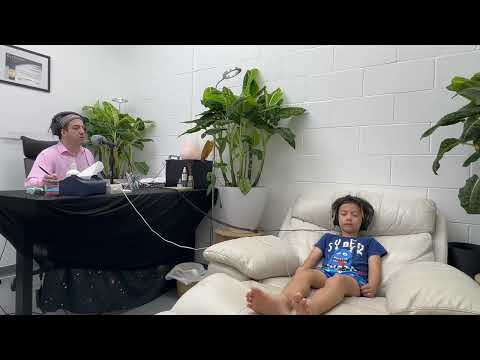
[EMBED CONFIDENCE HYPNOSIS FOR KIDS VIDEO HERE]
What Does Low Confidence Look Like in Children?
Low confidence does not always look like:
A child saying:
“I Don't Believe in Myself.”
It may look like:
Avoiding new things.
Giving up quickly.
Constantly asking:
“Is This Right?”
Needing reassurance.
Hiding behind parents.
Not speaking to adults.
Being afraid to answer questions.
Avoiding sport.
Becoming extremely upset by mistakes.
Comparing themselves with other children.
Saying:
“I Can't.”
Or:
Waiting for someone else to:
Do it for them
Confidence Can Disappear in Specific Situations
A child can be:
Confident at home.
But nervous:
At school.
Confident with family.
But quiet:
Around strangers.
Confident in training.
But anxious:
During competition.
Confident socially.
But terrified:
Of making mistakes.
So Confidence Is Not Always:
Something a child:
Has.
Or:
Doesn't have.
It may depend on:
The situation
The Better Question Is:
“Where does my child stop trusting themselves?”
That question can reveal:
What actually needs support.
Confidence Is Built through Experience
Parents naturally tell children:
“You're Amazing.”
“You're Smart.”
“You're Brave.”
Those words can be encouraging.
But confidence becomes stronger when children experience:
Evidence
They tried.
They answered.
They asked.
They stayed.
They made a mistake.
They recovered.
They solved something.
They went back.
The Child Starts Thinking:
“I've done difficult things before.”
That can become:
More powerful than:
Constant reassurance.
Confidence Is Not Something You Give a Child
You can:
Encourage it.
Support it.
Model it.
Create opportunities for it.
But eventually:
The child needs experiences that allow them to think:
“I did that.”
That Is Why Small Responsibilities Matter
Age-appropriate confidence might grow from:
Packing a school bag.
Ordering their own food.
Choosing between two options.
Talking to a receptionist.
Asking a teacher a question.
Carrying their own belongings.
Introducing themselves.
Helping prepare something.
Speaking when spoken to.
Or:
Trying before asking for help.
Small Independence Creates:
Small evidence
And:
Small evidence:
Repeated often:
Can become:
Self-trust
The Reassurance Trap
A child asks:
“Will I Be Okay?”
Parent:
“Yes.”
Child:
“Are You Sure?”
Parent:
“Yes.”
Child:
“Promise?”
For a moment:
Anxiety reduces.
But:
If this happens constantly:
The child may accidentally learn:
“I need someone else to make me feel okay.”
A Confidence-Building Response Might Be:
“What do you think will happen?”
“What happened last time?”
“What could you do if you felt nervous?”
“Who could help you?”
“What do you already know?”
The Shift Is from:
“Tell me I can cope.”
Toward:
“I know some ways I can cope.”
Confidence and Fear of Failure
Many children lose confidence because they become afraid of:
Getting things wrong.
They might believe:
“If I fail, I'm not good.”
Then they:
Avoid.
Refuse.
Quit.
Or:
Only attempt things they already know they can do.
But Confidence Requires:
The possibility of getting something wrong
Because:
A child cannot learn:
“I can recover.”
If they never experience:
A mistake.
Failure Is Information
Instead of:
“You Failed.”
Try:
“What did that teach you?”
Instead of:
“That's Wrong.”
Try:
“What could you change?”
Confidence Begins to Grow When:
Mistakes become:
Something to learn from.
Not:
Evidence of personal inadequacy
The Confidence of Being a Beginner
Children sometimes compare:
Their beginning:
With somebody else's:
Experience.
They think:
“They're Better Than Me.”
Maybe they are:
Right now.
That does not mean:
The child cannot:
Improve.
Teach:
“Being new at something is allowed.”
The Power of “Yet”
Child says:
“I Can't Do It.”
Add:
“Yet.”
“You Can't Do It Yet.”
That one word changes:
Identity.
Into:
Development.
Confidence at School
School may challenge confidence through:
Teachers.
Classmates.
Academic work.
Reading aloud.
Presentations.
Tests.
Being corrected.
Sport.
Making friends.
Or:
Answering questions.
A Child Might Think:
“If I Answer Wrong, Everyone Will Think I'm Stupid.”
A More Resilient Message Is:
“I can answer without needing certainty.”
School Confidence Can Mean:
Raising a hand.
Trying the question.
Asking for help.
Walking into class.
Speaking to a teacher.
Joining a group.
And:
Recovering from embarrassment
Confidence around Teachers
Some children become:
Very nervous around:
Authority.
They may:
Freeze.
Go quiet.
Forget what they wanted to say.
Avoid asking questions.
Assume:
Correction means trouble.
Confidence Can Help a Child Learn:
“I can respect my teacher and still use my voice.”
“I can ask questions.”
“I can explain myself.”
“I can make a mistake without being a bad child.”
Respect Does Not Need:
Fear
Confidence around Other Children
Social situations can trigger thoughts like:
“What if they don't like me?”
“What if they say no?”
“What if they laugh?”
Confidence does not guarantee:
Acceptance.
It supports:
Trying.
Speaking.
Joining.
And:
Recovering.
A Child Can Learn:
“Someone saying no does not decide my value.”
Practising Social Confidence
At home:
Role-play:
“Can I Play?”
“What's Your Name?”
“Can I Sit Here?”
“Do You Want to Play?”
“Can I Have a Turn?”
Practice Creates:
Familiarity.
Familiarity can make:
Real situations:
Feel less unknown
Confidence and Rejection
Children will sometimes:
Be left out.
Hear:
No.
Lose friendships.
Have awkward moments.
Confidence does not require:
Protecting them from:
Every possible rejection.
It can help them learn:
“This hurts, but I can recover.”
Confidence in Sport
Sports confidence may involve:
Fear of losing.
Fear of disappointing a coach.
Being watched.
Making mistakes.
Comparison.
Competition.
Healthy sports confidence is not:
“I must win.”
It is:
“I can compete and keep learning.”
Confidence after Losing
A child can:
Lose.
Be disappointed.
Feel upset.
And:
Still remain:
Confident.
The Useful Question Is:
“What happens next?”
Review.
Learn.
Train.
Return.
Confidence Is Often Found:
In the comeback
Confidence and Perfectionism
A perfectionistic child may:
Appear highly motivated.
But underneath:
There may be:
Fear.
They might:
Avoid things they cannot do perfectly.
Ask for repeated checking.
Become angry with themselves.
Or:
Refuse to start.
Confidence Says:
“I can do something imperfectly and still be okay.”
Confidence Does Not Need:
Perfect grades.
Perfect behaviour.
Perfect sport performance.
Perfect social skills.
It Needs:
Enough self-trust to continue learning
Confidence after Being Corrected
Some children hear:
Correction.
And interpret it as:
“I'm bad.”
But:
Correction can simply mean:
Something needs:
Changing.
Teach the Difference between:
“I did something wrong.”
And:
“Something is wrong with me.”
Confidence and Independence
Children build confidence by:
Doing more for themselves.
That does not mean:
Withdrawing support.
It means:
Giving them:
A chance.
Child says:
“You Do It.”
Try:
“What part can you do?”
Maybe:
They do:
10%.
Then:
30%.
Then:
More.
Independence Can Grow:
Gradually
Let Children Answer
Another adult asks:
“What's Your Name?”
Sometimes:
Parents answer instantly.
If the child is capable:
Pause.
Give:
A few seconds.
That silence may give the child:
Space to find their voice
Confidence in Decision-Making
Some children ask:
“Which One Should I Choose?”
About:
Everything.
Give manageable choices.
“Red or blue?”
“This activity or that one?”
“Homework first or shower first?”
Making decisions teaches:
“I can choose.”
Confidence and Assertiveness
Confidence includes:
Being able to say:
“No.”
“Please Stop.”
“I Don't Like That.”
“Can I Have a Turn?”
“I Need Help.”
Assertiveness Is Not:
Aggression.
It does not require:
Shouting.
Bullying.
Dominating.
A confident child can be:
Calm and firm
Confidence and Boundaries
Children should know:
Their voice matters.
They should be able to:
Tell trusted adults.
Speak about:
Bullying.
Say when something feels wrong.
Ask for help.
Confidence should never mean:
Blind obedience
Quiet Confidence
A child does not need to become:
Loud.
Extroverted.
Highly social.
Or:
The centre of attention.
Quiet confidence can look like:
Knowing what you think.
Speaking when needed.
Being comfortable alone.
Taking time to warm up.
Making decisions.
And:
Not abandoning yourself to please everyone else
Do Not Treat Introversion as a Problem
Some children simply prefer:
Smaller groups.
More time.
Quieter environments.
Confidence work should not:
Try to erase:
Personality.
The Goal Is:
Freedom
So the child can:
Act according to:
Their needs.
Values.
Interests.
Instead of:
Fear unnecessarily deciding for them.
Confidence Hypnosis for Kids
Children naturally use:
Imagination.
Stories.
Pretend.
Characters.
Focused attention.
And:
Mental rehearsal.
Child-friendly hypnosis may build on these abilities.
A session may include:
Relaxation.
Confidence imagery.
Remembering past success.
Brave characters.
Future rehearsal.
Positive suggestion.
Calm-body skills.
And:
Imagining responding differently to challenging situations
Hypnosis Can Rehearse More Than Success
A useful confidence exercise does not need to imagine:
Everything going:
Perfectly.
It can imagine:
A mistake.
A pause.
A correction.
A rejection.
A nervous feeling.
Then:
Recovery
Because Real Confidence Is Not:
“Nothing goes wrong.”
It is:
“I trust myself to deal with what happens.”
The Confidence Memory Exercise
Ask:
“What is something that used to be difficult?”
Maybe:
Swimming.
Reading.
Cycling.
School.
Sport.
Talking to someone.
Ask:
“How did it become easier?”
Usually:
Practice.
Repetition.
Help.
Experience.
This reminds the child:
“Difficulty can change.”
The Confidence Backpack Exercise
Ask the child to imagine:
A backpack.
Inside are:
Things they have already learned.
Moments they:
Tried.
Spoke.
Recovered.
Solved problems.
Asked for help.
Every challenge they handle:
Adds:
Another item.
The backpack becomes:
Evidence of capability
The Confidence Dial
Ask the child:
Imagine:
Confidence has a dial:
0 to 10.
They do not need:
Ask:
“Could you turn it up from 3 to 4?”
Sometimes:
One small increase:
Is enough.
Confidence Does Not Have to Be:
All or nothing
The Future-Self Exercise
Ask:
“Imagine you have practised this many times.”
What does future-you:
Think?
Say?
Do?
Then:
“Can you borrow a little from that version of you?”
The One-Step Challenge
Ask:
“What would you do if you were 10% more confident?”
Maybe:
Raise a hand.
Say hello.
Ask.
Try.
Speak.
Go in.
Stay a little longer.
Then:
Do:
One manageable step
Direct Suggestions for Children's Confidence
Depending on the individual child, suggestions might include:
You can try even when you're not completely sure.
You can ask for help.
You can use your voice.
You can make choices.
You can learn from mistakes.
You can take your time.
You don't need everybody to approve of you.
You can handle someone saying no.
You can feel nervous and still participate.
You can be quiet and still be confident.
You can recover after disappointment.
You can become more independent little by little.
You can remember what you have already learned.
You can trust yourself more through practice.
Confidence Should Not Be Forced
A child should not be:
Shamed.
Pressured.
Threatened.
Or:
Forced into:
A performance.
Hypnosis should not be used to make a child:
More obedient.
More convenient.
Less expressive.
Or:
Different simply because adults prefer it.
The Child Should Remain:
Aware.
Responsive.
Able to speak.
Able to move.
And:
Able to stop
Does My Child Have to Close Their Eyes?
No.
Some children prefer:
Eyes closed.
Some:
Open.
Neither response proves:
Whether hypnosis is:
Working.
Child-Friendly Means:
Flexible
No Forced Disclosure
A child should not be pressured to:
Tell:
Everything.
Hypnosis does not require:
A child to reveal:
Private information.
No Hidden-Memory Recovery
Hypnosis should not be used to:
Search for.
Recover.
Prove.
Or:
Verify:
Supposed hidden memories.
Suggestive questioning can influence:
Recall.
Children's work should remain:
Present-focused.
Safe.
Developmentally appropriate.
And:
Safeguarding-aware
Confidence and Neurodiversity
Children differ in:
Communication.
Eye contact.
Sensory needs.
Social style.
Attention.
Emotional regulation.
Confidence work should not require:
A child to:
Mask.
Perform.
Or:
Appear neurotypical.
The Aim Should Be:
Confidence within the child's own way of functioning
No Forced Eye Contact
Eye contact is not:
A universal measure of:
Confidence.
Better Questions Are:
Can the child:
Communicate?
Express needs?
Ask for help?
Participate?
Make choices?
Confidence Is about:
Function and self-trust
Not:
Appearance.
Parent and Guardian Involvement
For children's hypnosis:
Parent or legal guardian involvement is important.
The child should also:
Understand what is happening:
At an age-appropriate level.
Feel comfortable.
Be respected.
And:
Be willing to participate
How Parents Can Build Confidence Every Day
Parents can create confidence opportunities by:
Giving age-appropriate responsibility.
Offering manageable choices.
Letting children speak for themselves.
Allowing safe mistakes.
Encouraging brave attempts.
Avoiding unnecessary rescue.
And:
Praising specific effort
Praise the Process
Instead of only:
“You're So Clever.”
Try:
“You Kept Trying.”
“You Asked for Help.”
“You Were Nervous and Still Did It.”
“You Made a Mistake and Fixed It.”
This shows the child:
What they did that was effective
Avoid Comparison
Avoid:
“Your Sister Isn't Scared.”
“Look How Confident He Is.”
Comparison can create:
Shame.
Compare instead:
The child today.
With:
The child previously.
“That used to be harder for you.”
Confidence Is Personal Progress
Not:
Ranking.
When Confidence Problems May Need More Support
Sometimes what appears to be:
Low confidence.
May be connected with:
Significant anxiety.
Bullying.
Learning difficulties.
Speech or language concerns.
Hearing concerns.
Developmental differences.
Low mood.
Trauma.
Sensory difficulties.
Or:
Other concerns.
Appropriate professional assessment may be important when difficulties significantly interfere with:
School.
Friendships.
Play.
Sleep.
Eating.
Family life.
Or:
Everyday development.
Hypnotherapy Is Complementary
Children's hypnotherapy should not replace appropriate:
GP.
Paediatric.
Psychological.
Educational.
Speech pathology.
Occupational therapy.
Developmental.
Or:
safeguarding support
Why Choose Clive Westwood for Confidence Hypnosis for Kids Brisbane?
Helping Clients Since 2013
Clive Westwood has been helping clients through clinical hypnotherapy since 2013.
His work includes people seeking support involving:
Confidence.
Anxiety.
Fear.
Nervousness.
Overthinking.
Performance.
And:
anxiety-related patterns
Personalised Children's Hypnotherapy
One child may need confidence around:
School.
Another:
Teachers.
Another:
Friends.
Another:
Sport.
Another:
Mistakes.
Another:
Trying new things.
So the session should not simply repeat:
“Be Confident.”
The useful focus is:
“What stops this child trusting themselves in this particular situation?”
Child-Friendly Approach
Children respond differently from:
Adults.
A child-focused approach may use:
Stories.
Imagination.
Games.
Characters.
Mental rehearsal.
Relaxation.
Simple direct suggestions.
And:
Language matched to the child's age
Frequently Asked Questions about Confidence Hypnosis for Kids
Can Hypnosis Help My Child Become More Confident?
Hypnotherapy may support confidence, anxiety-related patterns and mental rehearsal for some children.
No specific outcome should be guaranteed.
Can Hypnosis Help a Shy Child?
It may support excessive social fear or self-consciousness where these are limiting the child.
Natural introversion or quietness does not need treatment.
Can Hypnosis Help Confidence at School?
It may support anxiety-related patterns involving teachers, classmates, mistakes, tests or presentations.
Can Hypnosis Help Fear of Teachers?
It may support excessive nervousness around authority where appropriate.
Real concerns involving intimidation, bullying or unsafe behaviour should be addressed directly.
Can Hypnosis Help Social Confidence?
It may support nervousness involving speaking, joining in, approaching others and handling rejection.
Can Hypnosis Help Fear of Failure?
It may support perfectionistic fears and willingness to try.
Can Hypnosis Help My Child after a Mistake?
Mental rehearsal and confidence work may support emotional recovery and a more flexible response to mistakes.
Can Hypnosis Help Sports Confidence?
It may support performance nerves, fear of failure and mental rehearsal.
Can Hypnosis Help My Child Stop Comparing Themselves?
It may support confidence and attention patterns, although comparison is influenced by many factors.
Can Hypnosis Help My Child Become More Independent?
It may support confidence where anxiety or self-doubt is a barrier.
Everyday opportunities for age-appropriate independence are also important.
Will My Child Lose Control?
No.
Will My Child Be Unconscious?
No.
Does My Child Need to Close Their Eyes?
No.
Can Hypnosis Make My Child Obedient?
Responsible child-focused hypnosis should not be used for forced obedience.
Can Hypnosis Change My Child's Personality?
That should not be the goal.
Does My Child Need to Tell Everything?
No.
Children should not be forced to disclose private information.
How Many Hypnotherapy Sessions Will My Child Need?
Every child and concern is different.
No exact number of sessions or outcome should be guaranteed.
Confidence Hypnosis for Kids Brisbane
Confidence is not:
“I know I'll succeed.”
It is:
“I'm willing to try.”
Confidence is not:
“I never get nervous.”
It is:
“I can still act when I'm nervous.”
Confidence is not:
“I never make mistakes.”
It is:
“I can learn from them.”
Confidence is not:
“Everyone approves of me.”
It is:
“I don't lose myself when somebody doesn't.”
Confidence is not:
“I never need help.”
It is:
“I trust myself enough to know when to ask.”
Real Confidence Is:
A child gradually accumulating enough lived experience to think:
“I Can Try.”
“I Can Choose.”
“I Can Speak.”
“I Can Learn.”
“I Can Recover.”
“I Can Ask for Help.”
And:
“I trust myself more than I used to.”
Clive Westwood provides personalised confidence hypnosis for kids in Brisbane for childhood anxiety, shyness, school confidence, social nervousness, fear of teachers, fear of mistakes, perfectionism, sports confidence and related patterns, where hypnotherapy is appropriate for the individual child.
The purpose of confidence hypnosis for kids is not to manufacture a louder or tougher personality. It is to help children develop self-trust—the growing belief, supported by experience, that they can try, speak, learn, make mistakes, recover, ask for help and gradually become more capable without needing constant reassurance from everyone around them.
You ready? Just let your eyes close. Just relax and focus your attention on the rise and fall of your breath.
With each breath you take you notice yourself relaxing
the furthermore. You allow yourself to relax for better.
you feel. And the better you feel, the more you allow yourself to relax.
As that relaxation
drifts throughout your body and your mind, I want you to imagine a beautiful flight of stairs And there are 10 steps on this beautiful flight of stairs. And each step you take down you find yourself 10 times more. relaxed starting from now. 10. Take the first comfortable step down now completely at peace in every way.
Nine. Going down deeper and deeper down.
Eight. Clearing your mind completely as you let go from deep within.
Seven. Going down deeper and deeper down.
Six. Letting go of all worries, all concerns
and all resistance. Delete from your mind.
Five. Halfway down now. Feeling safe. circular much more relaxed than ever before.
Four. Going down deeper and deeper. Down, down, down.
Free. Clearing your mind. Being at peace in every way as you let go
to going down deeper and deeper Down, down, down.
One almost at the basement of relaxation.
Feeling safe, secure, much more, relaxed than ever before.
Zero. You are now at the basement of relaxation,
feeling safe, secure, much more, relaxed than ever before.
And now I want you to imagine a safe place. This can be a real place you have been to before. What could just as effectively be a fantasy place in your mind coming out of this safe place into a comfortable Room. A room for change. A room to become who you want to be.
Feeling confident.
Feeling powerful and strong.
Knowing that you can easily
empower that inner strength
as you clear your mind.
Deleting
All doubt
or anxiety disappears
as you feel completely confident and at peace
being
calm.
relaxed
and confident at all times.
As you believe in yourself,
feeling safe, secure, much more confident than ever before.
And now I want you to imagine a stop sign in your mind. This can be whatever you want that represents. Stop. And now if there's any association with any anxiety, your mind says, "Stop really loud and clear. Stop from the back to the front of your mind. Stop and you take a deep breath and feel calm and confident at all times.
Believing in yourself is easy for you. Now
feeling that inner strength
to keep going and expanding that confidence within you.
Being calm,
relaxed, and at peace in every way.
Clearing,
silencing
your mind
with every breath. You take
being calm, relaxed,
and at peace
as you feel
completely confident.
and calm.
And now if there's any association
with any anxiety, your mind says, "Stop really loud. and clear. Stop from the back to the front of your mind. Stop and you take a deep breath and allow yourself to relax
completely
and feel calm and complete. completely confident
in every way at all times.
Being the best version of yourself in every moment, believing in yourself completely as you let go.
Feeling calm
and confident in every way.
As all of the changes and suggestions take place from now on for the rest of your life. In the moment I will count from one to five and on for count of five I will say fully aware. One feeling safeure completely at peace. Two, clearing, silencing your mind. Three, being calm and confident in every way. Four. On next number, I will say fully aware and all of their changes and suggestions take place from now on for the rest of your life. Five. Fully aware. Open your eyes.