Fear of Teachers Shouting Hypnosis | Award Winning Anxiety Hypnotherapy Brisbane | Clive Westwood
Fear of Teachers Shouting Hypnosis | Award Winning Anxiety Hypnotherapy Brisbane | Clive Westwood
Fear of Teachers Shouting Hypnosis Brisbane — Helping Children and Teenagers Feel Safer and More Confident at School
A teacher raises their voice.
Maybe:
They aren't even shouting at you.
But immediately:
Your stomach tightens.
Your heart beats faster.
You freeze.
You become:
Quiet.
Alert.
Nervous.
And start thinking:
“Am I Going to Get in Trouble?”
For some children and teenagers, a loud or stern teacher can feel enormously intimidating.
Even when they have:
Done nothing wrong.
They may spend the lesson:
Watching the teacher.
Monitoring their mood.
Trying not to make a mistake.
And waiting for:
The Next Shout
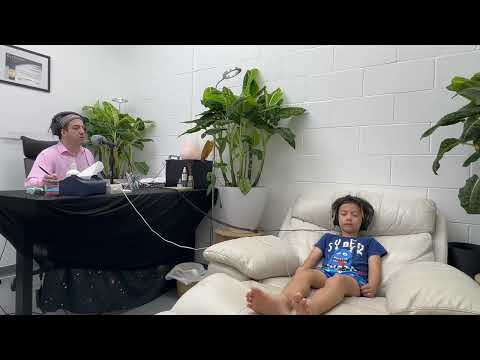
This Fear of Teachers Shouting Hypnosis is designed to support children and teenagers who experience anxiety, fear, freezing or excessive nervousness around raised voices and authority figures at school.
[EMBED FEAR OF TEACHERS SHOUTING HYPNOSIS VIDEO HERE]
When a Teacher's Voice Feels Frightening
Different children respond differently to:
Loud voices.
Some:
Barely notice.
Others:
Jump.
Freeze.
Cry.
Feel sick.
Become extremely quiet.
Or desperately try to avoid attracting attention
“Don't Let the Teacher Notice Me”
You may:
Avoid putting your hand up.
Avoid asking questions.
Speak quietly.
Avoid eye contact.
Sit perfectly still.
And Try to Become Invisible
Not because:
You don't know the answer.
But because:
Attention Feels Dangerous
Fear of Getting into Trouble
You may constantly wonder:
“Did I do something wrong?”
“Are they angry with me?”
“What if they shout at me?”
“What if I get embarrassed?”
“What if everyone looks at me?”
Even When Nothing Has Happened Yet
Anticipatory School Anxiety
The fear can begin:
Before school.
Sunday evening.
At breakfast.
In the car.
Walking through the school gate.
Or before one particular lesson
The Teacher Isn't Shouting Yet
But your body is already:
Preparing for it.
Fear Can Become Hypervigilance
You monitor:
The teacher's face.
Voice.
Movements.
Mood.
Looking for Signs That Something Might Go Wrong
A Raised Voice Can Trigger a Strong Physical Reaction
You may notice:
racing heart
butterflies
nausea
shaking
sweating
tight chest
tense shoulders
feeling hot
feeling frozen
difficulty speaking
difficulty concentrating
feeling like crying
wanting to escape
needing the toilet
feeling sick before school
Physical symptoms should not automatically be assumed to be anxiety. Persistent, severe or unexplained symptoms deserve appropriate medical assessment.
The Freeze Response
Not everybody responds to fear by:
Running.
Some people:
Freeze
Your mind may suddenly:
Go blank.
You know:
What you want to say.
But:
The Words Don't Come Out
Then Afterwards
You think:
“Why didn't I say anything?”
“Why couldn't I answer?”
“Why am I so scared?”
And:
You Can Become Frustrated with Yourself
Freezing Does Not Mean You Are Weak
It can be:
An automatic response to feeling threatened or overwhelmed.
The goal is not:
Shaming yourself for freezing.
It is:
Learning Different Ways to Respond
Fear of Authority
Sometimes the fear is broader than:
One teacher.
You may become nervous around:
Teachers.
Principals.
Coaches.
Tutors.
Adults who sound stern.
Or Other Authority Figures
“I Don't Want to Get in Trouble”
You may become:
Extremely compliant.
Over-apologetic.
Quiet.
Afraid to disagree.
Afraid to ask for help.
Even When You Have Done Nothing Wrong
Fear of Making Mistakes in Class
You know the answer.
But think:
“What if I'm wrong?”
So:
You don't raise your hand.
You Have a Question
But:
“What if the teacher gets annoyed?”
So:
You Stay Confused Instead
Fear Can Interfere with Learning
When much of your attention is focused on:
“Is the teacher angry?”
There may be less attention available for:
Listening.
Learning.
Remembering.
Participating.
And Enjoying School
Fear of Being Shouted at in Front of the Class
Sometimes:
The shouting itself is only part of the fear.
The bigger fear is:
Everybody Looking at You
You imagine:
Being corrected.
Going red.
Freezing.
Classmates watching.
Feeling embarrassed.
Then Replaying It Afterwards
Social Anxiety Can Become Part of the Pattern
You may fear:
The teacher.
And:
The reaction of:
Everyone Else in the Room
Fear of a Particular Teacher
Perhaps you feel:
Fine with most teachers.
But:
One particular teacher feels:
Loud.
Strict.
Unpredictable.
Intimidating.
Or Difficult to Read
Your Anxiety May Rise before That Lesson
You know:
Which day.
Which period.
Which classroom.
And:
Your Mind Starts Preparing for Danger in Advance
Fear of Teachers Shouting Hypnosis Brisbane
Hypnotherapy may support anxiety-related patterns involving:
fear of teachers shouting
fear of strict teachers
fear of angry teachers
fear of getting into trouble
fear of authority
school anxiety
classroom anxiety
fear of being told off
fear of embarrassment
fear of making mistakes
fear of answering questions
fear of putting your hand up
freezing around teachers
school-related anticipatory anxiety
social anxiety at school
fear of speaking in class
excessive apologising
difficulty asking teachers for help
But There Is an Important Difference
There is a difference between:
Anxiety about an appropriate boundary or correction
And:
A Child Feeling Genuinely Unsafe, Humiliated or Intimidated
Hypnosis Should Never Be Used to Teach a Child to Tolerate Inappropriate Behaviour
If a child reports:
Threats.
Bullying.
Humiliation.
Discrimination.
Physical intimidation.
Inappropriate punishment.
Abuse.
Or behaviour that raises safeguarding concerns:
The Priority Is the Child's Safety
Parents, carers and appropriate school or professional channels should investigate the situation.
The Goal Is Not:
“Teachers can shout at you and you shouldn't care.”
A better goal can be:
Developing Proportionate Confidence while Maintaining Appropriate Boundaries
You Can Respect a Teacher without Being Terrified of Them
Respect does not require:
Fear.
A Teacher Can Correct You
Without that meaning:
You Are a Bad Person
You Can Make a Mistake
Without:
Everything going wrong.
You Can Ask a Question
Without needing:
Perfect confidence first.
You Can Speak
Even when:
Your voice feels:
A little nervous.
Hypnosis for Classroom Confidence
Hypnotherapy may support:
Calmer attention.
Confidence.
Mental rehearsal.
Reducing excessive anticipatory fear.
Changing automatic responses to appropriate classroom situations.
Feeling more capable of speaking when necessary
Mental Rehearsal
Imagine:
Walking into class.
Sitting down.
Breathing normally.
Listening.
Learning.
The Teacher Speaks Firmly
And instead of immediately thinking:
“I'm in danger.”
You notice:
“They're Speaking Loudly”
Sound Is Information
You can determine:
Is this:
About me?
Is there:
Something I need to do?
If yes:
Respond appropriately.
If no:
Return Your Attention to What You Were Doing
When the Teacher Corrects You
Perhaps:
You made a mistake.
That can happen.
Listen
Understand.
Correct it if necessary.
Then:
Continue
You Don't Need to Carry the Correction All Day
A teacher saying:
“Please stop talking.”
Does not necessarily mean:
“The teacher hates me.”
Separate the Behaviour from Your Identity
Perhaps:
Something you did:
Needed correcting.
That does not automatically mean:
Something Is Wrong with You
Fear of Being Wrong
Imagine being asked:
A question.
You answer.
Perhaps:
You're correct.
Perhaps:
You're not.
Either Way
You can:
Continue.
Learning Requires Not Knowing Everything Already
Confidence Does Not Mean Never Feeling Nervous
You can feel:
A little nervous.
And:
Still speak.
Still ask.
Still participate.
Still Be Yourself
Direct Hypnotic Suggestions for Classroom Confidence
Depending on the child's age, needs and circumstances, appropriate suggestions might include:
A loud voice does not automatically mean you are in danger.
You can listen to what is actually being said instead of automatically imagining the worst.
You can make mistakes and continue learning.
You can ask for help when you need it.
You can speak even when you feel a little nervous.
You do not need to become invisible to feel safe.
You can respect adults while still recognising your own boundaries.
You can tell a trusted adult when something genuinely concerns you.
You can focus more on learning and less on monitoring everyone else's mood.
What If the Teacher Shouts at Someone Else?
A teacher may:
Raise their voice across the classroom.
And:
Your body reacts as though:
You Are the One in Trouble
Notice:
“This Is Not About Me”
Return attention to:
Your work.
Your breathing.
What is happening:
In Your Immediate Situation
What If I Really Am in Trouble?
Then:
Listen.
Find out:
What happened.
Respond appropriately.
If you made a mistake:
Correct it.
Getting Corrected Does Not Need to Become Catastrophic
It can be:
Uncomfortable.
Without becoming:
Terrifying
What If I Think the Teacher Is Being Unfair?
Children and teenagers should be encouraged to:
Speak with a parent.
Carer.
Trusted teacher.
School counsellor.
Or another appropriate adult.
Confidence Does Not Mean Handling Everything Alone
Asking for:
Help.
Can itself be:
Confident Behaviour
What Does Hypnosis Feel Like?
Hypnosis may involve:
Focused attention.
Relaxation.
Imagination.
Mental rehearsal.
Direct suggestions.
The Child or Teenager Remains Aware
Hypnosis Is Not Mind Control
The young person should:
Remain able to communicate.
Retain choice.
And:
Be Able to Stop
A Child Should Not Be Forced to Be Hypnotised
The young person should be:
Willing.
Comfortable.
And appropriately involved in:
The Decision to Participate
Hypnosis Should Not Require Forced Disclosure
A child should not have to:
Reveal private information.
Describe frightening experiences in detail.
Relive upsetting events.
Or perform emotionally for the therapist
No Forced Eye Closure
If a child or teenager is more comfortable:
Keeping their eyes open.
That can be accommodated where appropriate.
No Forced Exposure
The objective is not:
To frighten the child until they “get over it.”
Any exposure-based psychological work should be:
Appropriate.
Gradual.
Consensual.
And professionally guided where required
Parent and Guardian Involvement
For children and teenagers, appropriate parent or legal guardian involvement is important.
The child's:
Age.
Development.
Willingness.
Needs.
Safety.
And Individual Circumstances Matter
Why Choose Clive Westwood for School Anxiety Hypnotherapy Brisbane?
Helping Clients Since 2013
Clive Westwood has been helping clients through clinical hypnotherapy since 2013.
His work includes people seeking support involving:
Anxiety.
Confidence.
Fear.
Social anxiety.
Performance anxiety.
School-related fears.
And repetitive anxiety patterns
Personalised Approach
“I'm scared of teachers” can mean:
Different things.
One child fears:
Being shouted at.
Another:
Getting answers wrong.
Another:
Being embarrassed.
Another:
A Specific Teacher
Understanding the Specific Fear Matters
A personalised approach may explore:
When does the fear happen?
What does the child predict?
What happens physically?
What do they avoid?
What would they like to be able to do differently?
Child-Friendly and Non-Shaming
The goal should never be:
“You're being silly.”
Fear can feel:
Very real.
Even when:
The feared outcome is unlikely
Face-to-Face Hypnotherapy Brisbane
Face-to-face hypnotherapy appointments are available in Brisbane.
Frequently Asked Questions about Fear of Teachers Shouting Hypnosis
Can Hypnosis Help Fear of Teachers Shouting?
Hypnotherapy may provide complementary support for anxiety and fear responses for some children and teenagers.
No particular outcome should be guaranteed.
Can Hypnosis Help School Anxiety?
It may support some anxiety-related patterns around school.
Persistent or severe school anxiety deserves appropriate assessment.
Can Hypnosis Help a Child Who Freezes around Teachers?
It may support anxiety, confidence and mental rehearsal.
The underlying reasons for freezing should also be considered.
Can Hypnosis Help Fear of Strict Teachers?
It may support excessive fear responses while still allowing the young person to recognise appropriate authority and genuine boundaries.
Can Hypnosis Help Fear of Getting into Trouble?
It may support excessive anticipatory fear and catastrophic thinking around correction or discipline.
Can Hypnosis Help Fear of Being Told Off?
It may support the emotional response to appropriate correction.
It should not be used to normalise genuinely inappropriate treatment.
Can Hypnosis Help a Child Speak Up in Class?
It may support confidence and anxiety-related barriers to participation.
Can Hypnosis Help Fear of Answering Questions?
It may support fear of mistakes, embarrassment and judgement.
Can Hypnosis Help Fear of Raising a Hand in Class?
It may support classroom confidence and fear of attracting attention.
Can Hypnosis Help Fear of Asking a Teacher for Help?
It may support confidence around appropriate communication.
What If the Teacher Really Is Shouting at My Child?
The situation should be understood rather than automatically treating the child's response as the problem.
If there are concerns about inappropriate, intimidating, humiliating or unsafe behaviour, parents or carers should use appropriate school and safeguarding channels.
Should My Child Just Learn to Ignore Shouting?
No.
The aim is proportionate confidence, not teaching children to ignore genuine problems.
Does My Child Have to Talk about Everything?
No.
Hypnosis should not require forced disclosure.
Does My Child Have to Close Their Eyes?
Not necessarily.
Will My Child Lose Control?
No.
Will My Child Be Unconscious?
No.
Can My Child Stop?
Yes.
Can Hypnosis Change What Actually Happens at School?
No.
Hypnosis cannot control:
Teachers.
Classmates.
School policies.
Or external circumstances.
It may support how the young person responds internally and behaviourally.
What If My Child Refuses to Go to School?
Persistent school refusal or severe distress deserves broader assessment and support involving the family, school and appropriately qualified health or mental-health professionals where needed.
Does Hypnotherapy Replace a Psychologist or Paediatrician?
No.
Hypnotherapy should complement rather than replace appropriate medical, psychological, paediatric, educational or other professional care.
You Do Not Need to Be the Perfect Student
You can:
Get something wrong.
Ask for clarification.
Need help.
Make a mistake.
And Still Be Okay
You Don't Need to Watch the Teacher Every Second
You can:
Listen.
Learn.
Participate.
And:
Put More Attention on Your Education than on Predicting Someone Else's Mood
And If Something Genuinely Doesn't Feel Right
You can:
Tell:
A parent.
Carer.
Trusted teacher.
Counsellor.
Or Another Safe Adult
Confidence Is Not Silence
Confidence can include:
Knowing when:
You're okay.
Knowing when:
You made a mistake.
And knowing when:
You Need to Speak Up
Fear of Teachers Shouting Hypnosis Brisbane
Clive Westwood provides personalised hypnotherapy in Brisbane for school anxiety, fear of teachers, classroom confidence, social anxiety, fear of authority and related anxiety patterns, with appropriate parent or guardian involvement for children and teenagers.
The goal is not to teach a child that shouting never matters. It is to help them develop a more proportionate response—so an ordinary firm voice does not automatically feel like danger, while they still know they can speak to a trusted adult when something genuinely feels wrong.
🔊 Fear of Teachers Shouting Hypnosis | Calm, Safety & Emotional Control
Does a teacher raising their voice or shouting instantly trigger fear, panic, or shutdown?
This Fear of Teachers Shouting Hypnosis is designed to help your nervous system gently release fear linked to loud voices, authority, classrooms, and past school experiences.
Your reaction is not weakness.
It’s a learned survival response — and it can change.
This hypnosis helps your subconscious mind understand that raised voices no longer mean danger, allowing your body to stay calm, grounded, and in control.
🧠 This Hypnosis Can Help With
• Fear of teachers shouting or sounding angry
• Panic when authority figures raise their voice
• Freezing, crying, or shutting down at school
• Anxiety caused by past school experiences
• Fear of being in trouble or embarrassed
• Adult anxiety triggered by loud authority
Your body learns it can stay calm even when voices are loud.
🌿 What You May Notice
✔ Reduced fear response to shouting
✔ A calmer nervous system in classrooms
✔ Less emotional reactivity to loud voices
✔ More confidence and emotional safety
✔ Distance from past school memories
The volume outside no longer controls how you feel inside.
🎧 How To Use This Hypnosis
• Listen in a quiet, comfortable place
• Headphones recommended
• Do not listen while driving or operating machinery
• Simply listen — there’s nothing you need to do
Even if your mind wanders or you fall asleep, your subconscious continues to process.
🧘 Why Hypnosis Works for Fear of Shouting
Fear of shouting is often stored in the body, not logic.
Hypnosis gently retrains the nervous system to recognise that you are safe now, even when voices are raised.
No confrontation.
No reliving the past.
Just calm recalibration.
🔔 Subscribe for More Hypnosis
New sessions released regularly for:
• School & classroom anxiety
• Confidence around authority
• Fear & trauma release
• Emotional regulation
• Calm focus & safety
👉 Subscribe & turn on notifications to keep training calm confidence.
💬 Comment Below
If you feel comfortable:
• Does shouting trigger fear or shutdown for you?
• Did you notice a change after listening?
Your comment may help someone else feel less alone.
⚠️ Disclaimer
This content is for relaxation and personal development only and is not a substitute for professional medical or psychological treatment.