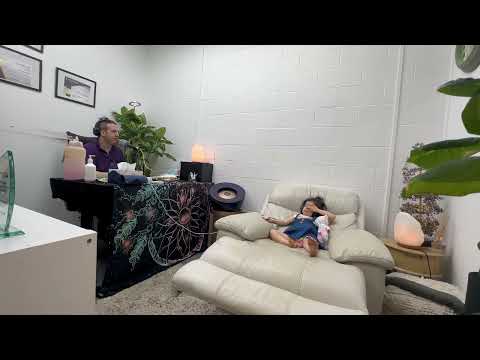
Health Anxiety Relief Hypnosis | Award Winning Anxiety Hypnotherapy Brisbane | Clive Westwood
Health Anxiety Relief Hypnosis | Award Winning Anxiety Hypnotherapy Brisbane | Clive Westwood
Hypnosis for Health Anxiety, Body Scanning, Symptom Checking and Fear of Serious Illness
You notice something.
A heartbeat.
A sensation.
A pain.
A lump.
A twitch.
A headache.
A change in breathing.
And suddenly your mind asks:
“What if this is something serious?”
Then the checking begins.
You feel it again.
Google it.
Compare symptoms.
Ask someone for reassurance.
Check your body.
Maybe book a medical appointment.
Feel temporarily reassured.
Then another sensation appears.
And the cycle begins again.
This Health Anxiety Relief Hypnosis with Clive Westwood is designed as complementary support for people who become excessively preoccupied with bodily sensations, symptoms, illness and the possibility that something may be seriously wrong.
[EMBED HEALTH ANXIETY RELIEF HYPNOSIS VIDEO HERE]
The aim is not to convince yourself:
“Nothing could ever be wrong with me.”
Nobody can responsibly promise that.
The aim is to develop a healthier relationship with:
Uncertainty.
Body sensations.
Medical reassurance.
Intrusive health thoughts.
And the urge to constantly check.
What Health Anxiety Can Feel Like
Health anxiety may involve repeatedly worrying that:
You have cancer.
You are having a heart attack.
You will have a stroke.
There is something wrong with your brain.
You have a neurological condition.
A symptom has been missed.
A doctor has overlooked something.
A small sensation means serious illness.
The fear can feel completely real.
The Health Anxiety Cycle
A common pattern can become:
Sensation → frightening interpretation → anxiety → stronger body sensations → checking → reassurance → temporary relief → another sensation
For example:
You notice your heart.
You think:
“That feels strange.”
Anxiety rises.
Your heart beats faster.
Now the faster heartbeat seems to confirm:
“Something really is wrong.”
The fear feeds the sensation.
And the sensation feeds the fear.
Physical Sensations Can Be Real
This is important.
Health anxiety does not mean:
“The sensations are imaginary.”
Anxiety itself can be associated with physical symptoms including a pounding heart, dizziness, sweating, trembling, shortness of breath and stomach sensations.
The sensation may be real.
The anxious interpretation may still be inaccurate.
Do Not Assume Every Symptom Is Anxiety
At the same time, hypnosis should never be used to dismiss:
New symptoms.
Severe symptoms.
Persistent symptoms.
Unexplained symptoms.
Or symptoms that are significantly worsening.
Appropriate medical assessment remains important.
Health Anxiety and Body Scanning
You may constantly scan:
Your chest.
Heart.
Head.
Neck.
Throat.
Skin.
Stomach.
Eyes.
Breathing.
Legs.
You are searching for evidence.
The More You Search, the More You Notice
Human bodies constantly produce sensations.
Most of the time we ignore them.
But when attention becomes intensely focused on the body, ordinary changes become highly noticeable.
Stop Running a 24-Hour Internal Medical Examination
You do not need to continuously check:
“How does my heart feel?”
“Is my breathing okay?”
“Does that side feel different?”
Health Anxiety and Googling Symptoms
You notice something.
Then type:
“Headache causes.”
Within minutes you are reading about rare neurological diseases.
Google Cannot Examine You
Searching symptoms online may produce possibilities ranging from harmless to severe.
That does not tell you which explanation applies to you.
The Google Reassurance Trap
You may start searching because you want reassurance.
But then find one frightening sentence.
Now you are more anxious.
So you search again.
Stop Trying to Diagnose Yourself at 1 AM
Use appropriate healthcare rather than endless internet investigation.
Healthdirect's Symptom Checker can help Australians decide what level of care may be appropriate, but Healthdirect explicitly states that it cannot diagnose you and does not replace professional healthcare.
Health Anxiety and Reassurance-Seeking
You may ask:
“Do you think this looks normal?”
“Are you sure I’m okay?”
“Would you be worried?”
Reassurance lowers anxiety.
For a while.
Then doubt returns.
The Problem With Endless Reassurance
Each time you seek reassurance, the mind may learn:
“I cannot tolerate uncertainty until somebody confirms I’m safe.”
Medical Assessment and Reassurance Are Not the Same Thing
Seeking appropriate medical care is sensible.
Repeatedly asking for certainty after appropriate assessment can become part of an anxiety cycle.
Health Anxiety After Seeing a Doctor
The doctor says:
“Everything looks okay.”
For twenty minutes:
Relief.
Then:
“But what if they missed something?”
The Second-Opinion Loop
Sometimes further medical assessment is clinically appropriate.
But health anxiety can create an endless demand for:
One more test.
One more opinion.
One more examination.
One more guarantee.
Anxiety Wants 100% Certainty
Medicine rarely provides absolute certainty about every possible future illness.
So the anxious mind asks:
“But how can they know for sure?”
Relief Requires Tolerating Some Uncertainty
Not recklessness.
Not ignoring symptoms.
But accepting that perfect certainty about the body is impossible.
Fear of Cancer
You notice:
A lump.
Pain.
Change.
Fatigue.
Weight change.
And immediately think:
“Cancer.”
Cancer concerns should be appropriately medically assessed.
But once appropriate medical guidance has been obtained, repeatedly checking the same area or endlessly searching for reassurance may keep anxiety active.
Fear of Heart Attack
You notice:
Chest sensations.
Heartbeat.
Tightness.
Breathing changes.
Then:
“Heart attack.”
New, severe or concerning chest pain—particularly when accompanied by symptoms such as severe breathlessness, collapse or other significant symptoms—requires urgent medical assessment.
Do not use hypnosis to convince yourself a medical emergency is anxiety.
Heart Anxiety After Medical Assessment
When heart symptoms have been appropriately investigated and anxiety has been identified as part of the pattern, you may still monitor:
Pulse.
Heartbeat.
Chest.
Smartwatch.
Blood pressure.
Stop Checking Every Beat
Your heart was never designed to become a full-time mental project.
Pulse Checking
You may check:
At your wrist.
Your neck.
On a smartwatch.
Again.
Again.
Again.
The checking gives temporary reassurance.
Then creates another reason to check.
Smartwatch Health Anxiety
Technology can make health monitoring easier.
But for some people, constant access to:
Heart rate.
Oxygen readings.
Sleep scores.
Fitness data.
Can increase hypervigilance.
Data Is Not Always Reassurance
More measurements can sometimes produce more questions.
Fear of Stroke
A sensation appears:
Tingling.
Dizziness.
Head pressure.
A strange feeling.
The mind jumps to:
“Stroke.”
Possible stroke symptoms require urgent emergency assessment.
Do not attempt to self-diagnose neurological emergencies through hypnosis or internet searching.
Fear of Brain Tumour
A headache may trigger:
“What if it’s a tumour?”
Headaches have many possible causes.
New, severe, unusual, persistent or concerning headaches should be medically assessed.
Headache Anxiety
The problem may become:
Headache.
Then fear.
Then checking.
Then tension.
Then more headache.
Fear of Neurological Disease
You notice:
Twitching.
Tingling.
Weakness.
A strange sensation.
You begin testing:
Grip strength.
Balance.
Walking.
Speech.
Coordination.
Self-Testing Can Become Another Compulsion
Appropriate neurological symptoms require medical assessment.
Repeatedly testing yourself after appropriate reassurance may increase your focus on normal variation.
Fear of Multiple Sclerosis
Health anxiety can latch onto specific diseases after:
Reading about them.
Watching a video.
Knowing somebody diagnosed.
Experiencing an unrelated symptom.
Fear of Motor Neurone Disease
A twitch appears.
Then you repeatedly test:
Muscles.
Strength.
Movement.
The fear becomes stronger than the original twitch.
Persistent weakness or neurological symptoms should receive medical assessment.
Fear of Dementia
You forget a word.
Misplace something.
Walk into a room and forget why.
Then think:
“Is this dementia?”
Memory changes that are persistent, worsening or concerning should be medically assessed.
But ordinary forgetfulness can become terrifying when interpreted through health anxiety.
Fear of Going Blind
You notice:
Floaters.
Blurred vision.
Eye sensation.
Then catastrophise.
New or significant vision changes require appropriate medical or optometric assessment.
Fear of Serious Eye Disease
Repeatedly testing:
Vision.
Peripheral vision.
Reading ability.
Eye movement.
Can become another reassurance habit.
Fear of Breathing Problems
You become conscious of breathing.
Then think:
“Am I getting enough air?”
You take deeper breaths.
Check again.
Breathing Becomes Manual
Something normally automatic suddenly feels as though you need to supervise it.
You Do Not Need to Manage Every Breath
Where respiratory symptoms have been appropriately assessed, hypnosis may help reduce excessive attention to breathing.
But new or severe breathing difficulty needs medical attention.
Fear of Choking
You swallow.
Notice your throat.
Think:
“What if it closes?”
Then swallowing becomes something you monitor.
Actual choking, swallowing difficulty or persistent throat symptoms require appropriate medical assessment.
Throat Anxiety
You may repeatedly:
Swallow.
Clear your throat.
Check the sensation.
Look in the mirror.
Fear of Allergic Reaction
You eat something.
Then scan:
Tongue.
Throat.
Skin.
Breathing.
Severe allergic reactions require urgent medical treatment.
Hypnosis should never delay emergency care.
Fear of Anaphylaxis
If you are at genuine risk of anaphylaxis, follow your medical action plan and prescribed emergency treatment.
The aim of anxiety treatment is not to ignore genuine medical risk.
It is to reduce unnecessary fear beyond the appropriate precautions.
Fear of Blood Clots
You notice:
Leg discomfort.
A sensation.
Tenderness.
Then become convinced of a clot.
Suspected blood clots require medical assessment.
Do not rely on self-testing.
Fear of Infection
A small symptom can lead to:
“What if this becomes sepsis?”
Serious infection symptoms require medical care.
Health anxiety treatment should never train you to ignore genuine deterioration.
Fear of Sepsis
The aim is proportionate response.
Not:
“Ignore everything.”
And not:
“Treat every minor sensation as a medical emergency.”
Fear of Diabetes
You notice:
Thirst.
Fatigue.
Urination changes.
Then repeatedly worry.
Diabetes is assessed medically.
A simple thought experiment cannot confirm or exclude it.
Fear of Blood Pressure
You measure.
It is higher than expected.
Anxiety rises.
You measure again.
Now it may be higher because you are increasingly anxious.
Repeated Measurements Can Become a Checking Ritual
Follow your healthcare professional's advice regarding appropriate monitoring rather than creating your own endless testing schedule.
Fear of Blood Tests
Health anxiety can create two opposite patterns.
You may:
Constantly seek tests.
Or avoid tests completely because you fear discovering something.
Both can be driven by fear.
Appropriate Healthcare Means Neither Obsession Nor Avoidance
Fear of Medical Results
Waiting can become unbearable.
You imagine every worst-case outcome.
Waiting Is Uncertainty
And uncertainty is one of health anxiety's biggest triggers.
You Do Not Need to Mentally Receive the Worst Result Before the Real Result Exists
Fear Before Doctor Appointments
You may rehearse:
What they might say.
What tests might reveal.
What disease might be found.
Attend the Real Appointment
Not the hundred imaginary ones beforehand.
Fear of Doctors
Some people avoid doctors because the possibility of receiving bad news feels overwhelming.
Avoidance can delay appropriate care.
Health Anxiety Treatment Is Not Medical Avoidance
The goal is to seek healthcare proportionately.
White Coat Anxiety
Medical environments themselves may trigger:
Racing heart.
Sweating.
Tension.
Fear.
A Nervous Body Does Not Automatically Mean a Sick Body
But healthcare professionals remain the appropriate people to assess medical concerns.
Fear of Hospitals
Hospitals may become associated with:
Illness.
Death.
Bad news.
Loss of control.
Hypnosis for Hospital Anxiety
Hypnosis may complement medical care by supporting anxiety reduction before appropriate appointments or procedures.
It should never be used to encourage avoidance of necessary treatment.
Fear of Medication Side Effects
You take medication.
Then scan your body.
Every sensation becomes:
“Is this a side effect?”
Medication concerns should be discussed with your pharmacist or prescribing clinician.
Do not stop prescribed medication solely because of anxiety without professional guidance.
Health Anxiety and Medication Googling
Reading every possible rare adverse effect can make you hyper-aware of sensations you previously ignored.
Ask the Appropriate Professional
Your doctor or pharmacist can help you understand actual medication risks.
Fear of Surgery
Health anxiety may lead to catastrophic predictions around:
Anaesthetic.
Complications.
Death.
Recovery.
Appropriate questions should be discussed with the treating medical team.
Hypnosis may support anxiety surrounding treatment but should not replace informed medical consent.
Fear of Dying
Underneath many health fears lies one deeper fear:
“What if I die?”
Health Anxiety Often Tries to Eliminate Mortality Through Monitoring
But nobody can monitor themselves into immortality.
You Can Care About Your Health Without Making Health the Centre of Every Thought
Fear of Sudden Death
You may think:
“What if I suddenly drop dead?”
Then every sensation becomes evidence.
The Mind Confuses Possibility With Probability
Something being theoretically possible does not mean it is currently happening.
Health Anxiety and Statistics
You may read:
“One in X people develop…”
Then personalise the statistic immediately.
Statistics Do Not Diagnose Individuals
Health Anxiety After Someone Else Gets Sick
A friend.
Family member.
Celebrity.
News story.
Someone your age.
Suddenly you notice the same area of your body.
Other People’s Diagnoses Can Become Triggers
Their experience deserves compassion.
It does not automatically predict yours.
Health Anxiety After Bereavement
Losing someone to illness can make the body feel less trustworthy.
You may think:
“What if the same thing happens to me?”
Grief and trauma may intensify health anxiety.
Appropriate grief or trauma support may be important.
Health Anxiety After a Genuine Illness
You may have actually been seriously ill.
That can change how you interpret bodily sensations.
The Goal Is Not to Tell Yourself Nothing Bad Ever Happened
The goal may be learning:
“I can remain appropriately aware without living on permanent medical alert.”
Health Anxiety After COVID or Another Illness
A significant illness can increase monitoring of:
Breathing.
Heart rate.
Fatigue.
Other sensations.
Persistent symptoms deserve medical assessment.
Anxiety may also coexist with genuine physical symptoms.
Both can be addressed.
Health Anxiety and Family History
If a condition runs in your family, appropriate screening or medical advice may be sensible.
But anxiety can turn increased risk into:
“It is definitely going to happen to me.”
Risk Is Not Certainty
Follow appropriate medical guidance.
Then allow yourself to live between appointments.
Health Anxiety and Checking Your Skin
You may repeatedly inspect:
Moles.
Marks.
Lumps.
Changes.
Skin checks can be medically appropriate.
Obsessive checking throughout the day is different.
Follow a Sensible Screening Plan
Rather than anxiety creating a new examination schedule every hour.
Health Anxiety and Lymph Nodes
You feel your neck.
Then again.
And again.
Repeated touching may make areas feel more noticeable.
Persistent or concerning lumps should be medically assessed.
Stop Checking the Same Area Every Few Minutes
Health Anxiety and Breast Checking
Appropriate breast awareness and screening matter.
But repeated anxiety-driven checking can become excessive.
Follow appropriate healthcare advice rather than repeatedly seeking certainty.
Health Anxiety and Testicular Checking
Similarly, appropriate awareness matters.
Persistent lumps, pain or changes require medical assessment.
Repeated checking driven by fear may become part of the health-anxiety cycle.
Health Anxiety and Stomach Symptoms
You notice:
Nausea.
Bloating.
Bowel changes.
Pain.
Then imagine severe illness.
Persistent or concerning gastrointestinal symptoms deserve medical assessment.
Gut Anxiety
Stress and anxiety may also influence gastrointestinal sensations.
This can create:
Sensation → worry → more stress → more gut awareness.
Fear of Vomiting
A minor stomach sensation can become:
“I’m going to be sick.”
Then anxiety itself increases nausea.
Health Anxiety and IBS
If you have diagnosed gastrointestinal problems, anxiety may amplify attention to symptoms.
Hypnosis can complement appropriate medical management.
Health Anxiety and Urination
Changes in urination can have many possible causes.
Persistent changes, pain, blood or other concerning symptoms need medical assessment.
Health Anxiety and Fatigue
You feel tired.
Then think:
“This cannot be normal.”
Fatigue has many possible causes.
Persistent or significant fatigue should be discussed with a medical professional.
Health Anxiety and Sleep Deprivation
Poor sleep can create sensations that become additional triggers:
Fatigue.
Brain fog.
Dizziness.
Irritability.
Headaches.
Then Anxiety About the Symptoms Can Make Sleep Harder
Health Anxiety and Tingling
Tingling can become extremely frightening when interpreted catastrophically.
New, persistent or unexplained neurological symptoms should be medically assessed.
Health Anxiety and Muscle Twitching
You notice one twitch.
Then watch the muscle.
Search online.
Check strength.
The original sensation becomes a full-day investigation.
Stop Turning Every Twitch Into a Research Project
Appropriate assessment comes first when symptoms warrant it.
Then reduce anxiety-driven checking where recommended.
Health Anxiety and Dizziness
Dizziness can have many causes.
It should not automatically be labelled anxiety.
Persistent, severe, recurrent or unexplained dizziness requires appropriate assessment.
Fear of Fainting
You may monitor:
Vision.
Balance.
Head sensations.
Legs.
Health Anxiety and Depersonalisation
High anxiety can sometimes coexist with feelings such as:
Unreality.
Detachment.
Feeling strange.
These symptoms can be frightening.
Significant, new or persistent mental-state changes warrant professional assessment.
Fear of Going Crazy
A strange sensation leads to:
“Am I losing my mind?”
Anxiety can make thoughts feel unfamiliar or intense.
But major changes in reality testing, hallucinations, severe confusion or other significant mental-state changes require urgent professional assessment.
Health Anxiety and Panic
A panic episode may create:
Heart racing.
Breathing changes.
Sweating.
Dizziness.
Trembling.
Healthdirect lists several of these among physical symptoms that can occur with anxiety.
But first-time, severe or unusual symptoms should still be appropriately assessed.
The Fear of the Next Sensation
After one frightening episode, you begin waiting for another.
Your Body Becomes the Threat
You wake and immediately ask:
“How do I feel?”
Stop Starting Every Morning With a Diagnostic Scan
Health Anxiety in Bed
Night is quiet.
Distractions disappear.
Now every heartbeat feels louder.
Silence Makes Sensations Easier to Notice
It does not automatically make them more dangerous.
Night-Time Health Anxiety
You may be tempted to:
Google.
Check.
Wake your partner.
Monitor.
Create a Plan Before Night Arrives
Know what symptoms genuinely require urgent care.
For everything else, follow medical guidance rather than anxiety's constantly changing rules.
Health Anxiety and Repeated Emergency Visits
If symptoms may represent an emergency, seek emergency medical care.
But if repeated investigations have identified health anxiety as part of the pattern, psychological treatment may help address the repeated fear and checking cycle.
Health Anxiety and Multiple Tests
Normal tests may provide temporary relief.
Then the mind asks:
“But what about another disease?”
Anxiety Can Move the Goalposts
One concern resolves.
Another appears.
This Is Why Perfect Reassurance Rarely Solves the Whole Pattern
The deeper problem may be intolerance of uncertainty rather than one particular disease.
Health Anxiety and OCD-Like Checking
Some people experience repetitive health-related thoughts and checking that may overlap with obsessive-compulsive patterns.
If OCD is suspected, appropriate evidence-based psychological assessment and treatment should be prioritised.
Intrusive Health Thoughts
A thought appears:
“What if I have cancer?”
The thought itself may produce fear.
A Thought Is Not a Diagnosis
You Do Not Need to Answer Every Health Thought
Sometimes the response can simply become:
“I notice that thought.”
Then return attention to the present.
Stop Debating Anxiety
You say:
“But the doctor said I’m fine.”
Anxiety replies:
“Yeah, but what if…”
You answer.
It produces another question.
Anxiety Can Generate Infinite Objections
You cannot win by endlessly debating it.
The Maybe Response
Sometimes:
“Maybe, maybe not.”
is more useful than another hour searching for certainty.
That does not mean ignoring symptoms.
It means refusing to compulsively solve every hypothetical possibility.
Health Anxiety and Control
You may believe that if you monitor your body enough, you can prevent every medical problem.
Monitoring Has Limits
Appropriate screenings and medical care matter.
Constant hypervigilance cannot guarantee perfect health.
Stop Trying to Control the Future Through Fear
Health Anxiety and Avoidance
Some people check constantly.
Others avoid:
Doctors.
Hospitals.
Medical television.
Talking about illness.
Seeing sick people.
Both Checking and Avoidance Can Strengthen Fear
Appropriately planned psychological treatment may involve gradually reducing excessive safety behaviours and avoidance.
Health Anxiety and Exercise
Exercise naturally changes:
Heart rate.
Breathing.
Temperature.
Muscle sensations.
If medically appropriate, these sensations are part of normal exertion.
But health anxiety may interpret them catastrophically.
If you have medical concerns about exercise, seek professional advice before changing activity.
Health Anxiety and Caffeine
Caffeine may increase sensations such as:
Jitteriness.
Heart awareness.
Restlessness.
For some people these become health-anxiety triggers.
Health Anxiety and Alcohol
Alcohol may temporarily reduce anxiety.
But using it as the main strategy for calming health fears can create other problems.
If alcohol dependence may be present, do not suddenly stop without medical advice.
Health Anxiety and Social Media
Algorithms may repeatedly show:
Cancer stories.
Rare diseases.
Medical emergencies.
Personal health experiences.
Your Feed Is Not a Diagnostic Tool
The fact you watched one health video can cause platforms to show you dozens more.
That does not mean the universe is trying to warn you.
Health Anxiety and TikTok Diagnoses
A short video cannot appropriately diagnose your symptoms.
Health Anxiety and Medical Forums
Reading hundreds of personal stories can create a distorted sense of likelihood.
People rarely post:
“I had a sensation and it turned out to be nothing important.”
Attention Bias
Once you fear a disease, you begin noticing information about that disease everywhere.
Seeing the Word Does Not Make the Disease More Likely
Health Anxiety and Family Reassurance
Partners and family members may become part of the checking loop.
You ask:
“Does this look normal?”
Again.
And again.
Loved Ones Cannot Provide Permanent Certainty
Health Anxiety and Relationships
Repeated reassurance-seeking may become exhausting for both people.
That does not mean the fear is not real.
It means a different response may be needed.
Health Anxiety and Children
Parents may become intensely focused on:
Temperature.
Rashes.
Breathing.
Eating.
Behaviour.
Health.
Appropriate paediatric care matters.
But persistent parental health anxiety may also deserve psychological support.
Fear of Your Child Becoming Ill
You cannot remove every risk from childhood.
You can follow appropriate medical guidance without living in constant catastrophe.
Health Anxiety During Pregnancy
Pregnancy creates many physical changes.
New or concerning symptoms during pregnancy should always be addressed according to appropriate maternity and medical guidance.
Hypnosis must never substitute for obstetric care.
Health Anxiety After Having a Baby
New parents may become intensely alert to:
Baby breathing.
Feeding.
Temperature.
Sleep.
Safety.
Appropriate professional support is important if anxiety becomes overwhelming or significantly disrupts functioning.
Health Anxiety and Ageing
A new ache can become:
“This is the beginning of something terrible.”
Ageing naturally changes the body.
Appropriate preventative healthcare is useful.
Constant catastrophe is not the same thing.
Health Awareness Versus Health Anxiety
Healthy awareness may look like:
Notice symptom.
Assess reasonably.
Seek medical care when appropriate.
Follow advice.
Return to life.
Health anxiety may look more like:
Notice symptom.
Catastrophise.
Check.
Google.
Reassure.
Check again.
Monitor all day.
The Goal Is Proportion
Not ignorance.
Not obsession.
What Hypnosis May Help With
Health anxiety hypnotherapy may support some people with:
excessive body scanning
symptom Googling
reassurance-seeking
fear of serious illness
fear of cancer
fear of heart problems
fear of neurological illness
fear of medical results
fear of death
repeated checking
catastrophic interpretations
fear of anxiety sensations
intolerance of uncertainty
overthinking
panic about physical sensations
relaxation
Individual responses vary.
No particular outcome can be guaranteed.
Hypnosis for Body Scanning
The focus may involve moving attention away from constant internal surveillance.
Hypnosis for Symptom Googling
You may practise allowing the urge to search without immediately acting on it.
Hypnosis for Reassurance-Seeking
The focus may include gradually developing greater tolerance for uncertainty.
Hypnosis for Fear of Cancer
Hypnosis should never be used to determine whether you do or do not have cancer.
It may support excessive fear after appropriate medical care has been sought.
Hypnosis for Heart Anxiety
It may support reduced hypervigilance towards familiar sensations after appropriate medical assessment.
New or concerning symptoms still require medical care.
Hypnosis for Fear of Medical Tests
It may support anticipatory anxiety surrounding tests or appointments.
Hypnosis for Waiting for Results
The focus may be:
“I do not know yet, and I do not need to mentally live every possible result before I receive the real one.”
Hypnosis for Fear of Dying
Hypnotherapy may support anxiety around mortality and uncertainty.
It cannot promise immortality or guarantee future health.
Hypnosis for Health-Related Intrusive Thoughts
The aim may be to let a thought occur without immediately treating it as urgent information.
Hypnosis for Panic About Symptoms
It may support reduced catastrophic interpretation of familiar anxiety sensations while appropriate medical care handles genuine symptoms.
What Does Health Anxiety Hypnosis Feel Like?
Experiences vary.
You may feel:
relaxed
focused
absorbed
physically calmer
less interested in checking
less reactive to sensations
more able to tolerate uncertainty
more present
Or you may simply feel like yourself listening carefully.
Will Hypnosis Convince Me Nothing Is Wrong?
That should not be the goal.
A responsible approach does not encourage you to ignore symptoms.
Will Hypnosis Stop Me Seeking Medical Care?
No.
Appropriate medical care should always remain available when needed.
Will Hypnosis Cure Health Anxiety?
No responsible practitioner should guarantee a cure.
Significant anxiety disorders may require evidence-based psychological treatment, medical care or a combination of approaches.
Can Hypnosis Help Me Trust My Doctor?
It may help reduce compulsive doubt after appropriate medical reassurance.
But you retain the right to seek further medical advice when clinically appropriate.
Can Hypnosis Remove Fear Completely?
Fear is a normal human emotion.
The goal is usually healthier proportion rather than complete emotional elimination.
Personalised Health Anxiety Hypnotherapy Brisbane
A general recording cannot know exactly where your health anxiety focuses.
Perhaps you fear:
cancer
heart attack
stroke
neurological disease
breathing problems
allergic reactions
blood clots
medical tests
medication
surgery
dying
strange sensations
unexplained symptoms
doctors missing something
Personalised hypnotherapy can focus on the particular thought-checking-reassurance cycle involved while complementing appropriate medical and psychological treatment.
Why Choose Clive Westwood for Health Anxiety Hypnotherapy in Brisbane?
Helping Clients Since 2013
Clive Westwood has been helping clients through hypnotherapy since 2013, including people seeking support with anxiety, panic, overthinking, fears and habitual responses.
Personalised Sessions
One person's health anxiety may revolve around:
Cancer.
Another:
The heart.
Another:
Neurological illness.
Another:
Medical tests.
Another:
Every new sensation.
The pattern matters.
Anxiety-Focused Approach
Sessions may focus on:
Body scanning.
Catastrophic thinking.
Fear of symptoms.
Reassurance-seeking.
Overthinking.
Medical anxiety.
Fear of uncertainty.
Non-Shaming Approach
You do not need to be told:
“It’s all in your head.”
The fear is real.
The sensations may be real.
The focus is on changing the anxiety cycle while still respecting genuine medical concerns.
Complementary Care
Hypnotherapy does not replace:
Your GP.
Specialists.
Emergency treatment.
Medical investigations.
Psychological therapy.
Medication where prescribed.
Face-to-Face Hypnotherapy Brisbane
Face-to-face hypnotherapy appointments are available in Brisbane.
Online Hypnotherapy Australia-Wide
Online sessions are also available throughout Australia where appropriate.
Frequently Asked Questions
Can Hypnosis Help Health Anxiety?
Hypnotherapy may support reduced checking, catastrophic interpretation, body scanning and reassurance-seeking for some people.
Can Hypnosis Cure Health Anxiety?
No responsible practitioner should guarantee a cure.
What Is Health Anxiety?
Health anxiety generally involves excessive fear or worry about health, symptoms or serious illness that becomes distressing or interferes with everyday life.
Healthdirect advises seeking professional support when anxiety is affecting your ability to carry out daily activities.
Can Anxiety Cause Physical Symptoms?
Yes.
Anxiety can be associated with physical symptoms including a racing or pounding heart, shortness of breath, dizziness, sweating, trembling and stomach sensations.
However, new or concerning symptoms should not automatically be attributed to anxiety.
How Do I Know Whether a Symptom Is Anxiety or Something Medical?
You cannot reliably diagnose every symptom yourself.
Seek appropriate medical assessment when symptoms are new, severe, persistent, unexplained or concerning.
Should I Stop Googling Symptoms?
If repeated symptom searches are worsening anxiety rather than helping you make sensible healthcare decisions, reducing compulsive searching may be useful.
Can Hypnosis Help Me Stop Googling?
It may support urge awareness and interrupt repetitive checking habits.
Can Hypnosis Stop Body Scanning?
It may support moving attention away from constant internal monitoring.
Can Hypnosis Help Fear of Cancer?
It may support excessive cancer anxiety.
It cannot diagnose or exclude cancer.
Can Hypnosis Help Fear of Heart Attack?
It may support anxiety about familiar sensations following appropriate medical assessment.
Potentially serious cardiac symptoms require medical care.
Can Hypnosis Help Fear of Stroke?
It may support excessive fear, but suspected stroke symptoms require emergency medical assessment.
Can Hypnosis Help Fear of Dying?
It may support anxiety about death, mortality and uncertainty.
Can Hypnosis Help Me Stop Checking My Pulse?
It may support changing repetitive reassurance behaviours where checking has become anxiety-driven.
Follow any medical monitoring instructions provided by your healthcare professional.
Can Hypnosis Help Reassurance-Seeking?
It may help build tolerance for uncertainty and reduce repetitive checking.
What If My Doctor Says I Am Fine but I Still Do Not Believe Them?
Persistent doubt after appropriate medical assessment can be part of the anxiety cycle.
Psychological treatment may be useful alongside complementary hypnosis.
Should I Get Another Medical Opinion?
Sometimes a second opinion is appropriate.
That decision should depend on the medical situation rather than an endless search for absolute certainty.
Can Hypnosis Replace Psychological Therapy?
No.
Significant health anxiety may benefit from evidence-based psychological treatment.
Hypnosis can be complementary.
Can Hypnosis Replace Medication?
No.
Do not stop or alter prescribed medication without discussing it with your prescribing clinician.
Can I Use the Healthdirect Symptom Checker Instead of Seeing a Doctor?
Healthdirect states that its Symptom Checker can help guide what care to seek but is not a diagnosis and does not replace professional healthcare.
How Many Hypnotherapy Sessions Will I Need?
Individual needs vary.
No exact number of sessions or result can responsibly be guaranteed.
Can I Listen to Health Anxiety Hypnosis While Driving?
No.
Never listen to hypnosis, deep-relaxation meditation or sleep recordings while driving, cycling, operating machinery or doing anything requiring full attention.
When to Seek Medical or Psychological Help
Seek appropriate medical care for:
New symptoms.
Severe symptoms.
Persistent symptoms.
Unexplained symptoms.
Significant changes in your health.
Symptoms your healthcare professional has advised you to monitor.
Or anything that reasonably concerns you.
If anxiety itself is significantly affecting daily life, Healthdirect recommends speaking with a doctor or mental-health professional.
Call Triple Zero (000) in Australia for a medical or mental-health emergency.
Healthdirect also provides 24-hour health advice in Australia on 1800 022 222.
Stop Treating Every Sensation Like a Verdict
Your body will:
Ache sometimes.
Twitch sometimes.
Feel tired.
Change.
Make noise.
Feel strange.
And appropriate healthcare matters when something requires investigation.
But you do not need to turn every ordinary sensation into a prediction of catastrophe.
Perhaps the new sequence can become:
Notice.
Pause.
Do I genuinely need medical action?
If yes:
Take appropriate action.
If no:
Allow the sensation to exist without giving it another hour of interrogation.
You can practise:
“A sensation is not automatically a diagnosis.”
“A thought is not a medical result.”
“I do not need to Google every feeling.”
“I can seek appropriate healthcare without living in permanent health surveillance.”
“I can tolerate uncertainty.”
“I can let my body exist without continuously testing it.”
And perhaps health becomes something you care for.
Rather than something you constantly fear losing.
Listen to Health Anxiety Relief Hypnosis with Clive Westwood somewhere safe to relax as complementary support for body scanning, symptom checking, reassurance-seeking, catastrophic health thoughts and fear of serious illness