Client Testimonial | Award Winning Anxiety Hypnotherapy Brisbane | Clive Westwood
Client Testimonial | Award Winning Anxiety Hypnotherapy Brisbane | Clive Westwood
Questions to Ask a Hypnotherapist Before You Book — Plus a Real Client Testimonial
You have found a hypnotherapist.
Perhaps you have:
Read their website.
Watched their videos.
Looked through reviews.
Compared practitioners.
And now you are wondering:
“How Do I Know If This Is the Right Hypnotherapist for Me?”
You do not have to choose someone simply because:
They appear first on Google.
They are closest to you.
They make the biggest promise.
Or somebody else had a positive experience.
Before booking, you are allowed to:
Research.
Compare.
Ask questions.
And make an informed decision.
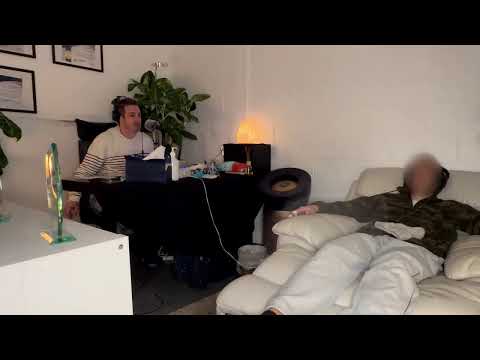
This Client Testimonial | Award Winning Anxiety Hypnotherapy Brisbane | Clive Westwood gives you another useful perspective:
The Experience of a Real Client
[EMBED CLIENT TESTIMONIAL VIDEO HERE]
Start by Listening to What the Client Actually Says
A testimonial should represent:
That client's experience.
It should not be expanded into claims they did not make.
It should not become:
“This will happen to you.”
Individual Experiences and Outcomes Vary
Question 1: How Long Have You Been Practising Hypnotherapy?
Experience is not the only consideration.
But it is reasonable to ask.
You may want to know:
How long has the practitioner worked with clients?
What type of concerns do they regularly see?
Do They Have Experience Relevant to Why You Are Booking?
Question 2: Do You Regularly Work with Anxiety?
“Anxiety” covers many different patterns.
It can include:
General worry.
Panic.
Overthinking.
Social anxiety.
Health anxiety.
Physical anxiety sensations.
Fear of judgement.
Someone Who Regularly Works with Anxiety Should Understand That These Are Not Necessarily the Same Problem
Question 3: Will My Hypnotherapy Be Personalised?
This can be an important question.
Ask:
“Will the Session Be Built around My Specific Problem?”
Or:
Will everybody receive essentially the same generic hypnosis script?
Two People Can Have the Same Label and Completely Different Patterns
Imagine two people say:
“I have social anxiety.”
One fears:
Awkward silence.
The other fears:
Visible blushing.
Another fears:
Rejection.
Another continually monitors:
Eye contact.
The Label Is the Same
The internal experience is not.
Question 4: What Happens before You Hypnotise Me?
Professional hypnotherapy does not need to begin with:
“Close your eyes.”
First:
The concern can be explored.
You May Discuss:
What happens.
When it happens.
What triggers it.
What you think.
What you feel physically.
What you fear might happen.
And:
What You Do Next
Question 5: Will I Lose Control?
No.
Therapeutic hypnosis should not be understood as:
Mind control.
You retain:
Awareness.
Choice.
Judgement.
The ability to communicate.
The Ability to Stop
Question 6: Will I Be Unconscious?
No.
Hypnosis does not require unconsciousness.
You may continue hearing:
The practitioner's voice.
Sounds around you.
Your thoughts.
Awareness Does Not Automatically Mean Hypnosis Has Failed
Question 7: Can I Be Made to Say Something I Don't Want to Say?
You retain choice about:
What you say.
What you discuss.
What you disclose.
Hypnosis Does Not Require Forced Confession
Question 8: What If I Cannot Relax?
You do not need:
Perfect relaxation.
You might still notice:
Thoughts.
Sounds.
Tension.
Movement.
Relaxation Can Be Helpful without Becoming a Performance Test
Question 9: What If I Overthink during Hypnosis?
If overthinking is the reason you are seeking help, expecting yourself to eliminate every thought before hypnosis begins would make little sense.
Thoughts Are Allowed to Occur
Question 10: What If I Am Very Analytical?
Being analytical does not automatically prevent you from participating.
You may still:
Think.
Evaluate.
Listen.
Respond.
Hypnosis Does Not Require You to Stop Being Intelligent or Critical
Question 11: What If I Cannot Visualise?
Not everybody experiences vivid imagery.
Some people:
See.
Others:
Think.
Sense.
Imagine conceptually.
Strong Mental Pictures Are Not Required for Every Hypnotic Approach
Question 12: What Does Hypnosis Feel Like?
There is no universal answer.
Some people describe feeling:
Relaxed.
Focused.
Heavy.
Light.
Comfortable.
Others May Feel Surprisingly Normal
There is no single sensation proving:
“Now you're hypnotised.”
Question 13: Can You Guarantee Hypnotherapy Will Work?
This is an important question.
No Individual Therapeutic Result Can Responsibly Be Guaranteed
Be cautious about promises such as:
“Guaranteed cure.”
“Works for everyone.”
“100% success.”
Question 14: Can You Guarantee One Session?
No exact number of sessions should be universally guaranteed.
Some people may report rapid changes.
Others may need:
More time.
Different approaches.
Additional professional support.
Individual Needs Vary
Question 15: Does Hypnotherapy Replace Psychology?
No.
Hypnotherapy may be used as a complementary approach where appropriate.
Evidence-based psychological treatment remains important for many anxiety-related conditions.
Question 16: Does Hypnotherapy Replace Medical Care?
No.
New, Severe, Persistent or Unexplained Physical Symptoms Need Appropriate Medical Assessment
Question 17: Should I Stop My Medication before Hypnotherapy?
No.
Do not stop or change prescribed medication without speaking with:
Your doctor.
Prescriber.
Or appropriately qualified healthcare professional.
Question 18: Can Hypnotherapy Help Anxiety?
Hypnotherapy may provide complementary support for some anxiety-related patterns.
But “Anxiety” Should Not Automatically Be Treated as One Universal Problem
Anxiety Hypnotherapy Brisbane
Anxiety may involve:
excessive worry
panic
overthinking
racing thoughts
social anxiety
health anxiety
fear of judgement
fear of rejection
anxiety about anxiety
catastrophic thinking
reassurance seeking
avoidance
physical anxiety sensations
difficulty switching off
Understanding Your Specific Pattern Can Help Personalise the Approach
Question 19: Can Hypnosis Help Panic Attacks?
Hypnotherapy may support panic-related anxiety.
A panic pattern may involve:
A physical sensation.
Fear of that sensation.
Increased monitoring.
More fear.
Fear of Panic Can Become Part of the Cycle
New, severe, persistent or unexplained chest pain, breathing problems, fainting, dizziness or other significant symptoms require appropriate medical assessment.
Question 20: Can Hypnosis Help Overthinking?
It may support changes in:
Repetitive thinking.
Mental replaying.
Catastrophic predictions.
Constant analysis.
The Goal Does Not Have to Be Never Thinking Again
It may instead involve changing:
How you respond to thoughts.
Question 21: Can Hypnosis Help Social Anxiety?
It may support:
Reduced self-consciousness.
Confidence.
Fear-related patterns.
Social Confidence Does Not Require Becoming Extroverted
Question 22: Can Hypnosis Help Health Anxiety?
It may support anxiety-related:
Checking.
Monitoring.
Reassurance seeking.
Catastrophic interpretation.
But Genuine Symptoms Should Not Be Ignored
Question 23: Can Hypnosis Help Stress?
It may support:
Relaxation.
Reduced repetitive thinking.
Different responses to pressure.
Hypnosis Cannot Remove Genuine External Problems
Question 24: Can Hypnosis Help Confidence?
It may support patterns involving:
Self-doubt.
Fear of judgement.
Hesitation.
Assertiveness.
Confidence Does Not Have to Mean Becoming Fearless
Question 25: How Do You Approach Trauma?
This is particularly important if you are seeking support involving:
Childhood trauma.
PTSD.
Distressing memories.
Hypnosis Should Not Be Used to “Prove” Uncertain Memories
Memory can be influenced by:
Suggestion.
Expectation.
Imagination.
Emotion.
Hypnosis should not be used to verify whether an uncertain image or impression is historically accurate.
Significant PTSD, complex trauma or dissociation deserves appropriately qualified trauma-informed care
Question 26: Will I Have to Relive Something Traumatic?
A trauma-informed approach should prioritise:
Safety.
Choice.
Individual needs.
Forced reliving is not proof that treatment is effective
Question 27: What If I Become Emotional?
You might.
Talking about something important can produce emotion.
Becoming Emotional Is Not Failure
Question 28: What If My Problem Is Embarrassing?
People seek help for concerns they may have hidden for:
Months.
Years.
Sometimes longer.
A Professional Therapeutic Environment Should Be Respectful and Non-Shaming
Question 29: Can I Stop Hypnosis at Any Time?
Yes.
You remain:
An active participant.
Question 30: How Will You Know What Suggestions to Use?
This is where personalisation becomes important.
Once the relevant pattern has been explored, hypnotic suggestions may relate to goals involving:
Calmness.
Confidence.
Relaxation.
Assertiveness.
Reduced overthinking.
Letting go.
Different responses to triggers.
Suggestions Can Be More Relevant When the Problem Is Better Understood
Question 31: Do You Use Mental Rehearsal?
Mental rehearsal may be incorporated where appropriate.
Anxiety often rehearses:
Failure.
Panic.
Embarrassment.
Rejection.
Worst-case scenarios.
Hypnosis May Be Used to Rehearse More Useful Responses
Question 32: How Should I Judge Whether the Session Helped?
Do not focus only on:
“Did I feel deeply hypnotised?”
Instead notice:
What happens in everyday situations.
Do You Respond Differently?
Do you:
Avoid less?
Recover faster?
Think differently?
Act differently?
Question 33: What Should I Look for in Hypnotherapy Reviews?
Look beyond:
Star ratings.
Read or watch what people actually describe.
Testimonials Can Help You Understand the Client Experience
But they cannot guarantee:
Your outcome.
Question 34: How Do I Know If a Testimonial Is Relevant to Me?
You may identify with:
The client's concerns.
Their initial uncertainty.
Their experience of the practitioner.
But You Are Still a Different Person
Question 35: Should I Choose the Hypnotherapist with the Most Reviews?
Reviews can be useful.
But also consider:
Relevant experience.
Communication.
Professionalism.
Personalisation.
Ethical claims.
Your Own Comfort with the Practitioner
Why Client Testimonials Matter When You Are Choosing a Hypnotherapist
You can read:
Hundreds of pages explaining hypnosis.
But eventually you may want to hear:
“What Did an Actual Client Think?”
That is where testimonials can be useful.
Let the Testimonial Remain Authentic
The client's own words should carry the experience.
Not:
Exaggerated interpretation.
Guarantees.
Or claims about what will happen to you.
Why Choose Clive Westwood Hypnotherapy Brisbane?
Helping Clients Since 2013
Clive Westwood has been helping clients through hypnotherapy since 2013.
His work has included people seeking support with:
Anxiety.
Panic.
Stress.
Overthinking.
Confidence.
Fears.
Habits.
And other emotional and behavioural patterns.
Personalised Hypnotherapy
Rather than simply asking:
“What Is Your Diagnosis?”
The session can explore:
“How does this problem actually happen for you?”
Anxiety-Focused Approach
The relevant pattern may involve:
Thoughts.
Physical sensations.
Fear.
Avoidance.
Checking.
Reassurance.
Self-consciousness.
Different Patterns Can Be Addressed More Specifically
Direct and Practical Style
Depending on the individual and goal, sessions may incorporate:
Direct suggestions.
Focused attention.
Mental rehearsal.
Relaxation.
Behavioural strategies.
Non-Shaming Approach
You do not need to:
Explain everything perfectly.
Relax perfectly.
Be good at hypnosis.
You Can Ask Questions
You Remain in Control
During hypnosis you retain:
Awareness.
Choice.
The ability to communicate.
The ability to stop.
Face-to-Face Hypnotherapy Brisbane
Face-to-face hypnotherapy appointments are available in Brisbane.
Online Hypnotherapy Australia-Wide
Online sessions are also available throughout Australia where appropriate.
More Frequently Asked Questions
Should I Speak to a Hypnotherapist before Booking?
If you have questions about suitability, approach or what to expect, obtaining appropriate information before making a decision can be useful.
Is It Okay to Ask a Hypnotherapist Questions?
Yes.
You should be able to ask reasonable questions about the service you are considering.
What Is the Most Important Question to Ask?
One useful question is:
“How Will You Personalise This to My Specific Problem?”
Should I Ask about Experience?
Yes.
It is reasonable to consider a practitioner's experience and whether it is relevant to your concerns.
Should I Ask about Qualifications?
Yes.
Training, professional background and relevant professional memberships can form part of your decision.
Should I Ask about Guarantees?
Yes.
Be cautious about guaranteed therapeutic outcomes.
Should I Ask about Side Effects or Limitations?
Yes.
You should be able to receive realistic information rather than only marketing claims.
Can I Ask What Happens during the First Appointment?
Yes.
Can I Ask about Confidentiality?
Yes.
Questions about privacy and professional boundaries are reasonable before discussing personal information.
Do I Have to Book after Asking Questions?
No.
Obtaining information does not obligate you to proceed.
A Good Question Should Not Be Treated as a Problem
You are considering:
Sharing something personal.
Spending money.
Giving your time.
Trying an unfamiliar therapeutic approach.
Asking Questions Is Reasonable
You Do Not Need Blind Faith in Hypnosis
You do not need to think:
“I must believe everything.”
You can:
Listen.
Understand.
Participate.
Evaluate.
You Remain Responsible for Your Decision
Watch the Client Testimonial
Listen to:
What the client actually says.
How they describe their experience.
Then think about the questions that matter most to you.
Perhaps:
“Will I lose control?”
“Will my session be personalised?”
“Do you understand anxiety?”
“What if I overthink?”
“What should I realistically expect?”
Ask
Because choosing a hypnotherapist should not require:
Guessing.
For personalised support, Clive Westwood provides anxiety, panic, stress, overthinking, confidence and hypnotherapy in Brisbane, with online appointments also available throughout Australia.
The right question before booking is not simply “Does hypnosis work?” It is also: “Is this practitioner experienced, realistic, professional and appropriate for the specific change I want to make?”
I sought out Clive's hypnotherapy practice because I'd been suffering from generalized anxiety as well as performance anxiety related to my profession as a stage actor I was initially quite skeptical but after a few sessions I immediately noticed a change I was sleeping better I didn't have as many problems with anxiety and with performing in front of people I even found that my general activity level and my energy had really improved so I don't think it's too much of a stretch to say that his hypnotherapy sessions really turned my life around and have just given me a whole new set of opportunities that I can explore