Relax Hypnosis for Kids | Gentle Guided Session | Award Winning Anxiety Hypnotherapy Brisbane
Relax Hypnosis for Kids | Gentle Guided Session | Award Winning Anxiety Hypnotherapy Brisbane
Gentle Relaxation Hypnosis for Kids Brisbane
Children can become:
Busy.
Excited.
Overstimulated.
Worried.
Restless.
Tense.
Or:
Unable to switch off.
Sometimes:
Their body is tired.
But:
Their mind is still:
Running.
Thinking.
Imagining.
Remembering.
Asking questions.
And:
Staying alert
A gentle relax hypnosis for kids session can be used as a calming exercise to help children practise:
Slowing down.
Noticing their breathing.
Softening unnecessary tension.
Using imagination.
And:
Becoming more comfortable with feeling calm
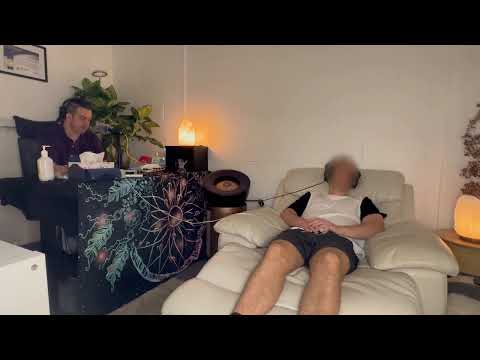
[EMBED RELAX HYPNOSIS FOR KIDS | GENTLE GUIDED SESSION VIDEO HERE]
This Is Not about Forcing a Child to Relax
Children cannot always:
Instantly:
Turn off feelings.
And:
They should not be told:
“Just calm down!”
As though:
Calmness is:
A switch.
Relaxation Is:
A skill.
And Skills Become Easier through:
Practice.
Repetition.
Familiarity.
And:
Positive experience
A Child Does Not Need to Be Anxious to Learn Relaxation
Relaxation skills can be useful:
Before bed.
After school.
After sport.
After a busy day.
Before a stressful event.
Or:
Simply as:
Quiet time
What Can Tension Look Like in Children?
Children do not always say:
“I feel stressed.”
Instead:
You might notice:
Restlessness.
Fidgeting.
Irritability.
Difficulty settling.
Constant talking.
Clinging.
Tummy sensations.
Difficulty sleeping.
Racing thoughts.
Repeated questions.
Crying.
Anger.
Or:
Finding it hard to transition from activity to rest
Strong Feelings Are Normal
Children experience:
Excitement.
Fear.
Frustration.
Sadness.
Anger.
Nervousness.
And:
Disappointment.
The Aim Is Not:
Eliminating:
Normal emotions.
It Is Helping Children Learn:
“I can notice a feeling and help my body settle.”
Australian parenting guidance notes that young children often need adult help to calm after strong emotions, and that learning to calm is part of developing emotional regulation.
Relaxation Is Not the Same as Suppression
A child can be:
Angry.
And:
Still learn:
How to settle.
A child can be:
Nervous.
And:
Still relax:
Some muscles.
A child can be:
Sad.
And:
Still breathe:
Slowly.
The Message Is Not:
“Stop feeling.”
It is:
“You can have a feeling without the feeling controlling everything.”
The Calm-Body Exercise
Ask your child:
To get:
Comfortable.
They can:
Sit.
Lie down.
Or:
Rest somewhere safe.
Then:
Notice:
The hands.
Are they:
Tight?
Or:
Loose?
Notice:
Shoulders.
Up?
Or:
Down?
Notice:
Face.
Scrunched?
Or:
Soft?
No need to:
Force anything.
Just:
Notice.
Then:
Imagine:
The body becoming a little softer
Gentle Breathing for Kids
One simple approach is:
Breathe in:
Gently.
Then:
Breathe out:
Slowly.
For younger children:
You can make this:
Playful.
Imagine:
Smelling:
A flower.
Then:
Slowly:
Blowing out:
A candle.
No Straining
No racing.
No trying to take:
The biggest breath possible.
Just:
Comfortable.
Slow.
Gentle.
Australian child wellbeing guidance recommends simple slow breathing exercises and notes that younger children can be guided using imagery such as smelling a flower and gently blowing out a candle.
Practise Calm before You Need Calm
One of the best times to teach:
Relaxation:
Is not:
When a child is already:
Extremely upset.
Practise:
When they are:
Comfortable.
Safe.
And:
Relatively calm.
Then:
The process becomes:
Familiar.
So later:
When stress appears:
The child has:
Something they already know how to do
Australian guidance specifically recommends practising breathing exercises while children are calm so they can become more confident using the skill when anxious.
The Sleepy Lion Exercise
Ask:
“Can you pretend you're a sleepy lion?”
The lion has had:
A big day.
Played.
Explored.
Learned.
And now:
It rests.
The Lion's:
Paws:
Loose.
Shoulders:
Soft.
Jaw:
Relaxed.
Eyes:
Comfortable.
Breathing:
Easy.
The lion does not need:
To watch:
Everything.
Because:
Right now:
It is safe to rest
The Floating Cloud Exercise
Ask your child:
To imagine:
A cloud.
Soft.
Light.
Slowly moving:
Across the sky.
Thoughts can be:
Like clouds.
A thought appears.
Maybe:
“What if tomorrow is hard?”
You do not have to:
Fight:
The thought.
Imagine:
It floating:
Past.
Another thought comes.
And:
That one can float past too
Thoughts Do Not Have to Disappear
Children sometimes think:
Relaxing means:
Having:
No thoughts.
That can create:
Frustration.
Instead:
Teach:
Thoughts can:
Come.
Go.
Change.
And:
They do not all need:
An answer
The Body-Melting Game
Ask:
“Can you make your shoulders hard like a robot?”
Hold:
Briefly.
Then:
“Now let them become soft like jelly.”
Hands:
Robot.
Then:
Jelly.
Face:
Robot.
Then:
Jelly.
Legs:
Robot.
Then:
Jelly.
Children often learn relaxation better when:
It feels like a game
Progressive Muscle Relaxation
Older children may enjoy:
Gently tightening.
Then:
Releasing:
Different muscle groups.
This can teach:
The difference between:
Tension.
And:
Relaxation.
But:
Avoid:
Painful tightening.
Cramping.
Or:
Holding tension for too long.
Relaxation Should Feel:
Comfortable.
Not:
Like another performance task
The Safe-Place Imagination Exercise
A child might imagine:
A place where:
They feel:
Comfortable.
Maybe:
Beach.
Bedroom.
Garden.
Treehouse.
Grandparent's house.
Holiday destination.
Fantasy world.
Ask:
What can you:
See?
Hear?
Feel?
This can support:
Focused attention.
And:
A sense of calm
But Safe Imagery Should Never Replace Real Safety
If a child is:
Actually unsafe.
Bullied.
Threatened.
In pain.
Or:
Worried about something genuine:
The answer is not simply:
“Imagine you're safe.”
The actual problem requires:
Appropriate adult attention.
Calm Children Still Need a Voice
Relaxation should never be used to make:
A child:
Quiet.
Compliant.
Or:
Easy to manage.
A child should remain able to say:
“No.”
“I Don't Like That.”
“I Need Help.”
“Something Happened.”
Calmness Is Not:
Obedience
Gentle Hypnosis for Kids
Children naturally use:
Imagination.
Stories.
Pretend.
Focused attention.
And:
Daydreaming.
A gentle child-focused hypnosis session may include:
Relaxation.
Breathing.
Imagination.
Stories.
Positive suggestion.
Mental rehearsal.
Body awareness.
And:
calming imagery
Children's Hypnosis Does Not Need to Be Deep
A child does not need:
To become:
Completely still.
Silent.
Or:
Unconscious.
They may:
Move.
Scratch.
Smile.
Talk.
Open their eyes.
Adjust position.
That Does Not Automatically Mean:
They are doing it wrong
Children Remain Aware
Hypnosis does not mean:
A child:
Loses control.
Becomes unconscious.
Or:
Can be forced:
To do something.
A child should remain:
Aware.
Responsive.
Able to speak.
Able to move.
And:
Able to stop
Eyes Can Stay Open
Some children prefer:
Closing their eyes.
Others:
Don't.
Neither is:
Wrong.
Especially with younger children:
Forcing eye closure can create:
More discomfort.
Relaxation should be:
Invitational
“You Can Close Your Eyes If You Want”
Is very different from:
“You Must Close Your Eyes.”
Gentle Suggestions for Kids
Suggestions may include:
Your body can become a little softer.
Your shoulders can rest.
Your breathing can become comfortable.
You can let the day slow down.
You don't have to solve everything right now.
You can notice thoughts and let them pass.
You can take your time.
You can feel safe enough to rest when you are genuinely safe.
You can ask for help whenever you need it.
Your body can learn what calm feels like.
You can practise relaxing more easily each time.
The Calm Colour Exercise
Ask:
“If calm had a colour, what colour would it be?”
There is:
No correct answer.
Maybe:
Blue.
Pink.
Green.
Purple.
Gold.
Imagine:
That colour:
Moving through:
The body.
Into:
Hands.
Arms.
Shoulders.
Face.
Tummy.
Legs.
And:
Wherever the colour goes:
The muscles can soften a little
The Worry Balloon Exercise
Imagine:
One worry:
Inside:
A balloon.
You do not need to:
Destroy it.
Just:
Notice it.
Then:
Imagine:
Letting:
The string go.
Watch:
The balloon:
Float:
Farther.
And:
Farther.
The Message Is:
“I don't have to hold every worry right now.”
Relaxation after School
Children can arrive home:
Full.
Of:
Information.
Noise.
Social experiences.
Rules.
Learning.
Movement.
Some need:
Quiet.
Some:
Movement.
Some:
Food.
Some:
Connection.
Relaxation does not have to mean:
Immediately lying:
Still.
A transition might involve:
Snack.
Movement.
Conversation.
Then:
Quiet time
Relaxation before Bed
Bedtime can be:
A useful place:
For gentle relaxation.
The child can practise:
Softening:
Shoulders.
Hands.
Face.
Breathing:
Comfortably.
Imagining:
A calm place.
Letting:
Thoughts:
Come.
And:
Go.
But:
Persistent sleep difficulties:
May deserve:
Professional assessment
Hypnosis for Bedtime Should Only Be Used in a Safe Sleeping Environment
A child should not listen to:
Deep relaxation:
While:
Cycling.
Swimming.
Walking near traffic.
Using equipment.
Or:
Doing anything requiring:
Full attention
Relaxation before School
Some children wake:
Already:
Thinking about:
School.
A short exercise might be:
Feet:
On floor.
One comfortable breath.
Relax:
Shoulders.
Then:
Ask:
“What's the first thing I need to do?”
Not:
Solve:
The entire day.
Just:
The first step
Relaxation before a School Presentation
Nerves can be:
Normal.
Instead of demanding:
“I Must Be Completely Calm.”
Teach:
“I can be a little nervous and still speak.”
Relaxation before Sport
Sport can involve:
Excitement.
Adrenaline.
Nervousness.
Relaxation does not need to make:
A child:
Sleepy.
It can mean:
Reducing:
Unnecessary tension.
Then:
Returning to:
Focus
Relaxation after Anger
When a child is:
Very angry.
This may not be:
The moment:
For:
A lecture.
First:
Support:
Settling.
Then:
Later:
Talk about:
What happened.
Australian parenting guidance similarly recommends helping children calm first, then addressing behaviour or problem-solving afterwards.
Relaxation after Fear
A child may remain:
Activated:
Even after:
The frightening situation:
Ends.
You can help:
Orient them back to:
Now.
Ask:
What can you:
See?
Hear?
Feel?
Remind:
Where they are.
Who is with them.
And:
What is happening right now
The Five-Senses Calm Game
Ask your child to notice:
Something they can:
See.
Hear.
Touch.
Smell.
And:
Perhaps:
Taste.
This brings attention:
Away from:
The imagined future.
And:
Back toward:
The present environment
Relaxation for Overthinking Kids
Some children:
Ask:
Question.
After:
Question.
“What if?”
“But what if?”
“Are you sure?”
A calming routine may support:
Stopping:
The conversation:
With every possible future.
Teach:
“That is a worry thought.”
Then:
Return to:
What is happening now
Relaxation for Children with Lots of Energy
Some children relax better:
After movement.
Calm does not always begin:
With:
Stillness.
It may begin with:
Stretching.
Walking.
Movement.
Then:
Breathing.
Australian relaxation guidance suggests adapting breathing exercises for children with high energy by combining breathing with whole-body movement.
Sensory Differences Matter
Some children dislike:
Eyes closed.
Quiet rooms.
Certain sounds.
Certain textures.
Body-focused exercises.
The exercise can be:
Adjusted.
Children with sensory sensitivities may benefit from:
Lower stimulation.
Clear instructions.
Shorter exercises.
Or:
Different positions.
Australian guidance also recommends adapting relaxation exercises for children's individual sensory, developmental and learning needs.
There Is No Perfect Relaxation
One child becomes:
Very still.
Another:
Giggles.
Another:
Moves.
Another:
Asks questions.
The aim is not:
Performance
The question is:
Does the exercise help the child:
Notice.
Settle.
And:
Develop a useful skill?
Parents Can Practise Too
Children often:
Copy.
Adults.
Try:
Doing:
The breathing exercise:
Together.
Say:
“I'm going to let my shoulders relax too.”
This changes:
Relaxation from:
Something being:
Done to the child.
Into:
Something you're practising together
Keep It Short for Younger Children
A four-year-old may not want:
Twenty minutes.
That's okay.
Start with:
One breath.
Thirty seconds.
A short story.
A simple:
Body-softening game.
You can:
Gradually:
Build.
Relaxation Should Match:
The child's age and attention
What Relax Hypnosis for Kids Should Not Promise
It should not promise:
To cure:
Anxiety.
ADHD.
Autism.
Trauma.
Sleep disorders.
Behavioural conditions.
Or:
Other medical or psychological concerns.
It should not promise:
Your child will:
Always:
Be calm.
Children Need:
A full range of emotions.
Relaxation Is:
One skill among many
When Anxiety May Need More Than Relaxation
Relaxation can be:
Helpful.
But:
If a child is experiencing:
Persistent.
Severe.
Or:
Increasing anxiety.
And it is interfering with:
School.
Friendships.
Sleep.
Play.
Eating.
Or:
Everyday activities:
Professional assessment is appropriate.
For older children and teenagers, Australian guidance recommends seeking professional help when anxiety is persistent or interfering with school, socialising or daily activities.
Appropriate Support Might Include:
GP.
Paediatrician.
Psychologist.
School support.
Occupational therapist.
Speech pathologist.
Or:
Another relevant professional.
Hypnotherapy Is Complementary
Children's hypnotherapy should not replace appropriate:
Medical.
Paediatric.
Psychological.
Educational.
Developmental.
Occupational therapy.
Speech pathology.
Or:
safeguarding support
Relaxation Is Not a Safeguarding Tool
A child who reports:
Bullying.
Harm.
Threats.
Unsafe behaviour.
Or:
Something concerning:
Should be:
Listened to.
Do not simply teach them:
To relax around something genuinely unsafe
No Forced Disclosure
A child does not need:
To tell:
Every private detail.
Hypnosis should never involve:
Pressure.
Threats.
Or:
Forced disclosure.
No Hidden-Memory Recovery
Hypnosis should not be used:
To search for:
Supposed hidden memories.
Or:
To determine:
Whether an uncertain memory:
Is factual.
Suggestion can influence:
Recall.
Child-focused work should remain:
Safe.
Present-focused.
And:
Developmentally appropriate
Frequently Asked Questions about Relax Hypnosis for Kids
Can Children Listen to Relaxation Hypnosis?
Some children may enjoy age-appropriate guided relaxation or hypnosis exercises involving breathing, imagination and calming suggestions.
Suitability depends on the individual child.
Is Hypnosis Safe for Kids?
Child-focused hypnosis should be age-appropriate, voluntary, non-shaming and conducted with appropriate parent or legal guardian involvement.
Will My Child Be Unconscious?
No.
Will My Child Lose Control?
No.
Does My Child Have to Close Their Eyes?
No.
Does My Child Need to Stay Completely Still?
No.
What If My Child Starts Talking?
That's okay.
Children do not need to perform hypnosis perfectly.
Can Relax Hypnosis Help My Child Sleep?
Relaxation may support settling at bedtime for some children.
Persistent sleep difficulties may require professional assessment.
Can Relaxation Help Childhood Anxiety?
Relaxation and breathing exercises may be useful coping tools for some children, but significant anxiety may require broader evidence-based care.
Can Relax Hypnosis Stop Panic?
No guaranteed outcome should be promised.
New, severe or unexplained physical or psychological symptoms should receive appropriate assessment.
Can Relaxation Help My Child Calm after School?
It may.
Some children also benefit from food, movement, connection or quiet time before attempting a formal relaxation exercise.
Can My Child Use This Every Day?
Short, comfortable relaxation practice may help skills become more familiar.
It should remain voluntary and appropriate for the child.
How Long Should Kids Relax For?
There is no universal duration.
Younger children may benefit from very short exercises, with duration increasing according to age, interest and comfort.
Can My Child Use Headphones?
They may, where safe and comfortable.
Can My Child Listen while Falling Asleep?
A bedtime recording can be used only when the child is already in a safe sleeping environment.
Should I Force My Child to Finish the Session?
No.
Can Hypnosis Make My Child Behave?
Hypnosis should not be used as a tool for forced obedience.
Can Hypnosis Change My Child's Personality?
That should not be the goal.
Why Choose Clive Westwood for Children's Hypnotherapy Brisbane?
Helping Clients Since 2013
Clive Westwood has been helping clients through clinical hypnotherapy since 2013.
His work includes people seeking support involving:
Anxiety.
Fear.
Confidence.
Nervousness.
Overthinking.
Relaxation.
And:
anxiety-related patterns
Gentle Child-Friendly Approach
Children should not be expected to:
Respond like:
Adults.
A child-focused approach can use:
Imagination.
Stories.
Games.
Relaxation.
Simple suggestions.
And:
language the child understands
Parent and Guardian Involvement
For children:
Parent or legal guardian involvement is important.
The child should also:
Be comfortable.
Be respected.
Understand the process:
At an age-appropriate level.
And:
Be willing to participate
Face-to-Face Children's Hypnotherapy Brisbane
Face-to-face appointments are available in Brisbane where appropriate for the individual child.
Relax Hypnosis for Kids — Gentle Guided Session
Children do not need to become:
Perfectly calm.
They can learn:
Something simpler.
“My body can soften.”
“I can slow down.”
“I can notice my breathing.”
“I don't have to solve every thought right now.”
“I can ask for help.”
“I can practise feeling calm.”
Calm Is Not Something a Child Must:
Achieve.
It Is Something They Can:
Learn to recognise and practise
Relax Hypnosis for Kids Brisbane
Clive Westwood provides personalised children's hypnotherapy in Brisbane for relaxation, childhood anxiety, nervousness, fears, confidence, overthinking and related patterns, where hypnotherapy is appropriate for the individual child.
This gentle guided relaxation approach is not about forcing children to stop feeling or demanding perfect calm. It is about helping children practise simple skills—comfortable breathing, imagination, body awareness, focused attention and letting unnecessary tension soften—so calm can gradually become something familiar rather than something they have to struggle to create.
Let your eyes close. Just relax
and focus on your breathing.
With every breath you take, you notice yourself relaxing.
and more you allow yourself to relax,
the better you feel. And the better you feel, the more you allow yourself to relax.
Feeling calm,
relaxed
throughout your body. and your mind
feeling
deeply
calm
as you
just
concentrate.
on every breath.
Feeling
at peace.
allowing
yourself
to remain.
Relax
in every way.
Feeling brave.
finding it easy to face
every fear.
Just relaxing
being
calm
as you follow
yourself
into
relaxation.
Feeling brave
at all times.
Finding it easy
to delete
and clear
all bad things.
from your mind.
Every breath you take,
you notice
yourself
relaxing.
As you
let go
completely,
knowing
you're smart,
you're strong.
being powerful
and in control
of your mind.
With every breath you take,
you notice
yourself
feeling calm
and relaxed
completely.
in every way.
Just
letting go,
feeling,
peaceful.
With every breath you take,
relaxing
completely.
Just
being
strong.
Smart
and powerful.
Just
knowing
that you
can easily
Silence
all bad things
and take control
of your mind,
of yourself
completely
being
fully
relaxed.
Focusing
on the rise and fall of your breath
as you breathe
through your belly.
And you
feel calm.
and in control
in every way.
Being
smart,
strong
and powerful.
As you
welcome
the greatest
version
of yourself
Being
the best you can be with every breath you take.
As all of the changes and suggestions take place from now on for the rest of your life,
all of the changes and suggestions questions take place from now on for the rest of your life. In a moment,
I will ask you to open your eyes
feeling strong. Smile and powerful from now on for the rest of your life.
Fully aware, open your eyes.