Destroy Social Anxiety Hypnotherapy | Clive Westwood | Award Winning Anxiety Hypnotherapy Brisbane
Destroy Social Anxiety Hypnotherapy | Clive Westwood | Award Winning Anxiety Hypnotherapy Brisbane
Hypnotherapy for Social Anxiety, Fear of Judgement, Overthinking and Social Confidence
You walk into a room.
And instead of simply being there, your mind starts analysing everything.
“Where should I stand?”
“What do I say?”
“Do I look nervous?”
“What if they think I’m awkward?”
“What if I say something stupid?”
“What if there is an awkward silence?”
Social anxiety can make ordinary human interaction feel like a performance.
You may be watching yourself.
Judging yourself.
Rehearsing yourself.
Correcting yourself.
And trying to predict what everybody else thinks of you.
This Destroy Social Anxiety Hypnotherapy with Clive Westwood is designed as complementary support for people who want to reduce excessive self-consciousness, fear of judgement, social overthinking, avoidance and anxiety around other people.
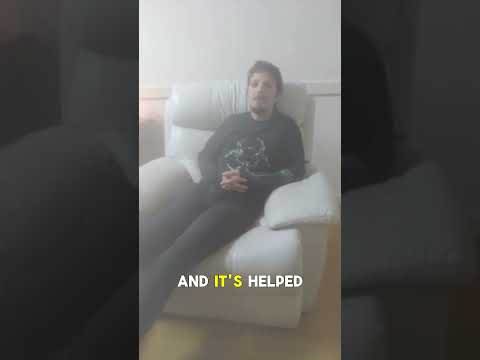
[EMBED DESTROY SOCIAL ANXIETY HYPNOTHERAPY VIDEO HERE]
The title uses the word destroy because many people want social anxiety completely out of their lives.
But no responsible hypnotherapist can guarantee that every trace of social anxiety will disappear permanently.
A more realistic goal is to reduce the patterns that keep social anxiety powerful and build greater confidence in real social situations.
What Does Social Anxiety Feel Like?
You may recognise:
fear of being judged
fear of embarrassment
fear of rejection
excessive self-consciousness
avoiding social situations
overthinking conversations
fear of awkward silence
difficulty making eye contact
fear of blushing
fear of shaking
fear of sweating
fear of your voice sounding nervous
feeling watched
difficulty speaking in groups
fear of meeting new people
difficulty speaking to authority figures
anxiety before social events
replaying conversations afterwards
The Social Anxiety Cycle
The cycle can look like:
Social situation → self-monitoring → frightening prediction → anxiety → more self-monitoring → avoidance or safety behaviour → temporary relief
Then the mind learns:
“That situation was dangerous.”
Next time the anxiety starts earlier.
Fear of Judgement
The central question may be:
“What do they think of me?”
Then every:
Look.
Pause.
Facial expression.
Tone of voice.
Becomes evidence to analyse.
Stop Trying to Read Everyone’s Mind
You may assume:
“They think I’m boring.”
“They think I’m weird.”
“They noticed I was nervous.”
“They don’t like me.”
Unless someone actually tells you what they are thinking, much of this is interpretation.
Not fact.
Social Anxiety and Self-Consciousness
Your attention turns inward.
You notice:
Your face.
Your hands.
Your posture.
Your voice.
Your breathing.
How quickly you are speaking.
Whether you are smiling enough.
The interaction stops feeling natural because you are trying to observe yourself from the outside.
Stop Watching Yourself
Imagine trying to have a conversation while simultaneously being your own audience.
That is exhausting.
A useful shift can be:
From:
“How am I coming across?”
To:
“What is this person actually saying?”
Fear of Awkward Silence
You may believe every gap in conversation means failure.
So you desperately search for the next thing to say.
The pressure makes your mind go blank.
Silence does not automatically mean:
Failure.
Disapproval.
Rejection.
Sometimes it is simply a pause.
Fear of Not Knowing What to Say
You may mentally rehearse:
Questions.
Topics.
Answers.
Then panic if the real conversation goes somewhere unexpected.
Confidence is not knowing exactly what to say every second.
It can be trusting that you can respond naturally.
Overthinking Conversations Before They Happen
You imagine:
What they might ask.
What you should say.
What could go wrong.
What if you freeze.
What if you sound stupid.
The conversation happens twenty times in your head before it happens once in reality.
Replaying Conversations Afterwards
Then afterwards:
“Why did I say that?”
“Did that sound weird?”
“I should have said this instead.”
“Why did they look at me like that?”
You mentally edit an interaction that is already finished.
Stop Giving Yourself a Social Performance Review
You do not need to grade every conversation.
People rarely analyse you with the same intensity that you analyse yourself.
Social Anxiety and Eye Contact
Eye contact may feel:
Intense.
Exposing.
Uncomfortable.
You may worry:
“Am I looking too much?”
“Not enough?”
Then something automatic becomes another task.
The goal is not forced staring.
It is more natural flexibility.
Fear of Blushing
You notice warmth.
Then think:
“My face is going red.”
Then anxiety rises.
The fear of blushing can become stronger than the original social situation.
Fear of Shaking
You notice your hands.
Then imagine everybody else noticing them too.
That increases self-consciousness.
Fear of Sweating
You may worry about:
Your forehead.
Hands.
Clothing.
Then repeatedly check.
The checking keeps attention focused on the very thing you fear.
Fear of a Nervous Voice
You hear:
A tremor.
A change in pitch.
A slight stumble.
Then think:
“Everyone can tell I’m nervous.”
You begin listening to your own voice instead of communicating.
Fear of Going Blank
You know what you want to say.
Then somebody looks at you.
Suddenly your mind feels empty.
The harder you try to force the words, the more pressure you create.
Social Anxiety in Groups
One-to-one conversations may be easier.
Groups can feel different.
You may worry:
When should I speak?
Will I interrupt?
What if nobody responds?
What if I get ignored?
So you stay silent.
Then later criticise yourself for not speaking.
Fear of Speaking Up
You have something useful to say.
Then your mind says:
“Don’t.”
You wait.
The moment passes.
Then think:
“Why didn’t I say it?”
Social Anxiety at Work
You may struggle with:
Meetings.
Team discussions.
Speaking to management.
Lunch rooms.
Networking.
Presentations.
Phone calls.
Introducing yourself.
You may know your job well yet still feel socially uncertain.
Social Anxiety in Meetings
You spend the meeting rehearsing one sentence.
Then someone changes the topic.
You lose your chance.
Confidence can involve speaking before the sentence feels perfect.
Fear of Authority Figures
Managers.
Teachers.
Doctors.
Police.
Senior colleagues.
You may automatically feel smaller around people you perceive as having authority.
Social Anxiety and Job Interviews
You may know your experience.
But the interview turns knowledge into performance.
You worry about:
Eye contact.
Voice.
Body language.
Answers.
Then self-monitoring makes it harder to think clearly.
Social Anxiety and Public Speaking
Public speaking combines:
Attention.
Evaluation.
Silence.
Expectation.
You may fear:
Going blank.
Shaking.
Blushing.
Losing your voice.
Being judged.
Social Anxiety and Phone Calls
Some people find phone calls harder than face-to-face conversations.
You cannot see the other person’s facial expression.
You may rehearse what to say before calling.
Then delay the call repeatedly.
Social Anxiety and Video Calls
You may constantly look at your own image.
Then become hyperaware of:
Appearance.
Facial expressions.
Body movement.
Try focusing more on the conversation than your self-view.
Social Anxiety and Meeting New People
You may think:
“I need to make a good impression.”
That pressure can create the opposite of natural connection.
Social Anxiety and Dating
Dating can feel like a high-stakes evaluation.
You may think:
“Will they like me?”
But there is another equally important question:
“Do I like them?”
Social Anxiety and Attraction
You may become especially anxious around someone you find attractive.
You overthink:
What to say.
How to stand.
Whether to make eye contact.
Whether they are interested.
Fear of Rejection
You may treat rejection as proof:
“I’m not good enough.”
But rejection can involve:
Preference.
Compatibility.
Timing.
Circumstances.
It is not an objective measurement of your value.
Social Anxiety and People-Pleasing
You may try to prevent rejection by being:
Agreeable.
Helpful.
Quiet.
Easy-going.
Then hide what you actually think.
Stop Trying to Make Everyone Like You
No one succeeds at that.
Some people will connect with you.
Some will not.
Confidence includes tolerating that reality.
Social Anxiety and Saying No
You may worry:
“They’ll think I’m rude.”
So you agree to things you do not want.
Then resentment develops.
Social Anxiety and Assertiveness
Assertiveness does not mean becoming loud or aggressive.
It may mean:
“I am allowed to speak clearly.”
Fear of Conflict
You may avoid disagreement completely.
Because disagreement feels like rejection.
But two people can disagree without the relationship collapsing.
Social Anxiety and Being Quiet
Being naturally quiet is not automatically a problem.
You do not have to become the loudest person in the room.
The issue is when fear prevents you from speaking when you genuinely want to.
Introversion Versus Social Anxiety
Introversion may mean preferring:
Smaller groups.
Quiet time.
Less social stimulation.
Social anxiety involves fear.
You can be introverted without being socially anxious.
And socially anxious without being introverted.
Social Anxiety and Shyness
Shyness and social anxiety can overlap.
But significant social anxiety may interfere more strongly with:
Work.
Relationships.
Education.
Daily activities.
Professional assessment may be useful where symptoms are severe or persistent.
Social Anxiety and Low Self-Esteem
If you already believe:
“I’m not interesting.”
“I’m awkward.”
“I’m inferior.”
Then you may enter social situations expecting other people to confirm those beliefs.
Stop Entering the Room Beneath Everyone Else
You do not need to automatically place:
Them above.
And yourself below.
You are speaking to another human being.
Social Comparison
You notice:
The confident person.
The funny person.
The attractive person.
The successful person.
Then compare their strongest visible quality with your biggest private insecurity.
Social Anxiety and Social Media
Online interaction may feel easier.
But it can also create comparison and avoidance of real-life contact.
Social Anxiety and Perfectionism
You may believe:
“I need to say the right thing.”
“I need to sound intelligent.”
“I cannot make a social mistake.”
But natural conversation is imperfect.
People:
Pause.
Mispronounce things.
Forget words.
Tell bad jokes.
Interrupt accidentally.
Then continue.
Stop Trying to Perform Socially
The more you try to perform confidence, the more unnatural you may feel.
Instead of:
“How do I look confident?”
Try:
“How do I become interested in what is happening?”
Social Anxiety and Overthinking
Before.
During.
After.
Social anxiety can occupy all three.
Before:
Prediction.
During:
Self-monitoring.
After:
Rumination.
Break the Before-During-After Cycle
Before:
Reduce mental rehearsal.
During:
Shift attention outward.
After:
Stop endlessly analysing.
Fear of Embarrassment
You may treat embarrassment as catastrophic.
But everybody experiences awkward moments.
Embarrassment is uncomfortable.
It is usually survivable.
You Can Recover From Awkwardness
Say something wrong?
Correct yourself.
Forget someone's name?
Ask again.
Trip over a word?
Continue.
A small social mistake does not need a full psychological investigation.
Fear of People Noticing Anxiety
You may think:
“They’ll know.”
And then:
“That would be terrible.”
Even if somebody notices nervousness, that does not automatically mean rejection.
Stop Hiding Every Sign of Nervousness
Trying to conceal anxiety can make you monitor yourself even more.
Social Anxiety and Panic
Some people fear having a panic attack socially.
The fear becomes:
“What if I panic and everybody sees?”
Significant panic symptoms should receive appropriate professional assessment.
Social Anxiety and Depersonalisation
Strong anxiety may sometimes accompany feelings of detachment or unreality.
Persistent or severe symptoms should receive appropriate mental-health assessment.
Social Anxiety and Alcohol
Some people use alcohol to feel more confident socially.
If alcohol becomes necessary to socialise, or use is becoming difficult to control, appropriate professional support should be considered.
Hypnosis should not replace medical care where alcohol dependence may be present.
Social Anxiety and Avoidance
You may avoid:
Parties.
Birthdays.
Work events.
Restaurants.
Phone calls.
Dating.
Networking.
Public speaking.
Meeting new people.
Avoidance reduces anxiety temporarily.
That relief can reinforce the belief:
“I could not have handled it.”
Waiting Until You Feel Confident
You may think:
“When I feel confident, I’ll go.”
But confidence often develops after experience.
Not before it.
Confidence Is Not the Absence of Nervousness
Confidence can mean:
“I feel some anxiety and I can still speak.”
Stop Trying to Eliminate Every Social Sensation
You may feel:
Warm.
Nervous.
Excited.
Unsure.
That does not automatically mean the interaction is going badly.
Social Confidence Is Attention Outward
Who are you talking to?
What are they saying?
What are you curious about?
What is actually happening?
Listen Instead of Rehearsing
While the other person speaks, you may be preparing your response.
Try listening.
The conversation may become easier when you stop mentally writing the script.
You Do Not Need to Be Fascinating
A conversation does not require you to continuously entertain someone.
Ask Simple Questions
You do not need the perfect question.
Natural curiosity is enough.
Stop Trying to Impress
Connection and performance are different.
Performance asks:
“How am I doing?”
Connection asks:
“Who is this person?”
Stop Making Every Interaction High Stakes
Not every conversation needs to create:
Friendship.
Romance.
Approval.
Opportunity.
Sometimes it is simply a conversation.
Allow People to See the Real Version of You
If you are always editing yourself to prevent rejection, people never really meet you.
How Destroy Social Anxiety Hypnotherapy May Help
Hypnotherapy may support some people with:
fear of judgement
excessive self-consciousness
social overthinking
anticipatory anxiety
replaying conversations
fear of awkward silence
eye-contact anxiety
fear of blushing
fear of shaking
public-speaking anxiety
speaking in groups
meeting new people
dating anxiety
assertiveness
fear of rejection
people-pleasing
confidence
Individual responses vary.
No specific outcome can be guaranteed.
Hypnosis for Fear of Judgement
The focus may involve reducing the need to constantly predict other people's opinions.
Hypnosis for Self-Consciousness
You may practise shifting attention:
Away from yourself.
Towards the interaction.
Hypnosis for Overthinking Conversations
The focus may involve reducing:
Rehearsal before.
Self-monitoring during.
Analysis afterwards.
Hypnosis for Eye Contact
You may mentally rehearse more natural and flexible eye contact without forcing yourself to stare.
Hypnosis for Awkward Silence
You may practise allowing pauses without automatically interpreting them as failure.
Hypnosis for Blushing Anxiety
The aim may be to reduce the secondary fear surrounding warmth or visible nervousness.
Hypnosis for Speaking in Groups
You may mentally rehearse contributing without waiting for the perfect sentence.
Hypnosis for Meeting New People
The focus may shift from:
“Do they like me?”
to:
“Let me discover who they are.”
Hypnosis for Dating Anxiety
You may rehearse approaching dating as mutual compatibility rather than an audition for approval.
Hypnosis for Fear of Rejection
You may practise separating:
“This person did not choose me.”
from:
“I am not good enough.”
Hypnosis for Assertiveness
Hypnotherapy may support confidence in:
Speaking.
Disagreeing.
Saying no.
Setting boundaries.
Hypnosis for Social Anxiety at Work
It may support anxiety around:
Meetings.
Speaking to colleagues.
Presentations.
Networking.
Phone calls.
Hypnosis for Public Speaking Anxiety
The focus may include mental rehearsal, reduced self-monitoring and confidence in continuing even if nervousness appears.
What Does Hypnosis Feel Like?
Experiences vary.
You may feel:
relaxed
focused
physically comfortable
absorbed
calm
heavy
light
less interested in distractions
Or you may simply feel like yourself listening carefully.
Will I Be Unconscious?
No.
You remain aware and responsive.
Will I Lose Control?
No.
You retain choice throughout hypnosis.
Will Hypnosis Make Me Extroverted?
No.
That is not the goal.
You do not have to change your personality.
The aim is to reduce anxiety that prevents you from expressing yourself naturally.
Can Hypnosis Completely Destroy Social Anxiety?
No responsible practitioner should guarantee permanent elimination of a mental-health difficulty.
The title reflects the desire many people have to break free from social anxiety.
The practical goal is to reduce the fear patterns, avoidance and self-monitoring that maintain it.
Personalised Social Anxiety Hypnotherapy Brisbane
A general recording cannot know what your social anxiety looks like.
Perhaps you fear:
awkward silence
eye contact
meeting new people
being judged
blushing
shaking
public speaking
group conversations
dating
rejection
authority figures
phone calls
work meetings
saying something stupid
people noticing your anxiety
Personalised hypnotherapy can focus on the specific situations, beliefs and behaviours involved while complementing appropriate psychological care where needed.
Why Choose Clive Westwood for Social Anxiety Hypnotherapy in Brisbane?
Helping Clients Since 2013
Clive Westwood has been helping clients through hypnotherapy since 2013, including people seeking support with anxiety, confidence, social fears, overthinking and fear of judgement.
Personalised Sessions
One person may struggle with:
Eye contact.
Another:
Groups.
Another:
Dating.
Another:
Public speaking.
Another:
Fear of awkward silence.
Another:
Blushing.
The label may be the same.
The trigger can be completely different.
Non-Shaming Approach
You do not need to be told:
“Just talk to people.”
The focus is on understanding what happens before, during and after social situations and changing the patterns that keep the anxiety active.
Face-to-Face Hypnotherapy Brisbane
Face-to-face hypnotherapy appointments are available in Brisbane.
Online Hypnotherapy Australia-Wide
Online sessions are also available throughout Australia where appropriate.
Frequently Asked Questions
Can Hypnotherapy Help Social Anxiety?
Hypnotherapy may support some people with fear of judgement, self-consciousness, anticipatory anxiety, avoidance and social confidence.
Can Hypnosis Cure Social Anxiety?
No responsible practitioner should guarantee a cure.
Social anxiety can be complex and significant symptoms may require evidence-based psychological care.
Can Hypnosis Help Fear of Judgement?
It may support reduced mind-reading, self-monitoring and dependence on external approval.
Can Hypnosis Help Awkward Silence?
It may help reduce catastrophic interpretations of pauses in conversation.
Can Hypnosis Help Eye Contact?
It may support greater comfort with natural eye contact.
Can Hypnosis Help Blushing?
It may support the anxiety and fear surrounding blushing, although physical symptoms can vary.
Can Hypnosis Help Shaking in Social Situations?
It may support reduced secondary fear and self-consciousness surrounding shaking.
Can Hypnosis Help Me Stop Overthinking Conversations?
It may support reduced rumination and post-event analysis.
Can Hypnosis Help Me Stop Replaying Embarrassing Moments?
It may support reduced emotional engagement with repetitive memories and self-criticism.
Can Hypnosis Help With Dating Anxiety?
It may support confidence, fear of rejection and reduced self-monitoring.
Can Hypnosis Help Me Meet New People?
It may support a more outward-focused, curious approach to social interaction.
Can Hypnosis Help Social Anxiety at Work?
It may support confidence around meetings, conversations, networking and presentations.
Can Hypnosis Help Public Speaking?
It may support the anxiety component through relaxation and mental rehearsal.
Can Hypnosis Help Fear of Authority?
It may support confidence and more balanced interpretations around authority figures.
Can Hypnosis Help People-Pleasing?
It may complement work around boundaries, assertiveness and fear of disapproval.
Can Hypnosis Help Me Become More Assertive?
It may support confidence in expressing your views and setting appropriate boundaries.
Should I Force Myself Into Social Situations?
Not recklessly.
Evidence-based treatment for social anxiety may involve gradual, appropriately planned exposure to feared situations.
Where anxiety is severe, working with a qualified mental-health professional can help ensure this is approached safely and effectively.
Can Hypnosis Replace Psychological Therapy for Severe Social Anxiety?
No.
Hypnosis may be complementary support.
Significant or disabling social anxiety may benefit from evidence-based psychological treatment and appropriate clinical assessment.
How Many Hypnotherapy Sessions Will I Need?
Individual needs vary.
No exact number of sessions or outcome can responsibly be guaranteed.
Can I Listen to Social Anxiety Hypnosis While Driving?
No.
Never listen to hypnosis, sleep hypnosis or deep-relaxation recordings while driving, cycling, operating machinery or doing anything requiring your full attention.
When Social Anxiety Is Taking Over Your Life
Consider appropriate professional mental-health support if social anxiety is significantly interfering with:
Work.
Education.
Relationships.
Dating.
Leaving home.
Speaking.
Eating around others.
Using public places.
Or ordinary daily functioning.
If severe anxiety is accompanied by hopelessness, self-harm thoughts or immediate risk, seek urgent professional help.
In an emergency, call Triple Zero (000) or attend an emergency department.
In Australia, crisis support is available through Lifeline on 13 11 14 and Suicide Call Back Service on 1300 659 467.
Hypnosis is not a substitute for crisis or emergency mental-health care.
Stop Living Through Other People's Imagined Opinions
Perhaps social anxiety has made you spend years wondering:
“What do they think?”
But while you are trying to live inside everybody else's mind, you are missing what is actually happening around you.
The conversation.
The person.
The moment.
You do not need to know what everyone thinks.
You do not need to say everything perfectly.
You do not need to eliminate every awkward pause.
You do not need to hide every sign of nervousness.
You do not need everybody to approve.
You can speak while nervous.
You can make eye contact naturally.
You can pause.
You can make mistakes.
You can disagree.
You can say no.
You can meet someone new without deciding in advance that they are above you.
You can stop treating every social interaction like an examination.
Instead of:
“How am I performing?”
You can begin asking:
“What is happening right here?”
Instead of:
“Do they like me?”
You can remember:
“I am also deciding whether I like them.”
Instead of:
“I must not look nervous.”
You can begin thinking:
“I do not have to be perfect to connect with people.”
Listen to Destroy Social Anxiety Hypnotherapy with Clive Westwood somewhere safe to relax as complementary support for fear of judgement, excessive self-consciousness, social overthinking, avoidance and confidence.
For persistent, severe or significantly impairing social anxiety, appropriate psychological, psychiatric or medical care should also be considered.
For personalised support, Clive Westwood provides social anxiety and confidence hypnotherapy in Brisbane, with online appointments also available throughout Australia.
You do not need to become the loudest or most confident person in the room. You can become comfortable enough to stop hiding who you already are.