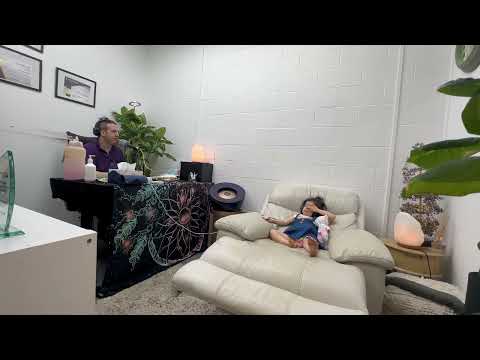
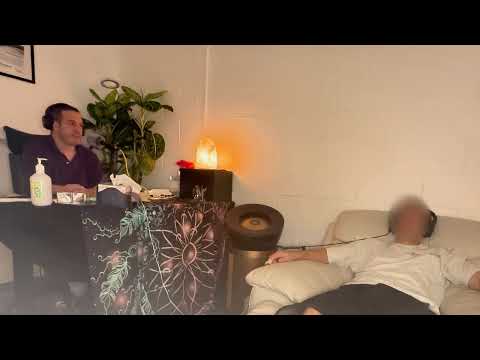
You Are Not Your Mind | Guided Meditation to Observe Thoughts & Find Calm
You Can Have a Thought Without Becoming the Thought
The mind produces thoughts all day: memories, worries, judgements, predictions, plans and questions. Some are useful. Some are repetitive. Some can feel so convincing that you forget there is a difference between having a thought and being defined by it.
This guided meditation is built around a simple idea: you are the one who can notice the thought. You do not have to become every anxious prediction, harsh judgement or old story that passes through your mind.
The title “You Are Not Your Mind” is a mindfulness phrase, not an instruction to disconnect from your body, feelings or reality. It means you can recognise thoughts as mental events and still choose where you place your attention next.
The Observer Practice
When a difficult thought appears, you do not need to prove it wrong, solve it immediately or push it away. You can practise three quiet steps:
Notice it. “A worried thought is here.”
Name it gently. “My mind is predicting, judging or replaying.”
Return. Bring attention back to your breathing, body, sounds around you or the task in front of you.
The goal is not a perfectly empty mind. A mind that wanders is normal. Each time you notice that your attention has been captured and choose to return, you are practising a little more freedom in how you respond.
Thoughts Are Not Orders, Facts or Your Identity
Your mind may say, “I cannot handle this,” “Everyone is judging me,” “Something will go wrong,” or “I have to work this out now.” A thought can feel urgent without automatically being a command you must follow.
This meditation may help you create a small pause between the thought and your reaction. That pause can make it easier to respond with more clarity, patience and self-respect.
It is not about ignoring real problems. It is about giving yourself enough space to decide what deserves your attention and what can be allowed to pass for now.
What This Guided Meditation May Support
People may use this recording as complementary support while working towards:
observing repetitive thoughts with less urgency;
becoming less caught in worry, rumination and self-criticism;
returning to the present after mental replay or prediction;
responding to stress with a little more calm and perspective;
noticing thoughts without automatically analysing or obeying them;
building a regular mindfulness practice; and
developing a gentler inner voice.
Everyone’s response is different. This recording cannot guarantee that thoughts will stop, that anxiety will disappear or that a particular result will occur.
Be Present Without Fighting Your Mind
You do not need to win an argument with every thought. If your mind becomes busy, simply notice that it is busy. If you become caught in a story, notice that too. Then come back to this moment: the support beneath you, the sound around you, the movement of your breath or one simple thing you can see.
For a meditation specifically about creating distance from repetitive “what if” thinking, explore [Detach From Overthinking Hypnosis Meditation](/videos/v/detach-from-overthinking-hypnosis-meditation-brisbane). For a broader practice of observing thoughts without attachment, see [Observe Thoughts Without Attachment Hypnosis](/videos/v/observe-thoughts-without-attachment-hypnosis-brisbane).
Listen Safely and Gently
Listen only while you are sitting or lying down somewhere safe and do not need to remain fully alert. Do not listen while driving, cycling, operating machinery, working, supervising children or doing anything that needs your full attention.
If a meditation makes you feel more distressed, panicked or disconnected, stop the recording, orient yourself to your surroundings and seek support from a GP, psychologist, psychiatrist or another appropriate health professional. If intrusive thoughts, anxiety, panic, low mood or sleep problems are severe, persistent or affecting everyday life, seek professional support rather than relying on a recording alone.
Related Meditations
[Observe Thoughts Without Attachment Hypnosis](/videos/v/observe-thoughts-without-attachment-hypnosis-brisbane)
[Detach From Overthinking Hypnosis Meditation](/videos/v/detach-from-overthinking-hypnosis-meditation-brisbane)
[Present Moment Deep Hypnosis](/videos/v/present-moment-deep-hypnosis-brisbane)
[Quiet Your Mind Hypnosis](/videos/v/quiet-your-mind-hypnosis-brisbane)
[Mindfulness Hypnotherapy Brisbane](/mindfulness)
[Browse all hypnosis meditations](/videos/hypnosis-meditations)
Personal Support for Overthinking and Anxiety in Brisbane
Free recordings can be a useful way to practise between sessions. If racing thoughts, anxiety, self-criticism, panic or a long-standing pattern of overthinking is affecting your daily life, one-to-one support can be tailored to your goals and pace.
Clive Westwood offers private hypnotherapy in Red Hill, Brisbane, with online appointments available where suitable.
Use your usual Book a Hypnotherapy Session button here.
Frequently Asked Questions
Does this meditation stop thoughts completely?
No. Thoughts are a normal part of being human. This recording may help you practise a different relationship with thoughts—notice them, give them less automatic authority and return attention to the present.
Does “You Are Not Your Mind” mean I should ignore real problems?
No. It means you do not have to react immediately to every thought. The aim is to create enough calm and perspective to decide what action is useful.
Is this the same as feeling disconnected from reality?
No. The aim is grounded awareness: noticing thoughts while staying connected to your breathing, body and surroundings. If meditation makes you feel detached, distressed or disoriented, stop and speak with an appropriate health professional.
Can I use this for intrusive thoughts or severe anxiety?
It may be used as complementary relaxation support, but distressing, persistent or intrusive thoughts can need individual medical or psychological support. Speak with a GP, psychologist or psychiatrist if they are affecting your wellbeing or daily life.
Individual experiences vary. This video is an educational, complementary wellbeing resource and is not a substitute for medical, psychological, psychiatric or emergency care.